

Role of Pneumatic Conveying in Diatomite Transport
For industrial applications, the efficient and reliable transport of diatomite, a natural sedimentary rock composed of fossilized diatoms, is crucial. Pneumatic conveying systems have emerged as a preferred method for handling diatomite due to their ability to transport bulk materials over long distances with minimal maintenance and environmental impact. This article explores the role of pneumatic conveying in the diatomite transport process, highlighting its benefits and the expertise of Shandong HeadPowder Engineering Co., Ltd. in implementing such systems.
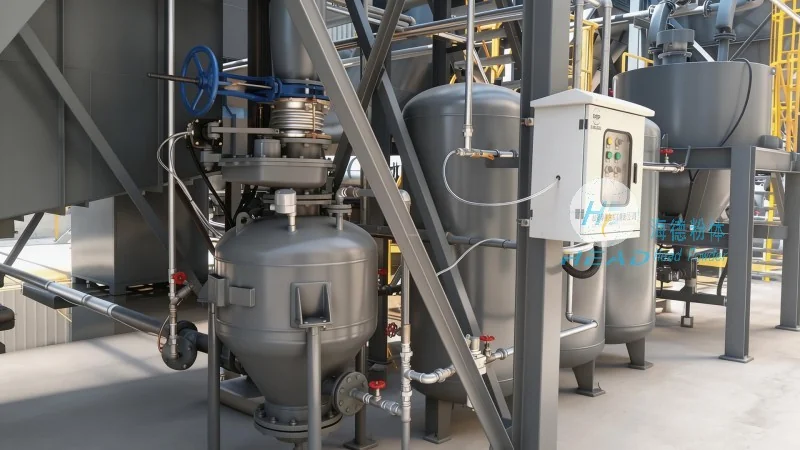
Understanding Diatomite and Its Handling Challenges
Diatomite, also known as kieselguhr, is a lightweight, porous material with high surface area and excellent filtration properties. These characteristics make it valuable in various industries, including filtration, catalysis, and as a filler in paints and plastics. However, its fine particle size and low bulk density present challenges during handling and transportation. Traditional methods like belt conveyors or bucket elevators may suffer from material degradation, high energy consumption, and increased dust generation. Pneumatic conveying addresses these challenges by using air to move diatomite particles through a pipeline, offering a more controlled and efficient solution.
The Advantages of Pneumatic Conveying for Diatomite
Pneumatic conveying systems offer several advantages when transporting diatomite. Firstly, they provide a dust-free environment, which is essential for maintaining product quality and ensuring workplace safety. Unlike mechanical systems that can generate significant dust, pneumatic conveying keeps the material contained within the pipeline, reducing the risk of contamination and health hazards. Secondly, these systems are highly flexible, allowing for changes in the transport route without major infrastructure modifications. This adaptability is particularly beneficial in industrial settings where production layouts may evolve over time. Thirdly, pneumatic conveying minimizes material degradation by reducing impact and friction during transport. Diatomite particles are gently conveyed through the system, preserving their structural integrity and performance characteristics. Additionally, the energy efficiency of modern pneumatic conveying systems makes them a cost-effective solution for long-distance diatomite transport, especially when compared to other bulk material handling methods.
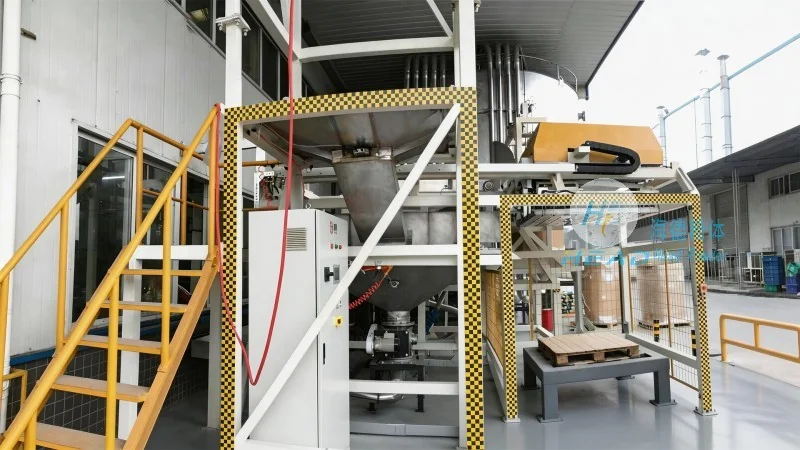
Shandong HeadPowder Engineering Co., Ltd.: Expertise in Pneumatic Conveying Solutions
Shandong HeadPowder Engineering Co., Ltd., operating under the brand name headpowder, specializes in the design, manufacturing, and installation of pneumatic conveying systems tailored to the unique needs of diatomite handling. With a focus on innovation and customer satisfaction, the company has developed advanced systems that optimize diatomite transport efficiency while ensuring compliance with industry standards. The company’s team of engineers and technicians possesses extensive experience in material handling, particularly with fine and abrasive materials like diatomite. They work closely with clients to assess their specific requirements, from raw material storage to final product delivery, and design customized pneumatic conveying solutions that maximize throughput and minimize operational costs.
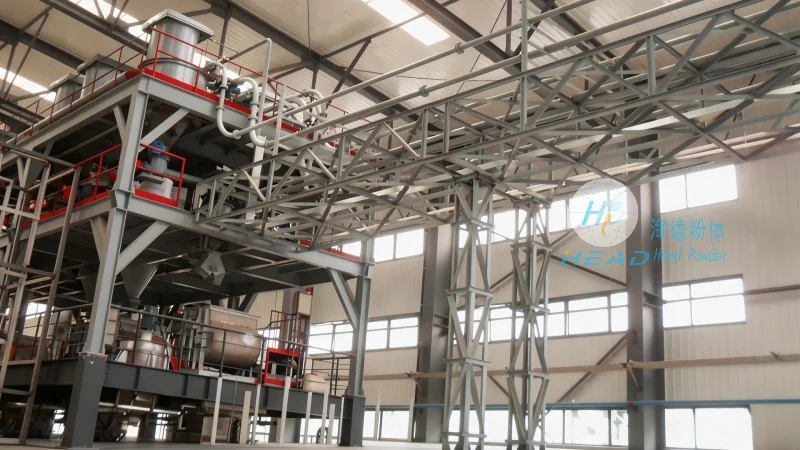
Key Components of a Pneumatic Conveying System for Diatomite
A typical pneumatic conveying system for diatomite consists of several key components that work in tandem to ensure smooth operation. The primary components include a hopper or silo for material storage, a feeder to control the flow rate of diatomite into the system, a conveying line (usually made of stainless steel or other corrosion-resistant materials to withstand the abrasive nature of diatomite), and a receiver or discharge point where the material is deposited. The system may also include a blower or compressor to generate the necessary air pressure, a filter to remove any residual dust from the exhaust air, and a control panel to monitor and regulate the system's performance. Each component is carefully selected and configured to handle the specific characteristics of diatomite, ensuring optimal performance and longevity of the system.
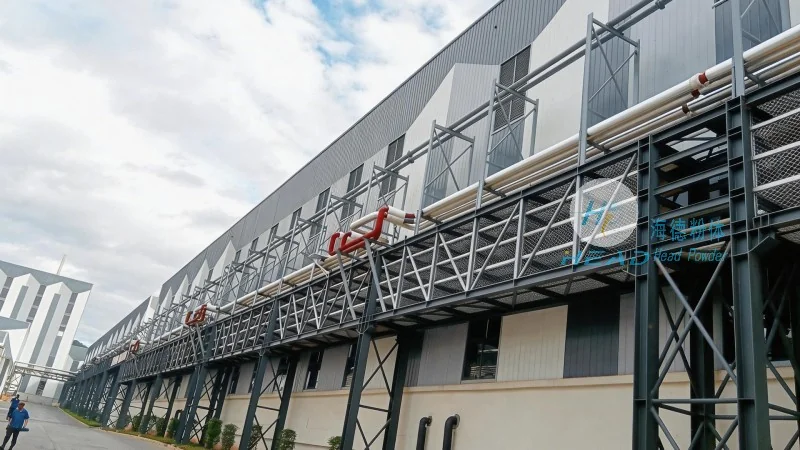
Applications and Industries Benefiting from Pneumatic Conveying
The benefits of pneumatic conveying in diatomite transport extend to various industries that rely on diatomite as a raw material. In the filtration industry, diatomite is used to produce filter media for water treatment and industrial filtration processes. Pneumatic conveying ensures that the filter media is delivered to the production line in a clean and consistent manner, maintaining the quality of the final product. In the catalysis industry, diatomite is used as a support material for catalysts, and efficient transport is crucial for maintaining the catalyst's activity and stability. Additionally, in the construction and manufacturing sectors, diatomite is used as a filler in paints, coatings, and plastics, and pneumatic conveying helps in the seamless integration of this material into production processes. The versatility of pneumatic conveying systems makes them suitable for a wide range of applications, from small-scale laboratory use to large-scale industrial production.
Conclusion: The Future of Diatomite Transport with Pneumatic Conveying
In conclusion, pneumatic conveying plays a vital role in the efficient and sustainable transport of diatomite. By leveraging the power of air to move fine particles, these systems offer significant advantages over traditional handling methods, including improved product quality, reduced environmental impact, and enhanced operational flexibility. Shandong HeadPowder Engineering Co., Ltd. continues to lead in the development of advanced pneumatic conveying solutions for diatomite, providing industries with reliable and cost-effective systems that meet their evolving needs. As the demand for diatomite in various applications grows, the role of pneumatic conveying in its transport will only become more critical, ensuring that this valuable material is handled with the precision and care it deserves.