

Main Air-Pneumatic Conveying Structures for Sintered Dust and Fly Ash
Efficient handling of sintered dust and fly ash is a critical aspect of modern industrial processes, particularly in the steel and metallurgical sectors. The proper selection of air-pneumatic conveying systems is essential to ensure safe, reliable, and cost-effective material transport. This article explores the primary air-pneumatic conveying structures used for sintered dust and fly ash, providing insights into their design, functionality, and applications.
Introduction to Air-Pneumatic Conveying Systems
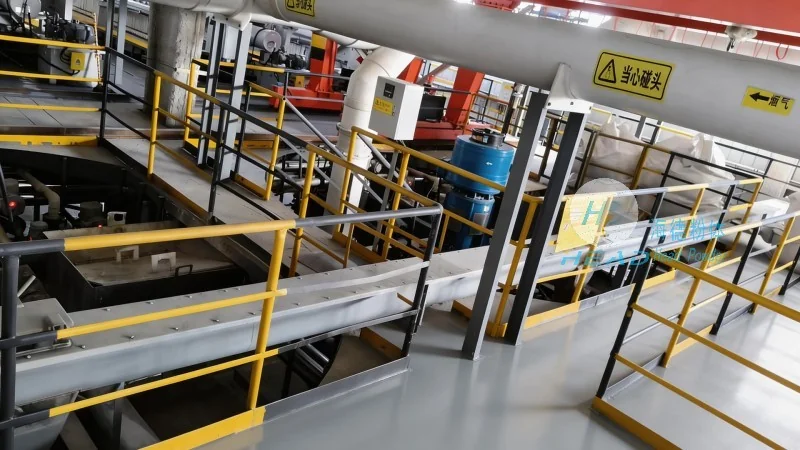
Air-pneumatic conveying systems utilize compressed air or vacuum to transport bulk materials, such as sintered dust and fly ash, over long distances. These systems are widely preferred due to their ability to handle fine powders without the need for mechanical components like belts or buckets. The choice of system depends on factors like material properties, distance, capacity, and environmental considerations. Understanding the main structures is vital for optimizing material handling in industrial settings.
Key Air-Pneumatic Conveying Structures for Sintered Dust and Fly Ash
Several air-pneumatic conveying structures are commonly employed in the processing of sintered dust and fly ash. Each structure has distinct characteristics that make it suitable for specific applications. The primary structures include:
1. Positive Pressure Air-Pneumatic Conveying System
The positive pressure system operates by blowing compressed air into the conveying line, creating a pressure higher than the ambient air. This method is effective for transporting materials over moderate distances and is suitable for sintered dust and fly ash with low to moderate moisture content. The system typically consists of a blower, a hopper, and a series of pipes with in-line mixers or cyclones. The positive pressure helps maintain material flow and prevents dust leakage. However, it may require more energy compared to other systems and can be less efficient for long-distance transport.
2. Negative Pressure (Vacuum) Air-Pneumatic Conveying System
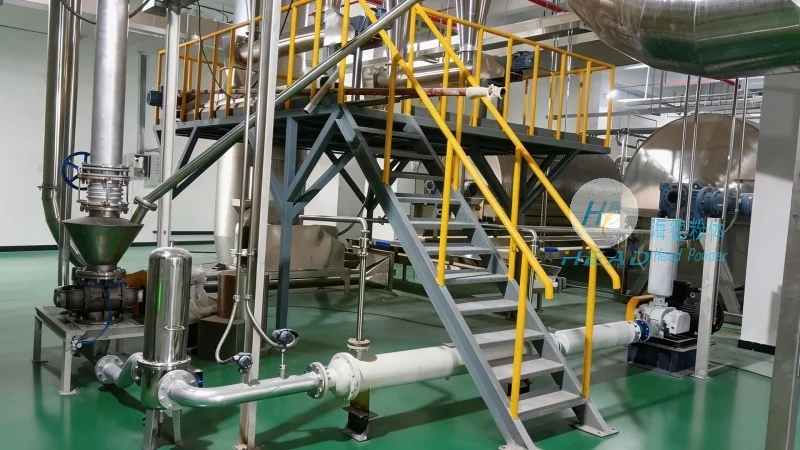
Conversely, the negative pressure system uses a vacuum to draw material from the source into the conveying line. This approach is ideal for applications where the material needs to be collected from multiple points or over longer distances. The system includes a vacuum pump, a collection hopper, and a series of pipes with in-line filters or cyclones. Negative pressure systems are particularly useful for handling fine powders that are prone to dusting and for applications requiring dust collection at the source. They are generally more energy-efficient for long-distance transport but may have limitations with high moisture content materials.
3. Mixed Pressure (Combined) Air-Pneumatic Conveying System
A hybrid system that combines both positive and negative pressure principles. This structure is designed to offer flexibility in material transport, allowing for both loading and unloading at different points. The mixed pressure system uses a combination of blowers and vacuum pumps to control the flow direction and pressure levels. It is suitable for complex conveying routes, such as those involving multiple source and destination points. The system can handle a wide range of material properties, including sintered dust and fly ash with varying moisture levels and particle sizes. However, it may be more complex to install and maintain compared to single-pressure systems.
4. Pneumatic Conveying with Cyclone Separators
Cyclone separators are integral components in many air-pneumatic conveying systems, particularly for sintered dust and fly ash. These devices use centrifugal force to separate the conveyed material from the air stream. The cyclone separator consists of a cylindrical housing with a conical bottom, where the material is deposited, and an outlet for the cleaned air. In the context of sintered dust and fly ash, cyclones are used to recover the material from the air stream, reducing dust emissions and improving overall system efficiency. They are often integrated into the conveying line to maintain a consistent material flow and prevent clogging. The effectiveness of cyclone separators depends on the design parameters, such as the inlet velocity and the diameter of the cyclone.
5. Pneumatic Conveying with Inline Mixers and Agitators
Inline mixers and agitators are used to enhance the flow characteristics of sintered dust and fly ash in air-pneumatic conveying systems. These devices are typically installed in the conveying line to prevent material settling or caking, especially when dealing with materials that have high moisture content or are prone to agglomeration. The mixers work by creating turbulence in the air stream, ensuring that the material is evenly distributed and transported. They are particularly useful in systems with long horizontal runs or when transporting materials over elevated heights. The use of inline mixers can improve the system's capacity and reduce the risk of blockages, leading to more reliable operation.
6. Pneumatic Conveying with Diverter Valves and Control Systems
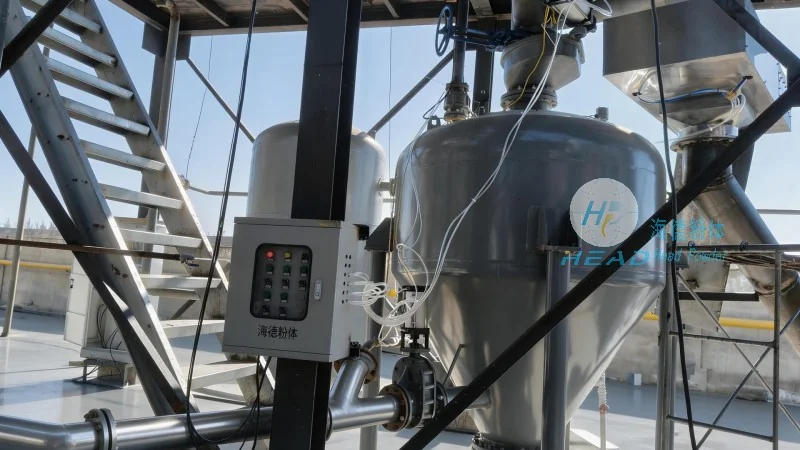
Diverter valves and control systems are essential for managing the flow of sintered dust and fly ash in air-pneumatic conveying structures. Diverter valves allow for the redirection of material to different destinations, enabling flexibility in the conveying route. They are typically equipped with sensors and control mechanisms to monitor the flow rate and pressure, ensuring optimal operation. Control systems may include programmable logic controllers (PLCs) that automate the operation of the conveying system, adjusting the blower speed or vacuum level based on real-time conditions. This integration enhances the efficiency and safety of the system, reducing downtime and maintenance costs.
Applications and Considerations
The choice of air-pneumatic conveying structure for sintered dust and fly ash depends on several factors, including the distance between the source and destination, the material's properties (such as moisture content, particle size, and density), and the required capacity. Positive pressure systems are often preferred for short to medium distances and materials with low moisture content, while negative pressure systems are more suitable for longer distances and fine powders. The mixed pressure system offers a compromise, providing flexibility for complex routes. Additionally, the integration of cyclone separators and inline mixers can improve system performance and reliability.
HeadPowder Engineering: Expertise in Air-Pneumatic Conveying Solutions
Shandong HeadPowder Engineering Co., Ltd. specializes in providing comprehensive air-pneumatic conveying solutions tailored to the specific needs of industrial clients. With a focus on sintered dust and fly ash handling, HeadPowder offers customized designs that incorporate the most suitable air-pneumatic structures. The company's expertise lies in optimizing material transport efficiency, ensuring compliance with environmental regulations, and minimizing operational costs. HeadPowder's team of engineers works closely with clients to assess their material handling requirements, select the appropriate system, and provide installation and maintenance support. By leveraging advanced technology and industry best practices, HeadPowder delivers reliable and efficient air-pneumatic conveying systems that meet the highest standards of performance and safety.