

What is a Hydrated Lime Pneumatic Conveying Equipment? Introduction to the Structure and Principle o
Hydrated lime, also known as calcium hydroxide, is a widely used chemical in various industrial applications. The efficient and reliable transportation of this powder material is crucial for many processes. This article will explore the concept of a hydrated lime pneumatic conveying equipment, detailing its structure and operational principles. The information is provided by Shandong HeadPowder Engineering Co., Ltd., a company based in Shandong, China, specializing in powder handling solutions.
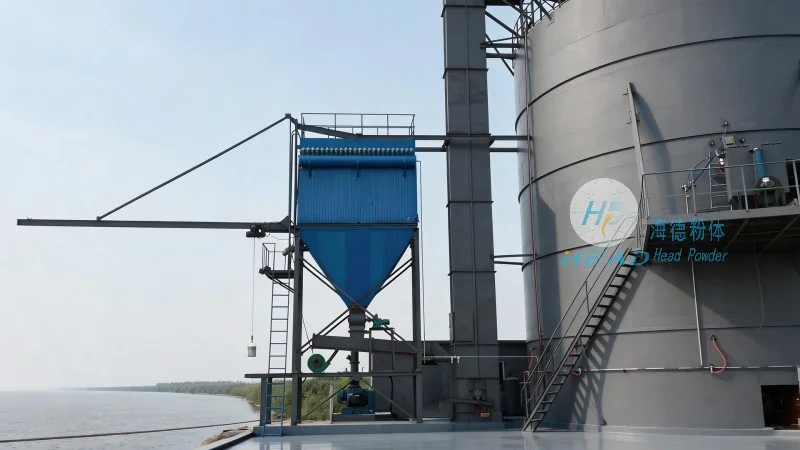
Understanding Hydrated Lime Pneumatic Conveying Equipment
A hydrated lime pneumatic conveying system is a device designed to transport dry powder materials, such as hydrated lime, through a pipeline using compressed air or other gas. This method offers several advantages over traditional mechanical conveying systems, including reduced material degradation, lower maintenance requirements, and the ability to handle materials that are difficult to transport via conventional means. The equipment is particularly suitable for applications where dust control, hygiene, and flexibility are essential.
Key Components of the Pneumatic Conveying System
The structure of a typical hydrated lime pneumatic conveying equipment consists of several key components that work together to ensure efficient material transport. These components include:
1. Feeder: The feeder is responsible for feeding the hydrated lime powder into the conveying line. It ensures a consistent and controlled flow of material, preventing blockages and maintaining system efficiency. The design of the feeder, such as a rotary valve or a screw feeder, is critical to the smooth operation of the system.
2. Conveying Pipe: The conveying pipe is the main component that transports the powder material. It is typically made of materials like stainless steel or plastic, chosen for their resistance to corrosion and wear. The pipe is usually arranged in a loop or a straight line, depending on the layout of the facility and the distance the material needs to travel.
3. Compressor or Blower: The compressor or blower provides the necessary air pressure to move the powder through the pipe. The selection of the right type of compressor, whether it is a positive displacement blower or a centrifugal fan, depends on the specific requirements of the application, including the material's properties and the required conveying distance.
4. Separation and Collection System: At the end of the conveying line, a separation and collection system is used to remove the powder from the air stream. This system typically includes a cyclone separator or a bag filter, which separates the hydrated lime from the air and collects it in a storage bin or a silo.
5. Control System: The control system monitors and regulates the operation of the entire pneumatic conveying system. It includes sensors to measure pressure, flow rate, and material level, as well as control valves and actuators to adjust the system parameters as needed. This ensures that the system operates safely and efficiently.
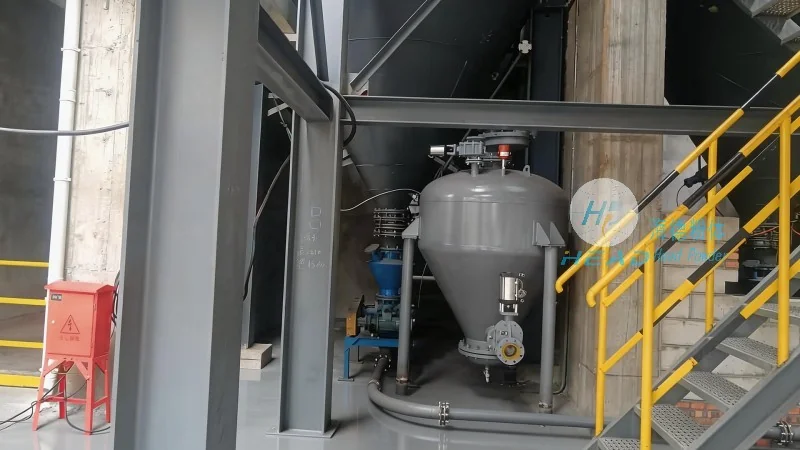
Operational Principle of the Pneumatic Conveying Process
The operation of a hydrated lime pneumatic conveying system follows a specific process to transport the powder material. The steps involved are as follows:
First, the hydrated lime powder is fed into the system from a storage bin or a hopper. The feeder then meters the material at a consistent rate into the conveying pipe. Simultaneously, the compressor or blower generates compressed air, which is introduced into the pipe at the inlet. The air flows through the pipe, carrying the powder particles along with it. The mixture of air and powder travels through the conveying pipe to the discharge point.
At the discharge point, the separation system begins to operate. The air and powder mixture enters the cyclone separator or bag filter, where the centrifugal force or the filtration action separates the powder from the air. The separated powder is collected in a storage bin or a silo, while the clean air is discharged to the atmosphere or recirculated back into the system.
The control system continuously monitors the pressure and flow rate in the pipe. If the pressure drops or the flow rate changes, the system adjusts the air supply or the feeder speed to maintain optimal operation. This ensures that the material is conveyed at a consistent rate and that the system operates efficiently and safely.
Advantages of Using Hydrated Lime Pneumatic Conveying Equipment
There are several advantages to using a hydrated lime pneumatic conveying system for material transport. These advantages include:
1. Reduced Material Degradation: Unlike mechanical conveying systems, which can cause abrasion and breakage of the powder particles, pneumatic conveying uses air to move the material, minimizing damage to the product.
2. Improved Hygiene and Dust Control: The enclosed system prevents dust from escaping into the environment, making it suitable for applications where hygiene is critical, such as in food processing or pharmaceutical industries.
3. Flexibility and Scalability: Pneumatic conveying systems can be easily expanded or modified to accommodate changes in production volume or layout. The system can handle varying material properties and conveying distances with minimal adjustments.
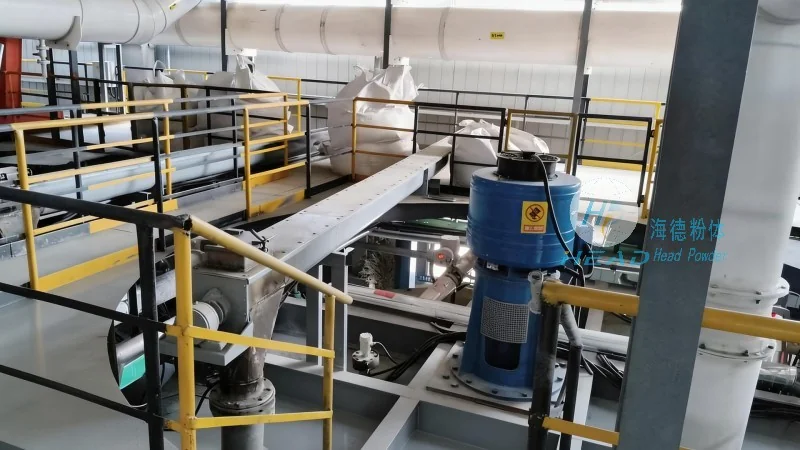
4. Lower Maintenance Requirements: Compared to mechanical systems, pneumatic conveying systems have fewer moving parts and are less prone to wear and tear, resulting in lower maintenance costs and longer service life.
Applications of Hydrated Lime Pneumatic Conveying Equipment
The hydrated lime pneumatic conveying equipment is widely used in various industries due to its versatility and efficiency. Some common applications include:
1. Construction Industry: Hydrated lime is used as a component in cement production and as a soil stabilizer. The pneumatic conveying system is used to transport the lime from storage to the production line or to the construction site.
2. Water Treatment: Hydrated lime is used in water treatment processes to adjust the pH level and remove impurities. The system is used to transport the lime to the treatment plant.
3. Food and Beverage Industry: In some food processing applications, hydrated lime is used as a food additive or a pH adjuster. The system ensures that the material is transported safely and hygienically.
4. Pharmaceutical Industry: Hydrated lime is used in some pharmaceutical formulations as a buffering agent. The system is used to transport the material to the production line while maintaining strict hygiene standards.
Conclusion
A hydrated lime pneumatic conveying equipment is a sophisticated system designed to efficiently transport dry powder materials like hydrated lime. The structure and operational principles of the system are carefully engineered to ensure reliable and safe material transport. By understanding the key components and the operational process, users can select and operate the system effectively for their specific applications. Shandong HeadPowder Engineering Co., Ltd., with its expertise in powder handling solutions, provides high-quality pneumatic conveying equipment tailored to meet the needs of various industries.