

What is a Fertilizer Pneumatic Conveying System? An Introduction to the Structure and Principle of P
For industries dealing with bulk powders, especially in the agricultural sector, efficient and reliable material handling is crucial. A key component in this process is the fertilizer pneumatic conveying system, which serves as a vital solution for transporting granular or powdered fertilizers. This article aims to provide a comprehensive overview of what a fertilizer pneumatic conveying system entails, delving into its structural design and operational principles. By understanding these aspects, users can appreciate the technology's role in enhancing productivity and safety in fertilizer handling operations.
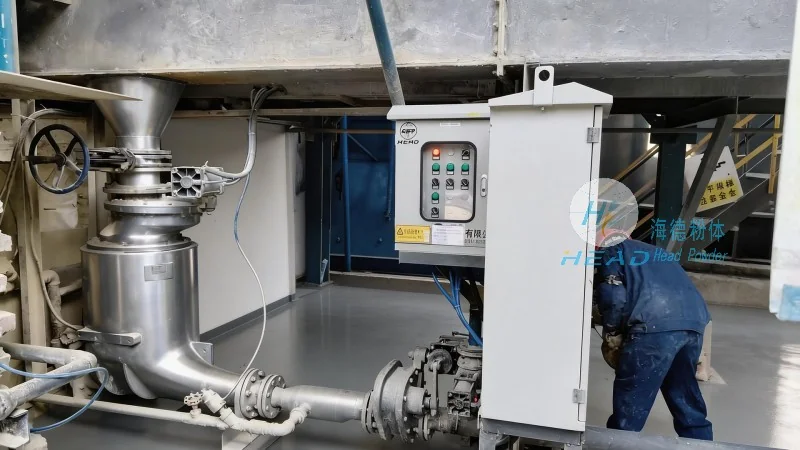
Understanding the Fertilizer Pneumatic Conveying System
A fertilizer pneumatic conveying system is a type of powder handling equipment designed to transport bulk solid materials, such as granular or powdered fertilizers, through a pipeline using air or gas as the conveying medium. Unlike traditional mechanical conveyors, this system relies on the force of air to move the material, making it particularly suitable for applications where dust control, flexibility, and low maintenance are essential. The system typically consists of several key components, including a hopper for material storage, a feeder to control the flow of material, a pipeline network, and a receiver to collect the conveyed material at the destination. The choice of conveying method—either pressure or vacuum—depends on the specific requirements of the application, such as the distance to be covered and the material characteristics.
Structural Components and Their Functions
The structure of a fertilizer pneumatic conveying system is engineered to ensure efficient and safe material transport. The primary components and their functions are as follows:
1. Hopper: The hopper is the initial storage unit where raw fertilizer is placed. It is designed to hold a large volume of material and is often equipped with a lid to prevent dust emissions. The hopper's design may vary, with some models featuring a conical shape to facilitate material flow and minimize blockages.
2. Feeder: The feeder is responsible for controlling the rate at which material is discharged from the hopper into the conveying line. Common types include rotary valves, star feeders, and screw feeders. The feeder's design ensures a consistent flow rate, which is critical for maintaining system efficiency and preventing overloading or underloading of the pipeline.
3. Pipeline: The pipeline is the main conduit through which the material and air travel. It is typically made of materials like stainless steel or PVC, chosen for their resistance to corrosion and durability. The pipeline may include bends, elbows, and expansion joints to accommodate changes in direction and prevent material buildup or pressure loss.
4. Conveying Unit: This component generates the air flow necessary for material transport. It can be a blower or a vacuum pump, depending on the system configuration. The conveying unit is responsible for creating the pressure or vacuum required to move the material through the pipeline. The power and capacity of the unit are determined by factors such as the material's density, the conveying distance, and the desired flow rate.
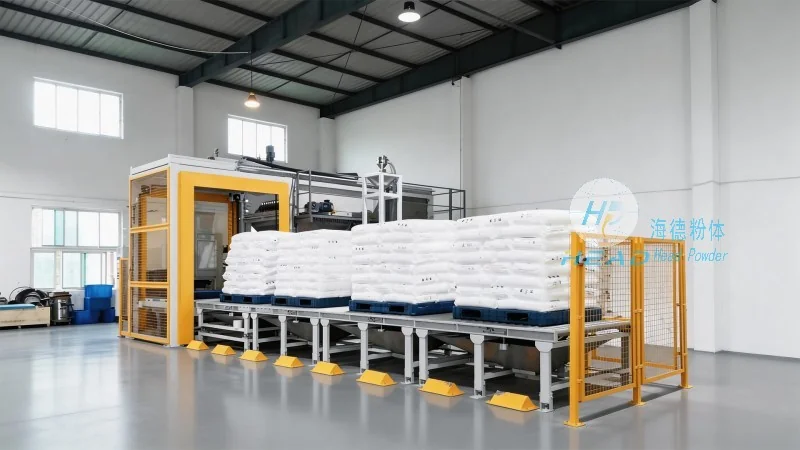
5. Receiver: The receiver is the final collection point where the conveyed fertilizer is deposited. It is designed to handle the material's arrival and may include a discharge valve or a hopper to store the received material. The receiver's design ensures that the material is contained and can be easily transferred to the next stage of processing or storage.
Principle of Operation
The operational principle of a fertilizer pneumatic conveying system is based on the interaction between the material and the air flow. In a pressure system, air is introduced into the hopper, creating a positive pressure that forces the material into the pipeline. The air and material then travel together through the pipeline to the receiver. In a vacuum system, a vacuum pump creates a negative pressure in the receiver, drawing the material from the hopper through the pipeline. The air flow rate is carefully controlled to ensure that the material is fully entrained and transported without clogging or degradation.
Advantages of Using Fertilizer Pneumatic Conveying Systems
Implementing a fertilizer pneumatic conveying system offers several advantages over traditional mechanical conveyors. These include:
1. Reduced Dust and Contamination: By using air as the conveying medium, the system minimizes dust generation and prevents cross-contamination between different materials. This is particularly important in the fertilizer industry, where product purity is critical.
2. Flexibility and Scalability: The system can be easily reconfigured or expanded to accommodate changes in production volume or material types. This flexibility allows for adaptability in various industrial settings.
3. Low Maintenance: Compared to mechanical conveyors, pneumatic systems require less maintenance as there are fewer moving parts and no direct contact between the material and the conveyor components.
4. Energy Efficiency: Modern pneumatic conveying systems are designed to be energy-efficient, using optimized air flow rates and components to minimize energy consumption while maintaining performance.
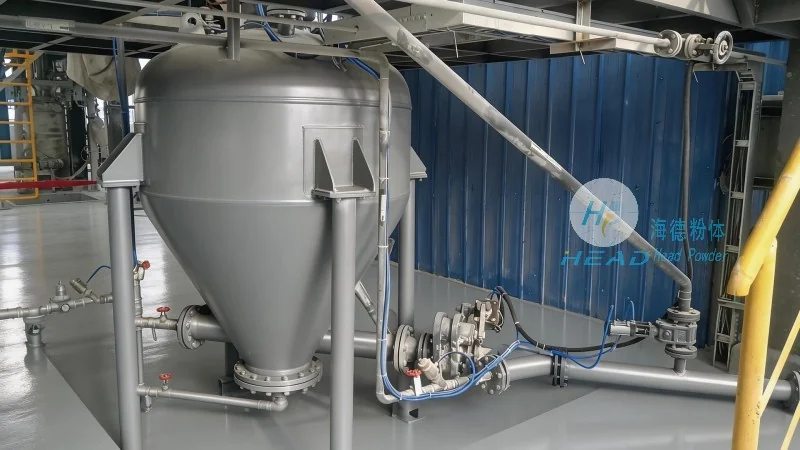
Applications in the Fertilizer Industry
Fertilizer pneumatic conveying systems are widely used in various stages of fertilizer production and handling. They are commonly employed in:
1. Raw Material Handling: Transporting raw materials such as urea, ammonium nitrate, or phosphate rock from storage silos to processing facilities.
2. Product Packaging: Moving finished fertilizers from production lines to packaging machines or storage silos.
3. Storage and Distribution: Conveying bulk fertilizers from production sites to distribution centers or shipping terminals.
4. Recycling and Reclaiming: Handling returned or rejected fertilizers for reprocessing or disposal.
About Shandong HeadPowder Engineering Co., Ltd.
Shandong HeadPowder Engineering Co., Ltd., commonly known as HeadPowder, is a leading manufacturer and supplier of powder handling equipment. With a strong focus on innovation and quality, the company specializes in designing and manufacturing fertilizer pneumatic conveying systems tailored to the specific needs of the agricultural and chemical industries. HeadPowder's products are engineered to meet international standards and are known for their durability, efficiency, and reliability. The company's headquarters is located in Shandong, China, where it leverages advanced technology and experienced engineering teams to deliver solutions that enhance productivity and safety in bulk material handling operations.