

Principle of Coal Powder Pneumatic Conveying System
Coal powder pneumatic conveying systems are essential in industrial applications where the efficient and safe transport of coal powder is required. These systems utilize air or gas as the conveying medium to move coal powder from one location to another, offering advantages such as reduced dust, improved safety, and increased operational flexibility compared to traditional mechanical conveying methods. The core principle involves creating a pressure differential or using vacuum to transport the powder through pipelines, making it a preferred choice in various industries including power generation, cement production, and chemical processing. Shandong HeadPowder Engineering Co., Ltd., a leading provider of such systems, specializes in designing and manufacturing customized solutions tailored to meet the unique needs of industrial clients.
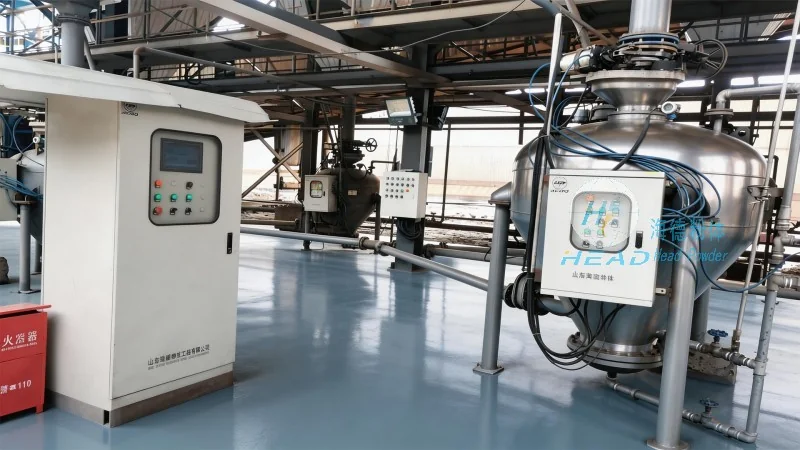
Key Components of a Coal Powder Pneumatic Conveying System
The effectiveness of a coal powder pneumatic conveying system relies on several critical components that work in tandem to ensure optimal performance. These components typically include a hopper or feeder for material storage and feeding, a blower or compressor to generate the necessary air flow, a pipeline network to transport the powder, and a receiver or discharge unit for material collection. Each component plays a vital role in maintaining the system's efficiency and reliability. For instance, the hopper is designed to prevent material bridging and ensure a consistent feed rate, while the blower provides the pressure or vacuum required for conveying. The pipeline system must be carefully designed to minimize pressure losses and prevent blockages, often incorporating features like bends, elbows, and filters to maintain system integrity. The receiver at the end of the pipeline collects the conveyed coal powder, ensuring it is delivered to the intended destination without loss or contamination.
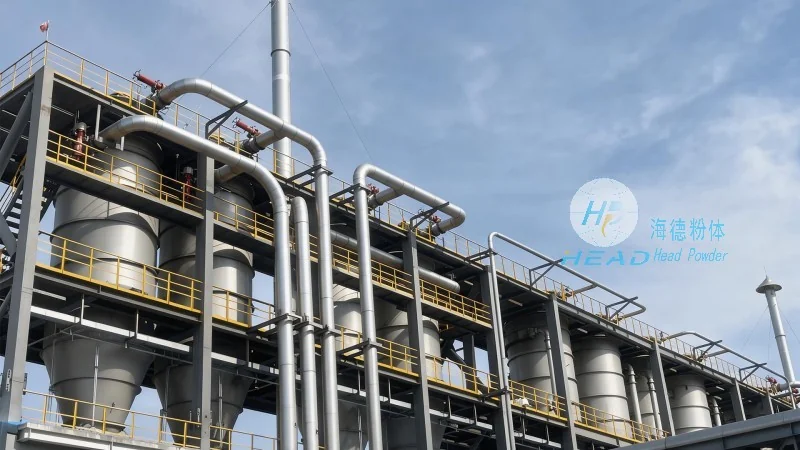
How Pneumatic Conveying Works: The Core Mechanism
The operation of a coal powder pneumatic conveying system is based on the principle of fluidization and suspension of the powder particles in the air stream. When air is introduced into the hopper or feeder, it creates a fluidized bed of coal powder, allowing individual particles to be entrained by the air flow. The air velocity is maintained at a level sufficient to keep the particles suspended, preventing them from settling or depositing in the pipeline. This suspension is achieved by balancing the air flow rate with the particle size and density of the coal powder. The system can operate in either positive pressure (pressure conveying) or negative pressure (vacuum conveying) modes, depending on the application requirements. Positive pressure systems use a blower to push air and powder through the pipeline, while negative pressure systems use a vacuum pump to draw the material. Both modes have their advantages, with positive pressure being suitable for long-distance or high-capacity conveying, and negative pressure for shorter distances or when the material needs to be transported from multiple sources.
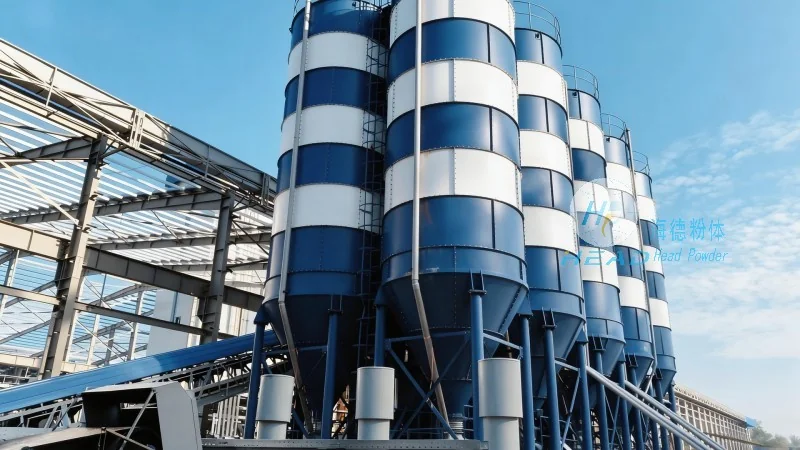
Advantages of Using Pneumatic Conveying for Coal Powder
Implementing a coal powder pneumatic conveying system offers numerous benefits that enhance operational efficiency and safety. One of the primary advantages is the reduction of dust generation, as the powder is contained within the pipeline and air stream, minimizing exposure to workers and the environment. This not only improves workplace safety but also reduces the need for dust control measures such as filtration and ventilation systems. Additionally, pneumatic conveying systems are more flexible in terms of layout and routing, allowing for complex pipe networks that can adapt to changing production needs or facility expansions. The systems also offer higher material handling capacities compared to mechanical conveyors, making them ideal for large-scale coal processing operations. Furthermore, the lack of moving parts in the pipeline (except for the blower or vacuum pump) reduces maintenance requirements and extends the system's operational life. These advantages make coal powder pneumatic conveying a cost-effective and reliable solution for industries that require consistent and efficient material transport.
Applications in Industrial Settings
Coal powder pneumatic conveying systems are widely used in various industrial applications where the transport of coal powder is critical to production processes. In power generation plants, these systems are used to deliver coal to boilers for combustion, ensuring a steady supply of fuel. In cement production, coal powder is conveyed to kilns for fueling, contributing to the high-temperature processes required for cement manufacturing. The chemical industry also utilizes pneumatic conveying for transporting coal-based raw materials to reactors and processing units. Each application benefits from the system's ability to handle fine powders without degradation, maintain consistent flow rates, and operate in harsh environments with minimal downtime. The adaptability of the system to different particle sizes and moisture content further enhances its suitability for diverse industrial needs.
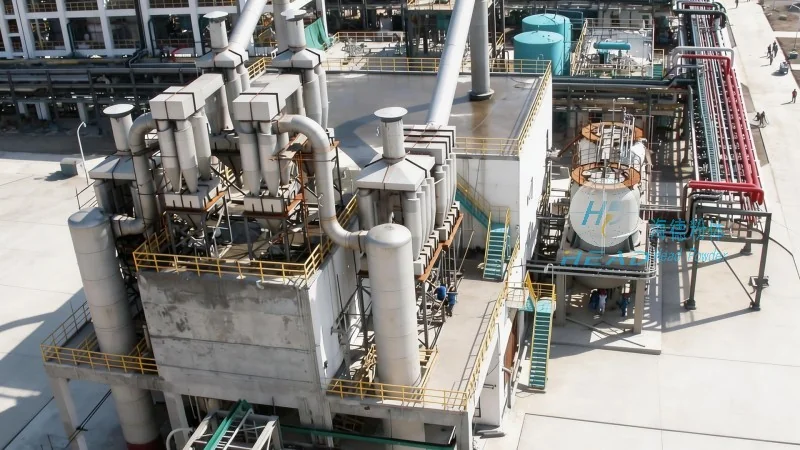
Customization and System Design Considerations
When designing a coal powder pneumatic conveying system, several factors must be considered to ensure optimal performance and longevity. The first consideration is the particle size and density of the coal powder, as these properties directly affect the air flow rate and system pressure requirements. Larger or denser particles may require higher air velocities and more powerful blowers to maintain suspension. The system layout, including the length and number of pipeline bends, also impacts pressure losses and overall efficiency. Engineers must calculate the pressure drop across each component to ensure the blower or vacuum pump can provide sufficient power. Additionally, material compatibility with the pipeline and components is crucial, as coal powder can be abrasive and corrosive, requiring materials like stainless steel or special coatings to prevent wear and degradation. The choice between positive and negative pressure modes depends on the specific application, with factors such as distance, number of transfer points, and material handling requirements guiding the decision. Shandong HeadPowder Engineering Co., Ltd. leverages its expertise in system design to provide clients with reliable and efficient solutions that meet industry standards and operational demands.