

Principle of Abrasive Powder Pneumatic Conveying Equipment
HeadPowder, a leading manufacturer based in Shandong, China, specializes in the design and production of pneumatic conveying systems tailored for abrasive powder handling. The abrasive powder pneumatic conveying equipment is a critical component in modern industrial processes, particularly in the wood finishing and metalworking sectors where fine abrasive powders are commonly used. This equipment efficiently transports abrasive materials from storage to processing units, ensuring a smooth and continuous workflow.
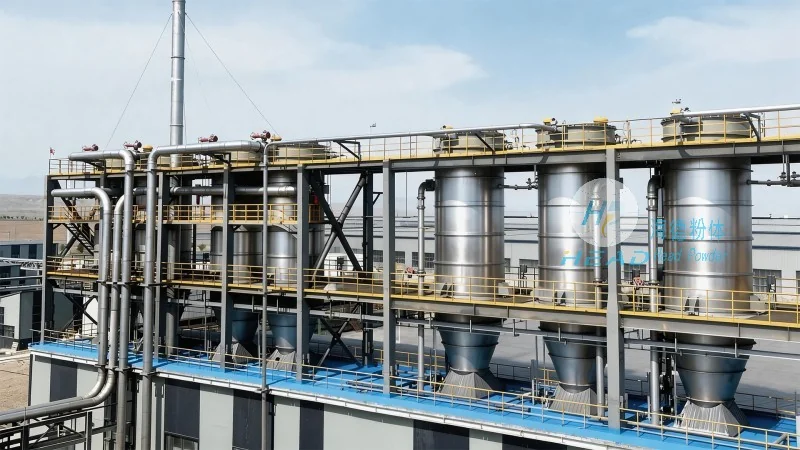
Working Principle of Pneumatic Conveying Systems
The core of the abrasive powder pneumatic conveying equipment lies in its pneumatic conveying mechanism. It utilizes compressed air to move abrasive powders through a pipeline system. The process typically involves a hopper where the abrasive powder is stored, a feeder that controls the material flow, and a pipeline network that transports the powder to the target location. The compressed air creates a pressure differential, drawing the powder particles into the pipeline and propelling them forward. This method eliminates the need for mechanical components like belts or screws, reducing maintenance and wear on the system.
Key Components and Their Functions
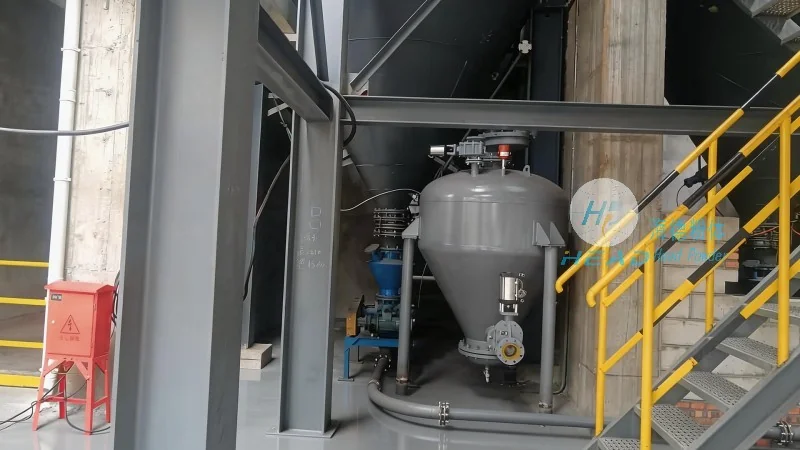
Several key components work in tandem to ensure the efficient operation of the abrasive powder pneumatic conveying equipment. The hopper serves as the storage vessel, providing a consistent supply of abrasive powder. The feeder, often a rotary valve or a screw feeder, regulates the flow rate of the powder into the pipeline, preventing blockages and maintaining a steady flow. The pipeline system, made of durable materials such as stainless steel or plastic, is designed to withstand the abrasive nature of the powder and the pressure from the compressed air. Additionally, the system may include filters and cyclones to separate any fine particles from the air, ensuring clean and efficient operation.
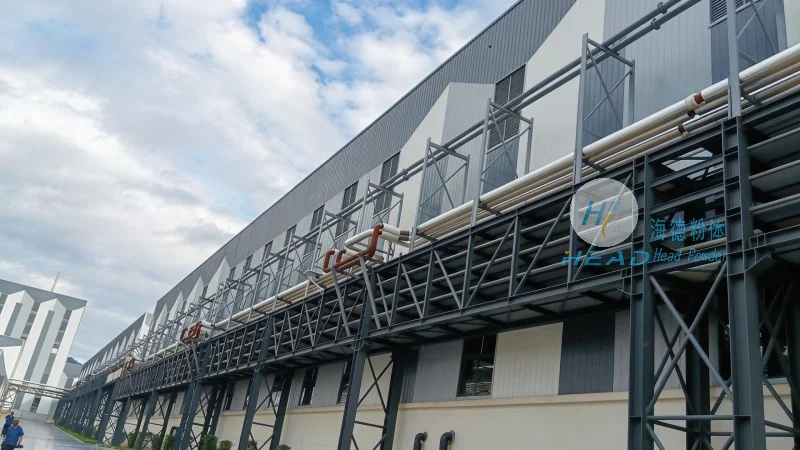
Advantages of Pneumatic Conveying for Abrasive Powders
Compared to traditional mechanical conveying methods, the abrasive powder pneumatic conveying equipment offers several advantages. Firstly, it provides a dust-free environment, which is crucial for maintaining a safe and healthy workplace. The enclosed system prevents the release of fine particles into the air, reducing the risk of respiratory issues among workers. Secondly, it offers high efficiency in material transport, with the ability to handle large volumes of abrasive powder over long distances. The system is also flexible, allowing for easy integration with existing production lines and modifications to accommodate different powder types or processing requirements. Furthermore, the reduced need for mechanical parts leads to lower maintenance costs and longer equipment lifespan.
Applications in Industrial Settings
The abrasive powder pneumatic conveying equipment is widely used in various industrial applications where fine abrasive powders are essential. In the wood finishing industry, it is used to transport sanding powders from storage to sanding machines, ensuring a consistent supply of material for surface finishing. In metalworking, it is employed to convey grinding powders to polishing and grinding equipment, enhancing the precision and quality of the finished products. The equipment is also utilized in the production of abrasive tools, where it helps in the transportation of raw abrasive materials to mixing and processing units. Its ability to handle abrasive and fine powders makes it a preferred choice in industries where material handling efficiency and safety are paramount.
Customization and Scalability
HeadPowder understands that each industrial application has unique requirements. Therefore, the abrasive powder pneumatic conveying equipment is designed to be customizable and scalable. The company offers tailored solutions based on the specific needs of the client, including different hopper sizes, feeder types, and pipeline configurations. This flexibility allows businesses to optimize their material handling processes, reducing downtime and increasing productivity. The equipment can be scaled from small-scale operations to large industrial plants, ensuring that it meets the demands of various production capacities. Additionally, the company provides technical support and maintenance services to ensure the long-term performance and reliability of the system.