

Principle of Calcium Dioxide (Insuring Powder) Pneumatic Conveying Equipment
Calcium Dioxide, commonly known as insuring powder, is a critical chemical in various industrial processes. The efficient and safe handling of this material is paramount, especially when it comes to its transportation from production sites to processing units. Pneumatic conveying equipment has emerged as a highly effective solution for this purpose, offering a reliable method to move calcium dioxide while maintaining its quality and integrity. This article delves into the fundamental principles behind the operation of such equipment, highlighting the technical aspects and practical applications that make it an indispensable tool in modern chemical handling. The equipment discussed here is typically designed and manufactured by Shandong HeadPowder Engineering Co., Ltd., a leading company based in Shandong, China, specializing in chemical engineering solutions for bulk material handling.
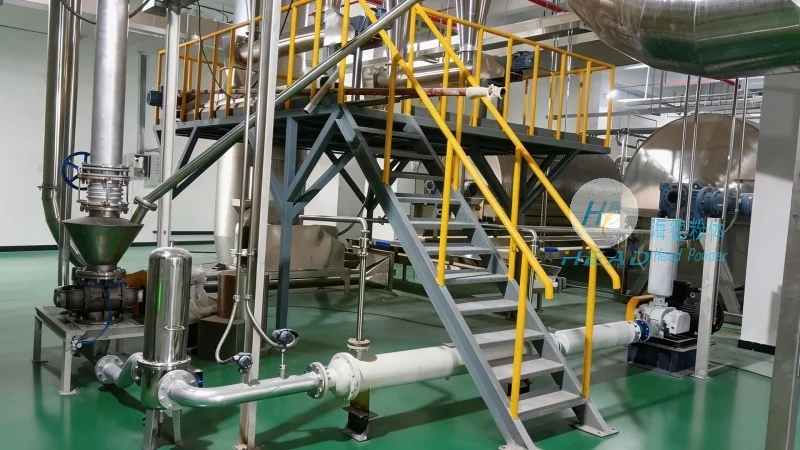
Introduction to Pneumatic Conveying Systems
Pneumatic conveying systems utilize air or other gases to transport bulk materials, such as powders and granules, through a pipeline. This method is particularly suitable for calcium dioxide due to its hygroscopic nature and the need to prevent contamination or degradation during transit. The core of these systems lies in the interaction between the material being conveyed and the air stream, which creates a flow that moves the material from the source to the destination. There are two primary types of pneumatic conveying: dilute-phase and dense-phase, each with distinct characteristics and applications.
Key Components of Pneumatic Conveying Equipment
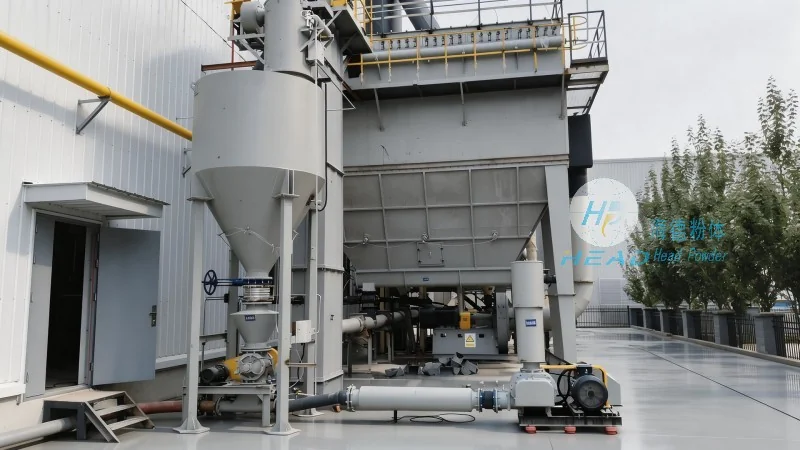
The effectiveness of a pneumatic conveying system for calcium dioxide depends on several key components that work in tandem. These include the material feed system, which ensures a consistent and controlled introduction of the powder into the pipeline; the air supply unit, which provides the necessary pressure and flow rate; the conveying line, which is typically made of materials resistant to chemical corrosion, such as stainless steel or specialized plastics; and the separation and collection equipment, which ensures the material is deposited accurately at the receiving end without loss or contamination.
Working Principle of Pneumatic Conveying for Calcium Dioxide
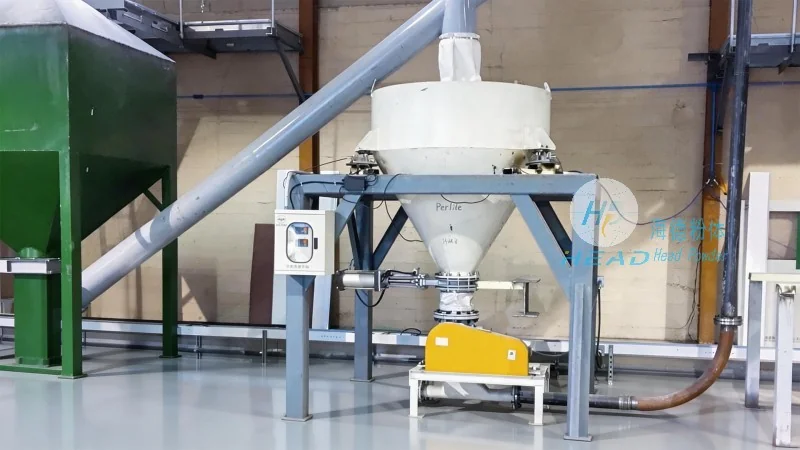
The operation of pneumatic conveying equipment for calcium dioxide involves a series of steps that ensure efficient material transport. Initially, the calcium dioxide powder is fed into the conveying line, often through a hopper or a rotary valve, which controls the flow rate. Simultaneously, a high-pressure air stream is introduced into the line, creating a flow that lifts and propels the powder particles. The air velocity is critical here; it must be sufficient to overcome the gravitational forces acting on the particles while maintaining a stable flow without causing excessive wear or degradation. The conveying line may include bends, expansions, or restrictions, which are designed to optimize the flow and minimize pressure losses. At the receiving end, the air and powder mixture is separated, typically through a cyclone or a filter, allowing the calcium dioxide to be collected in a storage bin or processing unit while the air is either recirculated or vented safely.
Advantages of Pneumatic Conveying for Calcium Dioxide Handling
Implementing pneumatic conveying equipment for calcium dioxide offers several advantages over traditional methods like bucket elevators or belt conveyors. Firstly, it provides a dust-free and enclosed system, which significantly reduces the risk of exposure to the material for operators and minimizes environmental contamination. Secondly, the process is highly flexible, allowing for changes in flow rate and direction without major modifications to the system. Thirdly, it can handle materials with varying properties, including those that are hygroscopic or prone to caking, by adjusting the air pressure and flow. Additionally, pneumatic conveying systems are generally more compact and can be integrated into existing production lines, making them a cost-effective solution for many industrial applications.
Application Examples in Industrial Settings
Pneumatic conveying equipment for calcium dioxide is widely used in various industrial sectors. In the chemical industry, it is commonly employed in the production of calcium dioxide-based products, such as bleaching agents and water treatment chemicals. The equipment is also utilized in the food and pharmaceutical industries, where the hygienic and dust-free nature of the system is crucial for maintaining product quality and safety standards. Furthermore, in the mining and mineral processing sectors, pneumatic conveying can be used to transport calcium dioxide from storage facilities to processing plants, ensuring a continuous and efficient supply chain.
Maintenance and Operational Considerations
To ensure the longevity and efficiency of pneumatic conveying equipment for calcium dioxide, regular maintenance is essential. This includes checking the air supply system for leaks or pressure drops, inspecting the conveying line for signs of wear or corrosion, and cleaning the separation equipment to prevent clogging. Operational considerations also involve monitoring the flow rate and pressure to maintain optimal performance, as well as adjusting the system parameters based on changes in material properties or production demands. Proper training of operators on the safe operation of the equipment is also critical to prevent accidents and ensure compliance with safety regulations.
Conclusion
Pneumatic conveying equipment plays a vital role in the efficient and safe handling of calcium dioxide, a key chemical in numerous industrial applications. By understanding the principles behind its operation and the components that contribute to its effectiveness, industries can optimize their material transport processes, reduce costs, and enhance overall productivity. As technology continues to advance, further improvements in pneumatic conveying systems are expected, making them an even more reliable and versatile solution for calcium dioxide handling in the future.