

Principle of Lysine Pneumatic Conveying Equipment
HeadPowder, a leading manufacturer based in Shandong, China, specializes in the design and production of advanced Lysine Pneumatic Conveying Equipment. This equipment is engineered to efficiently handle the transportation of Lysine, a critical amino acid widely used in animal feed and food supplements. The following article delves into the fundamental principles behind this technology, highlighting how it ensures reliable and efficient material handling in industrial settings.
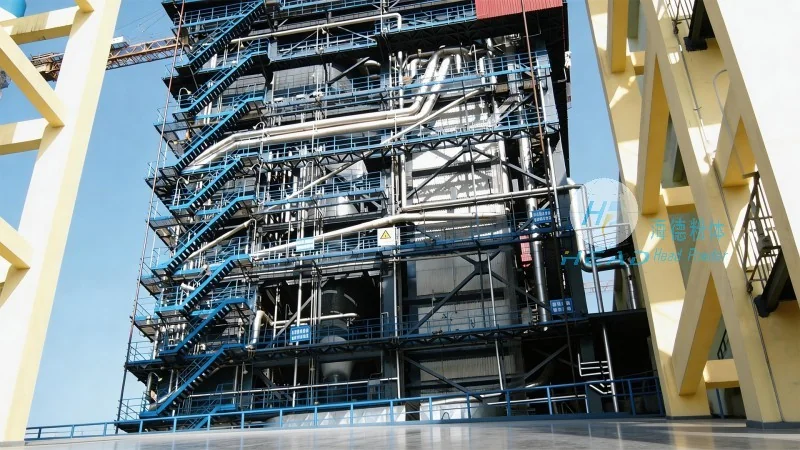
Understanding Pneumatic Conveying Technology
Pneumatic conveying is a method of transporting bulk materials through a pipeline using a stream of pressurized air or vacuum. In the context of Lysine, this technology offers a hygienic, dust-free, and energy-efficient solution for moving powdered or granular Lysine from storage silos to processing units or packaging lines. The core principle involves creating a pressure differential that propels the material along the pipeline, minimizing product degradation and ensuring consistent flow rates.
The Working Principle of Lysine Pneumatic Conveying Equipment
At its heart, the Lysine Pneumatic Conveying Equipment operates by combining a conveying pipeline with a blower or vacuum system. The system is typically divided into two main components: the material feed section and the discharge section. The process begins when Lysine is introduced into the feed hopper, where it is then drawn into the conveying line by the air flow generated by the blower. The air velocity within the pipeline is carefully controlled to maintain a stable suspension of the Lysine particles, preventing blockages and ensuring smooth transport. The equipment is designed to handle varying particle sizes and moisture content, making it versatile for different Lysine formulations.
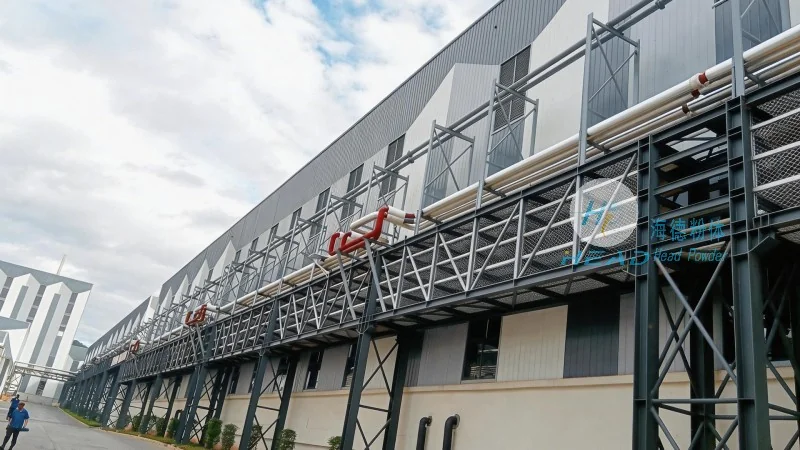
Key Advantages of Lysine Pneumatic Conveying Equipment
One of the primary benefits of this equipment is its ability to maintain product quality. By eliminating direct contact with external elements and reducing the risk of contamination, the system preserves the nutritional integrity of Lysine. Additionally, pneumatic conveying is highly efficient in terms of space utilization, as it allows for vertical or horizontal transport without the need for complex mechanical components like conveyor belts or elevators. This not only saves on installation costs but also reduces maintenance requirements, leading to lower operational expenses over time. The system also offers flexibility in terms of layout, enabling manufacturers to adapt the conveying network to their specific production needs without significant modifications.
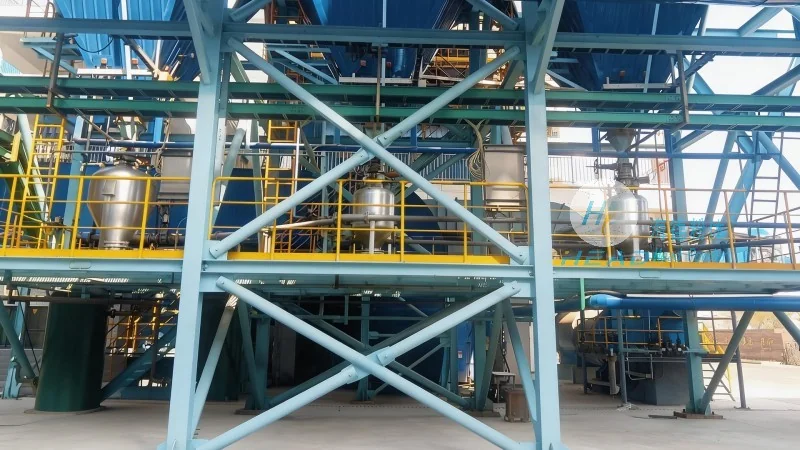
Application in Lysine Production and Processing
In Lysine production facilities, the pneumatic conveying equipment plays a crucial role in integrating various processing stages. From raw material storage to intermediate processing and final packaging, the equipment ensures a seamless flow of Lysine throughout the production line. For instance, after Lysine is produced through fermentation and crystallization, it is transferred from the crystallizer to the dryer using the pneumatic system. This step is critical as it prevents the material from being exposed to air, which could lead to oxidation or moisture absorption. The equipment also facilitates the transfer of Lysine from the dryer to the packaging line, where it is blended with other ingredients or packaged into final products. The consistent and reliable operation of the pneumatic conveying system directly impacts the overall productivity and quality of the Lysine production process.
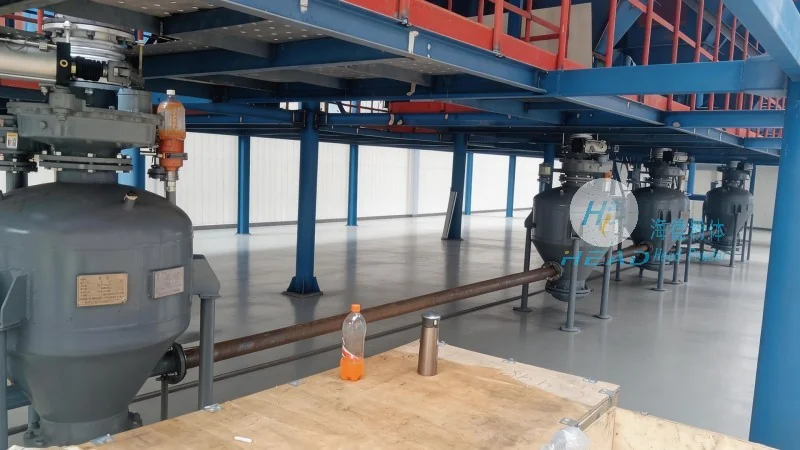
Technical Specifications and Customization Options
HeadPowder's Lysine Pneumatic Conveying Equipment is available in various configurations to meet the diverse requirements of different industrial applications. The equipment can be customized in terms of pipeline length, diameter, and material of construction, depending on the specific handling needs of the Lysine product. For example, stainless steel pipelines are commonly used to prevent corrosion and maintain hygiene, which is essential for food-grade Lysine. The blower or vacuum system can be selected based on the required air flow rate and pressure, ensuring optimal performance for different particle sizes and conveying distances. Additionally, the system can be equipped with monitoring and control devices to provide real-time data on flow rates, pressure, and material levels, enhancing operational efficiency and safety.
Conclusion
HeadPowder Engineering Co., Ltd., based in Shandong, China, provides advanced Lysine Pneumatic Conveying Equipment that leverages pneumatic conveying technology to efficiently and hygienically transport Lysine. By understanding the fundamental principles of this equipment, manufacturers can optimize their Lysine production processes, ensuring consistent quality and operational efficiency. The equipment's versatility, reliability, and cost-effectiveness make it an ideal solution for modern Lysine production facilities, supporting the growing demand for this essential amino acid in the animal feed and food industries.