

Principle of Zinc Calcine Pneumatic Conveying Equipment
Understanding the operational principles of zinc calcine pneumatic conveying equipment is crucial for optimizing material handling processes in industrial settings. This equipment is specifically designed to transport zinc calcine, a byproduct from the zinc smelting process, efficiently and safely. The core of its functionality lies in the use of air or gas to move the material through a pipeline system, eliminating the need for traditional mechanical conveyors like belts or buckets.
Key Components and Their Functions
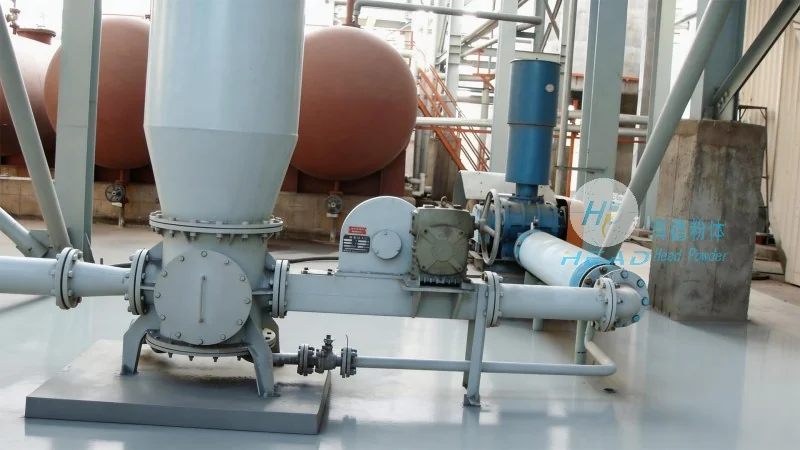
The zinc calcine pneumatic conveying system typically consists of several key components, each playing a vital role in the overall operation. The primary components include the material feed hopper, the air compressor or blower, the conveying pipeline, the separation or collection system, and the control unit. The feed hopper is responsible for storing and feeding the zinc calcine into the system. It is equipped with a valve to regulate the flow of material. The air compressor or blower generates the necessary pressure and airflow to move the material through the pipeline. The conveying pipeline is made of durable materials, such as stainless steel or plastic, to withstand the abrasive nature of zinc calcine and the pressure of the air flow. The separation or collection system is used to separate the conveying air from the material and collect the material at the destination. The control unit monitors and controls the operation of the system, ensuring it runs smoothly and efficiently.
Working Principle of Pneumatic Conveying
The working principle of zinc calcine pneumatic conveying equipment is based on the principle of fluidization and suspension. When air is introduced into the conveying pipeline at a sufficient velocity, it creates a fluidized bed of the zinc calcine particles. The particles are then suspended in the air stream and transported to the destination. The velocity of the air is critical; it must be high enough to keep the particles suspended but not so high as to cause excessive wear on the pipeline or equipment. The system can operate in either positive or negative pressure modes. In positive pressure mode, the air is pressurized and forced through the pipeline, pushing the material forward. In negative pressure mode, the air is drawn through the pipeline, creating a vacuum that pulls the material. The choice of mode depends on the application and the distance the material needs to be conveyed.
Advantages of Pneumatic Conveying for Zinc Calcine
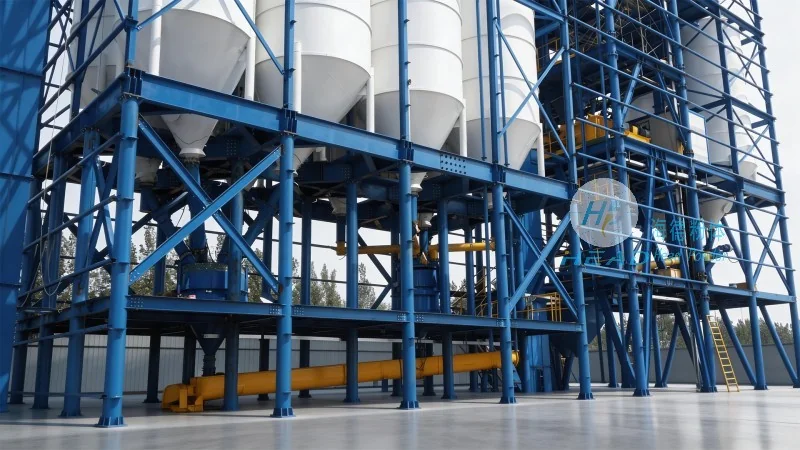
There are several advantages to using pneumatic conveying equipment for zinc calcine. First, it is a closed system, which helps to prevent dust and contamination from entering the environment. This is important for maintaining air quality and complying with environmental regulations. Second, it is a continuous process, which allows for high throughput and efficiency. Third, it is flexible in terms of layout, as the pipeline can be arranged in various configurations to suit the specific needs of the facility. Fourth, it is relatively low maintenance compared to traditional mechanical conveyors, as there are fewer moving parts. Finally, it is safe to operate, as there is no risk of material falling from a conveyor belt or bucket.
Applications in the Zinc Industry
Zinc calcine pneumatic conveying equipment is widely used in the zinc industry for various applications. One common application is the transportation of zinc calcine from the roasting furnace to the leaching or filtration stage. This is a critical step in the zinc production process, as the calcine must be moved efficiently to the next stage. Another application is the transportation of zinc calcine from the storage silo to the processing plant. This allows for the continuous operation of the plant, as the calcine can be fed to the processing equipment as needed. Additionally, the equipment is used in the transportation of zinc calcine from the processing plant to the storage facility, ensuring that the material is stored safely and efficiently.
Operational Considerations and Maintenance
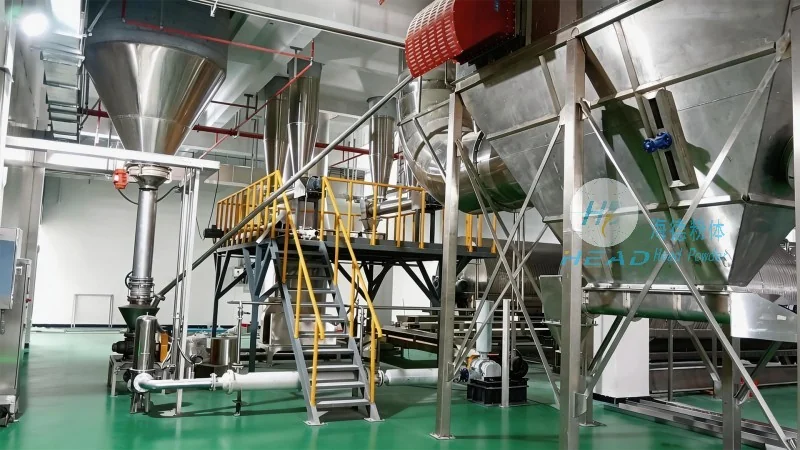
When operating zinc calcine pneumatic conveying equipment, several considerations must be taken into account to ensure optimal performance and longevity. First, the material must be properly prepared before being fed into the system. This includes removing any large debris or clumps that could cause blockages in the pipeline. Second, the air velocity must be monitored and adjusted as needed to maintain the proper flow of material. Third, the system must be regularly inspected for wear and tear, particularly on the pipeline and components that come into contact with the material. Fourth, the air compressor or blower must be maintained to ensure it operates efficiently and at the correct pressure. Finally, the control unit must be checked regularly to ensure it is functioning properly and that the system is operating within the desired parameters.
Conclusion
Zinc calcine pneumatic conveying equipment is an essential component in the zinc production process, providing an efficient and safe method for transporting zinc calcine. By understanding the principles and components of this equipment, operators can optimize its performance and ensure it operates reliably. The use of this equipment not only improves the efficiency of the zinc production process but also helps to maintain environmental standards and ensure the safety of the workers.