

Principles of Bentonite Pneumatic Conveying Equipment
Bentonite, a natural clay mineral recognized for its exceptional swelling and thixotropic characteristics, serves critical roles in industries such as drilling fluid formulation, foundry sand production, and environmental remediation. The efficient and safe transport of bentonite powder from storage to processing sites is vital for maintaining production efficiency and product consistency. Pneumatic conveying equipment provides an effective solution by utilizing air as the primary medium to move dry powders like bentonite through a sealed system, minimizing dust exposure and ensuring material integrity.
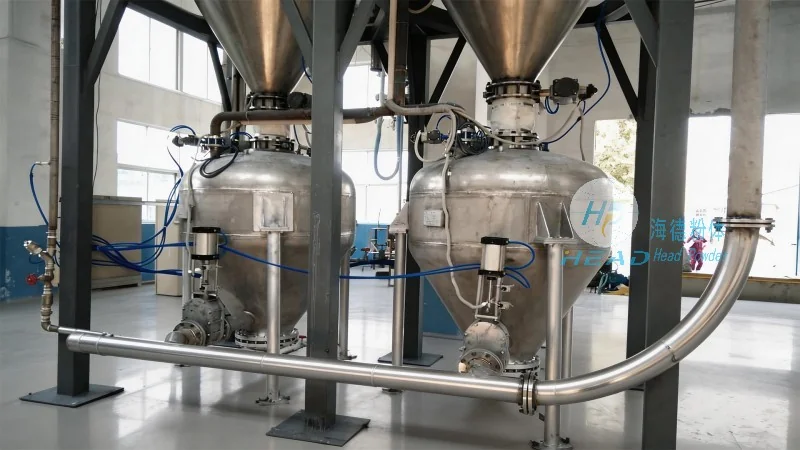
Working Principle of Bentonite Pneumatic Conveying Equipment
The fundamental operation of bentonite pneumatic conveying equipment revolves around creating a pressure differential within a closed pipeline network. The system typically comprises a feeding unit, a conveying pipeline, and a receiving hopper. Air is supplied under pressure to the feeding unit, which draws the bentonite powder into the pipeline. As the air flows at a sufficient velocity, it entrains the powder particles, forming a suspension that is transported to the destination. The process can be categorized as either pressure-based or vacuum-based, depending on the application requirements and system design. Pressure systems utilize positive pressure to push material through the pipeline, while vacuum systems employ negative pressure to pull material from the source, offering flexibility for different operational scenarios.
Key Components and Their Functions
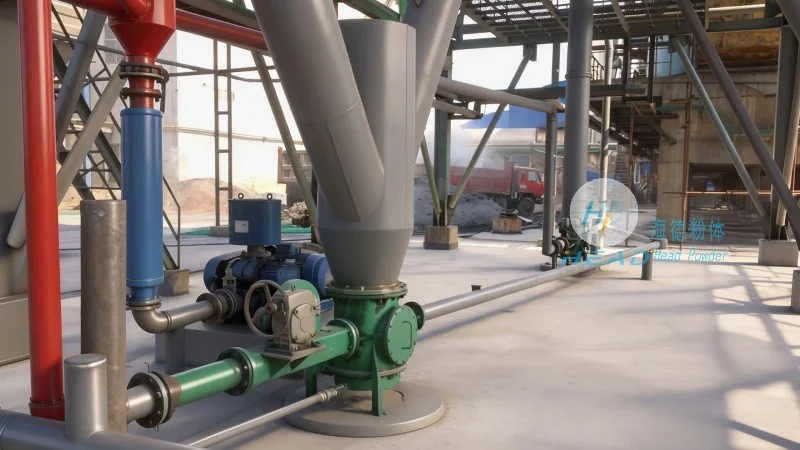
Several critical components collaborate to ensure the smooth operation of bentonite pneumatic conveying equipment. The feed hopper or feeder is responsible for storing and metering the bentonite powder, maintaining a consistent flow rate. The air compressor or blower generates the necessary air pressure to move the material. The conveying pipeline is constructed from materials resistant to the abrasive nature of bentonite, such as stainless steel or high-density polyethylene, to prevent wear and corrosion. The separation and collection system includes cyclones or filters that separate the air from the powder at the receiving end, allowing the bentonite to be deposited into the target container. Additionally, valves and controls regulate the flow of air and material, ensuring precise operation and preventing system backflow. Each component is designed to work in harmony, optimizing the overall efficiency and reliability of the conveying process.
Advantages of Using Bentonite Pneumatic Conveying Equipment
Implementing pneumatic conveying for bentonite offers several advantages over traditional material handling methods like bucket elevators or belt conveyors. Firstly, it provides a seamless and dust-free transfer, reducing product contamination risks and enhancing workplace safety. Secondly, the system is compact and space-saving, eliminating the need for large storage silos or elevated structures, which is particularly beneficial in limited-space industrial settings. Thirdly, it offers high efficiency and low maintenance, with minimal moving parts and automated controls that reduce operational downtime. Furthermore, pneumatic conveying is flexible and adaptable, allowing for adjustments in material flow rates and destination locations without major system modifications. This adaptability makes it suitable for various production scales and process requirements, from small-scale laboratory applications to large-scale industrial operations.
Application Scenarios
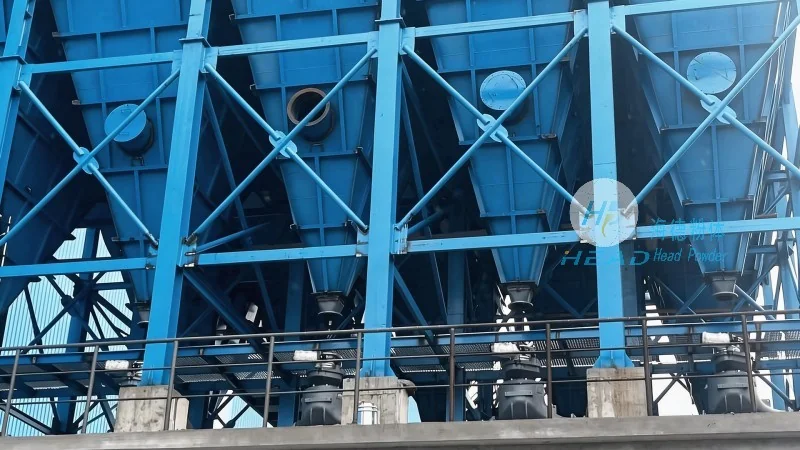
Bentonite pneumatic conveying equipment is widely utilized in industries that handle fine powders. In the oil and gas sector, it is essential for transporting bentonite-based drilling muds to drilling sites, ensuring consistent fluid properties for well drilling operations. In foundry industries, the equipment is used to convey foundry sand, a mixture of bentonite and other materials, to molding lines. Additionally, in environmental remediation projects, pneumatic conveying is employed to transport bentonite used for soil stabilization and contaminant absorption. The equipment's ability to handle abrasive and fine powders makes it suitable for these demanding applications, where reliability and efficiency are paramount. Its adaptability also extends to other industries, including pharmaceuticals, food processing, and chemical manufacturing, where precise material handling is critical.
Company Profile: Shandong HeadPowder Engineering Co., Ltd.
Shandong HeadPowder Engineering Co., Ltd., commonly referred to as headpowder, is a leading manufacturer and supplier of industrial conveying equipment, specializing in solutions for bentonite and other fine powders. The company is headquartered in Shandong, China, and has built a strong reputation for its high-quality, durable, and efficient pneumatic conveying systems. With years of experience in the industry, headpowder provides comprehensive solutions tailored to the specific needs of its clients, ensuring optimal performance and long-term reliability. The company's commitment to innovation and customer satisfaction has made it a trusted partner for businesses seeking reliable material handling solutions. Headpowder's expertise in designing and manufacturing pneumatic conveying equipment has enabled it to meet the diverse requirements of various industries, contributing to improved operational efficiency and product quality across the supply chain.