

What is a Wheat Flour Bulk Handling System Equipment? What are the Design Principles?
Wheat flour is a cornerstone ingredient in the food industry, and the efficient handling of this bulk material is vital for maintaining product quality and operational efficiency. A wheat flour bulk handling system is a specialized equipment setup engineered to transport, store, and manage wheat flour in large quantities. This system is indispensable for industries such as flour milling, baking, and food processing, where substantial volumes of flour must be moved between production stages.
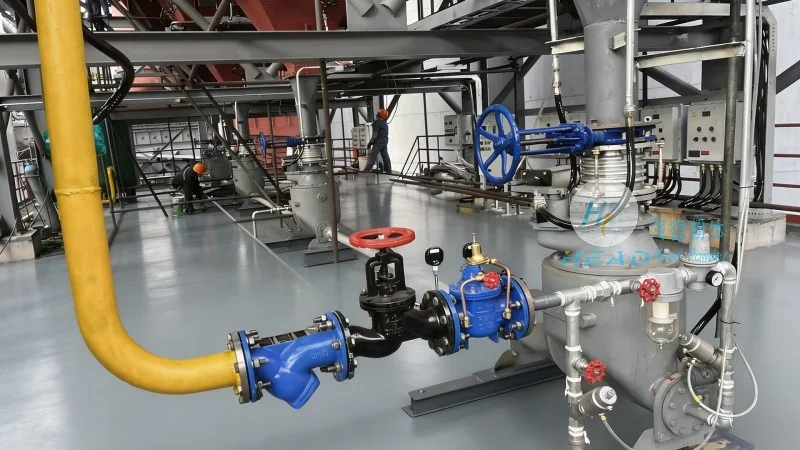
Understanding the Wheat Flour Bulk Handling System
The wheat flour bulk handling system comprises several key components, each serving a critical role in the overall operation. These components include hoppers for receiving and storing flour, conveyors or pneumatic systems for material transport, and control panels for monitoring and regulating the process. The system is designed to accommodate the unique properties of wheat flour, such as its fine particle size and propensity for dust generation, ensuring safe and efficient movement throughout the production line.
Core Design Principles of the Wheat Flour Bulk Handling System
The design of a wheat flour bulk handling system is guided by several essential principles to ensure optimal performance and safety. First, the system must prioritize dust control and contamination prevention, as flour is highly sensitive to moisture and impurities. This is achieved through sealed hoppers, airtight conveyors, and proper ventilation systems that minimize exposure to external elements. Second, the system is engineered for durability and low maintenance, as it operates in environments with high humidity and frequent use. Materials like stainless steel are commonly used for components in direct contact with flour to prevent corrosion and maintain hygiene standards.
Third, the system is built for flexibility and scalability. It can be customized to meet varying production volumes and operational needs, allowing manufacturers to adapt to changing market demands. The control systems often integrate sensors and automation technology to provide real-time monitoring of flow rates, pressure, and temperature, ensuring consistent product quality and preventing equipment failures.
Key Components and Their Functions
Each component of the wheat flour bulk handling system has a specific function to ensure smooth operation. The receiving hopper is the initial stage, where raw wheat flour is deposited from trucks or storage silos. This hopper is designed with a sloped bottom to facilitate material flow into the next stage. The hopper is equipped with a discharge valve that controls the release rate, preventing overloading of downstream equipment.
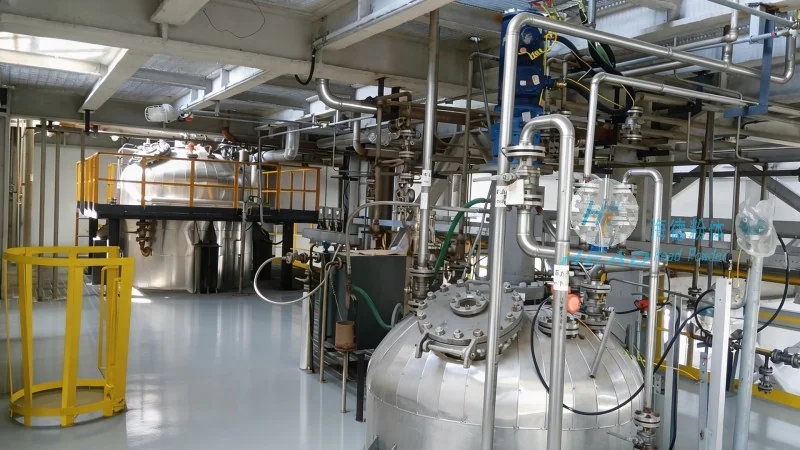
Next, the conveying system transports flour from the hopper to processing or storage areas. Two main types of conveying systems are used: mechanical conveyors (like belt or screw conveyors) and pneumatic systems (airslide or vacuum lifters). Mechanical conveyors suit horizontal or slight incline transport, while pneumatic systems are ideal for vertical or long-distance movement. The choice depends on the application and flour volume.
The control panel is another critical component, managing the entire operation. It includes sensors monitoring hopper levels, conveyor flow rates, and pneumatic line pressures. The panel also features safety elements like emergency stop buttons and alarms for detecting faults or abnormal conditions, ensuring safe and efficient operation.
Importance of Proper Design and Installation
Proper design and installation are crucial for maximizing the system's performance and longevity. The system must be tailored to handle wheat flour's fine particle size, which can cause clogging in traditional conveyors. Specialized equipment like airslides or vibratory conveyors is used to prevent clogs and ensure smooth flow. Additionally, proper sealing and ventilation prevent dust accumulation and maintain a safe working environment.
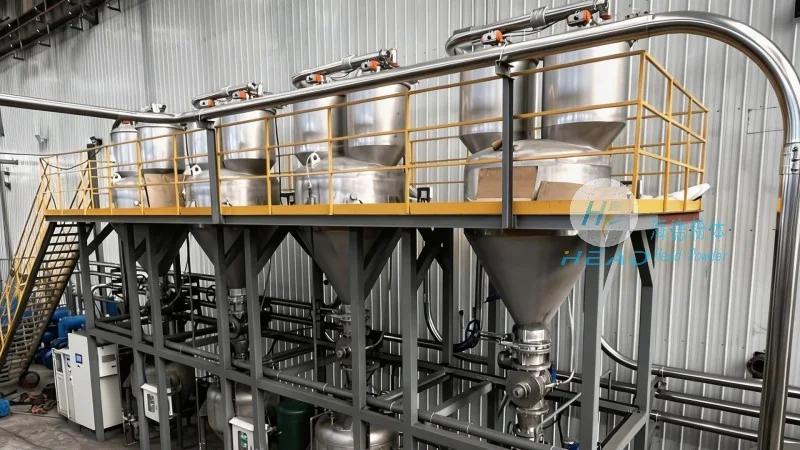
The installation process requires careful planning to ensure all components are aligned and connected correctly. The receiving hopper must be positioned at the right height and angle for material flow, and the conveying system sized for expected flour volumes. The control panel is placed for easy operator access. Regular maintenance checks are also essential to identify and resolve issues before they become major problems.
Benefits of Implementing the System
A well-designed wheat flour bulk handling system offers significant advantages for food processing and flour milling industries. First, it boosts operational efficiency by reducing labor and time for moving large flour volumes. The automated system enables continuous operation, increasing production rates and minimizing downtime. Second, it enhances product quality by minimizing contamination and maintaining consistent moisture levels. The sealed environment prevents external impurities, ensuring the final product meets quality standards.
Third, the system improves workplace safety by reducing dust explosion risks and other hazards from bulk material handling. Sealed designs and ventilation minimize dust buildup, while real-time monitoring via the control panel reduces accident risks. Fourth, it is cost-effective long-term, as it requires less maintenance and has a longer lifespan compared to manual handling methods.
Conclusion
A wheat flour bulk handling system is a critical investment for any food processing or flour milling operation. Its design is rooted in safety, efficiency, and durability, ensuring it can handle wheat flour's unique properties while maintaining product quality. The system's components work in concert to transport, store, and manage bulk material. Proper design and installation are essential to maximize performance and benefits. By adopting a well-engineered wheat flour bulk handling system, manufacturers can enhance operational efficiency, improve product quality, and ensure a safe working environment.