

PTA Powder Conveying System Equipment: What It Is and Its Design Principles
PTA (Polyethylene Terephthalate Acid) powder conveying systems are critical components in the manufacturing and processing industries, particularly in the production of polyester fibers and other polymer materials. These systems are engineered to handle the unique challenges associated with transporting PTA powder, which is known for its fine particle size, hygroscopic nature, and potential for static electricity. Understanding the equipment and its design principles is essential for optimizing production efficiency, ensuring product quality, and maintaining safe operational conditions.
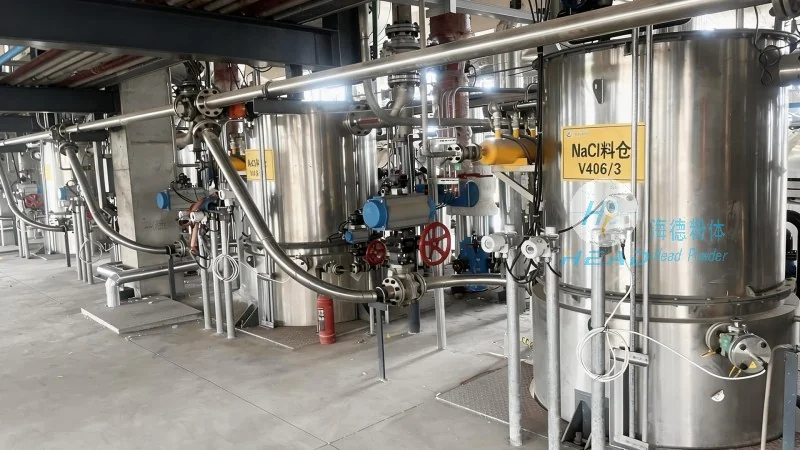
HeadPowder, a leading manufacturer based in Shandong, China, specializes in the design, development, and supply of advanced PTA powder conveying systems. With years of experience in the field, the company has developed solutions tailored to meet the specific needs of various industrial applications. The following sections will explore the key aspects of PTA powder conveying systems, including their components, operational principles, and design considerations.
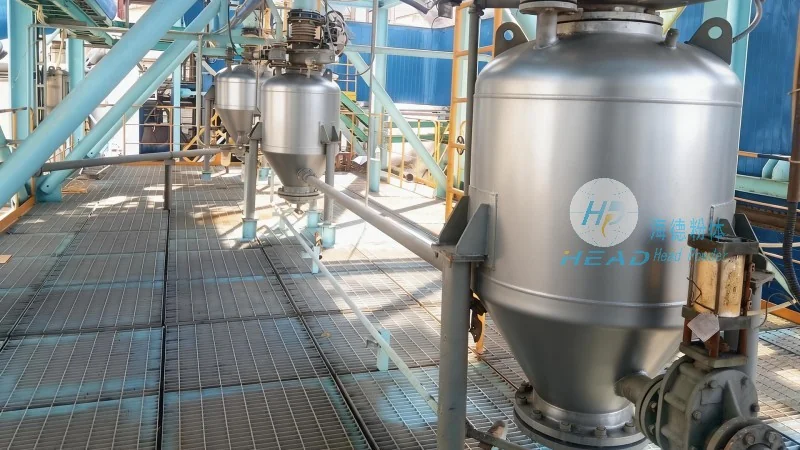
Key Components of a PTA Powder Conveying System
A typical PTA powder conveying system consists of several essential components that work together to ensure efficient and reliable material transport. These components include:
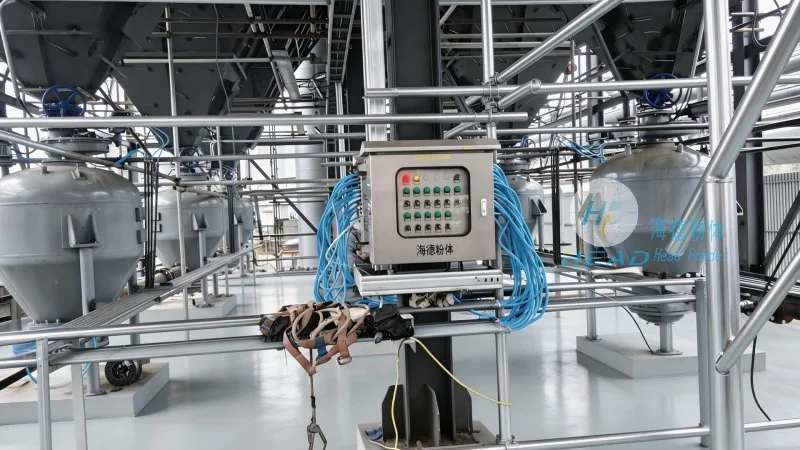
- Pneumatic Conveying Hoppers: These are used to store and feed the PTA powder into the conveying line. The hoppers are designed with features such as agitators or vibrators to prevent material bridging and ensure a consistent flow.
- Conveying Lines: The main pipeline through which the PTA powder is transported. These lines are often made of materials like stainless steel or special plastics to prevent corrosion and material buildup.
- Control Valves and Regulators: These components regulate the flow rate and pressure within the system, ensuring stable operation and preventing overpressurization or underpressure conditions.
- Filters and Dust Collectors: To maintain air quality and protect equipment from dust accumulation, these systems include filtration and dust collection units.
- Electrostatic Discharge (ESD) Controls: Given the hygroscopic nature of PTA powder, which can generate static electricity, ESD controls are crucial to prevent sparks and ensure safe operation.
Design Principles for PTA Powder Conveying Systems
The design of a PTA powder conveying system must address several critical factors to ensure optimal performance and safety. The primary design principles include:
- Material Compatibility: The system components must be compatible with PTA powder to prevent chemical reactions or material degradation. Stainless steel and specialized plastics are commonly used due to their resistance to corrosion and chemical exposure.
- Prevention of Material Bridging and Agglomeration: PTA powder can tend to form clumps or bridge in hoppers and pipelines. Design features such as agitators, vibrators, and smooth internal surfaces are incorporated to mitigate these issues and maintain consistent flow.
- Control of Static Electricity: PTA powder is prone to generating static charges, which can lead to sparks and fire hazards. ESD grounding and anti-static additives are implemented to neutralize static buildup and ensure safe operation.
- Efficient Air Management: The system must efficiently manage air flow to maintain consistent pressure and prevent air leaks. Proper sizing of air compressors and filters is essential for optimal performance.
- Modular and Scalable Design: Modern PTA powder conveying systems are often designed with modular components that allow for easy expansion or modification to accommodate changing production needs.
Operational Considerations and Maintenance
Proper operation and maintenance of PTA powder conveying systems are vital to ensure long-term reliability and performance. Key operational considerations include:
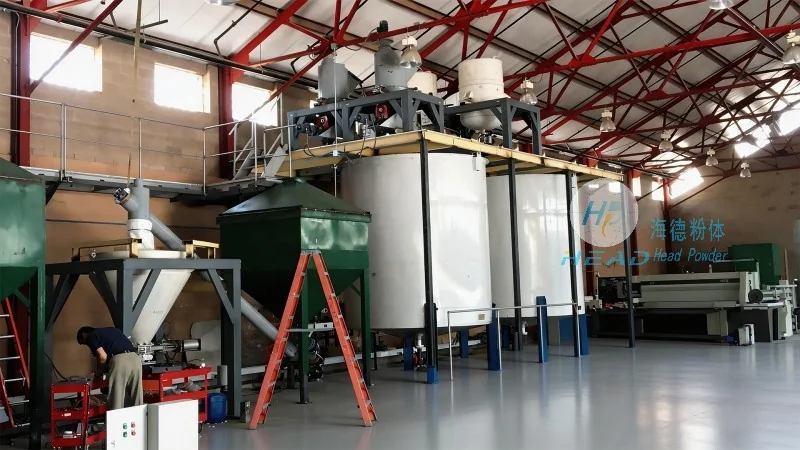
- Regular Cleaning and Inspection: Due to the fine particle size of PTA powder, regular cleaning of hoppers, pipelines, and filters is necessary to prevent material buildup and maintain system efficiency.
- Monitoring Air Pressure and Flow: Continuous monitoring of air pressure and flow rates helps detect potential issues early, such as clogs or leaks, and allows for timely adjustments.
- Preventive Maintenance Schedules: Implementing a regular maintenance schedule for components like valves, filters, and ESD systems ensures that the system operates at peak efficiency and reduces the risk of unexpected failures.
- Training and Safety Protocols: Proper training of operators on system operation and safety protocols, including ESD precautions and emergency procedures, is essential to prevent accidents and ensure workplace safety.
Conclusion
PTA powder conveying systems are sophisticated pieces of equipment that require careful design and maintenance to handle the unique properties of PTA powder. By understanding the key components, design principles, and operational considerations, manufacturers can optimize their production processes, enhance product quality, and ensure safe and efficient operation. HeadPowder, with its expertise and commitment to quality, continues to provide reliable solutions for the PTA powder conveying industry.