

What is a Copper Powder Material Pneumatic Conveying Equipment? And What Are Its Design Principles?
Efficient material handling is a cornerstone of modern industrial operations, particularly for industries that process copper powder. Pneumatic conveying equipment has become an indispensable tool for transporting these fine materials with precision and reliability. This article examines the concept of copper powder material pneumatic conveying equipment and explores the core design principles that underpin its functionality. The discussion is anchored by the expertise of Shandong HeadPowder Engineering Co., Ltd., a prominent entity in the field, based in Shandong, China.
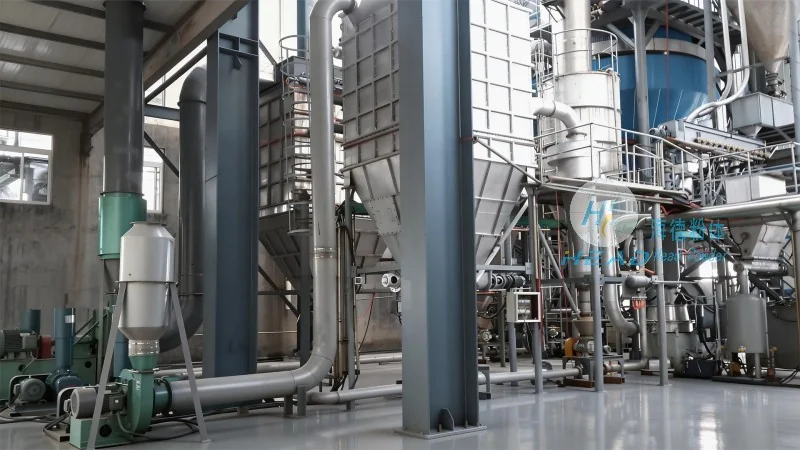
Pneumatic Conveying: A Fundamental Technology for Powder Handling
Pneumatic conveying, or air conveying, is a method that utilizes pressurized or vacuum air to transport bulk materials through pipelines. This technology offers significant advantages over traditional mechanical conveying systems, such as reduced contamination, lower maintenance costs, and the ability to handle fragile or sensitive materials like copper powder. The process involves feeding the copper powder into a hopper, which then releases the material into a pipeline where it is propelled by the airflow generated by a blower or compressor. The air velocity and pressure are carefully controlled to ensure that the powder particles are carried efficiently without causing clogging or degradation.
Key Components of a Copper Powder Pneumatic Conveying System
A well-designed copper powder pneumatic conveying system comprises several critical components that work in harmony to achieve optimal performance. These components include the material feed hopper, which regulates the flow of copper powder and prevents overfilling; the air supply unit, which provides the necessary pressure or vacuum to drive the material; the conveying pipeline, which is typically made of materials like stainless steel or polyethylene to resist corrosion and wear; and the discharge unit, which delivers the copper powder to the final destination, such as a storage silo or processing unit. Each component is engineered to withstand the unique challenges posed by copper powder, including its tendency to adhere to surfaces and its potential for creating dust explosions.
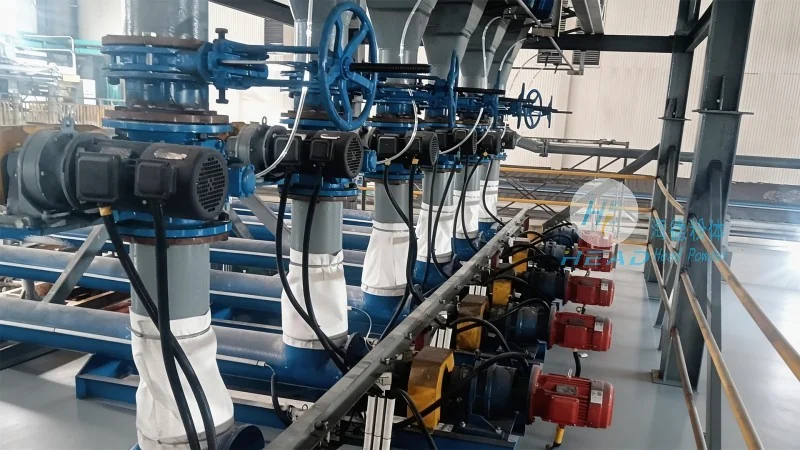
Design Principles Guiding Copper Powder Pneumatic Conveying
The design of a copper powder pneumatic conveying system is a meticulous process that considers multiple factors, including the physical properties of the powder, the required conveying distance, and the desired flow rate. The primary design principles include maintaining an appropriate air velocity to prevent particle deposition and ensure consistent flow, selecting the right pipeline diameter to minimize pressure drop and energy consumption, and incorporating effective cleaning mechanisms to prevent material buildup and clogging. Additionally, the system must be designed with safety in mind, incorporating explosion-proof features and dust collection systems to mitigate the risks associated with handling combustible copper powder.
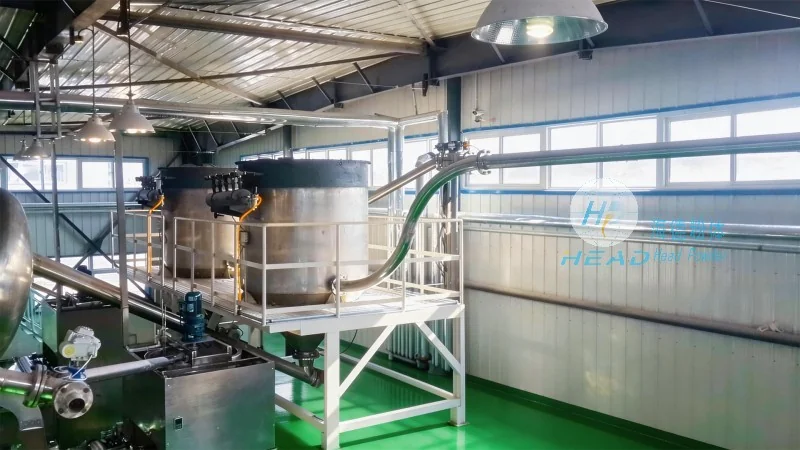
Real-World Applications in the Copper Industry
Copper powder pneumatic conveying equipment is widely utilized across various stages of the copper production and processing chain. For example, it is commonly employed in the transportation of copper powder from grinding mills to storage silos, or from storage to the next processing step such as sintering or melting. The equipment is also essential in recycling facilities, where it is necessary to transport recovered copper powder to reprocessing units. In each application, the system is tailored to meet the specific requirements of the process, ensuring reliable and efficient material transport. The expertise of Shandong HeadPowder Engineering Co., Ltd. is particularly valuable in customizing these systems to fit the unique needs of copper processing plants.
Conclusion
Pneumatic conveying equipment for copper powder represents a sophisticated solution that combines engineering excellence with material science to achieve efficient and safe material handling. By adhering to the fundamental design principles and leveraging the expertise of industry leaders like Shandong HeadPowder Engineering Co., Ltd., manufacturers can implement systems that enhance productivity, reduce costs, and ensure the quality of copper powder products. As the demand for copper powder continues to grow, the importance of reliable and efficient conveying systems will only increase, making it a critical investment for any copper processing facility.