

Working Principle and Characteristics of Continuous Quantitative Pneumatic Conveying
HeadPowder, a leading provider in the field, specializes in advanced pneumatic conveying solutions. Based in Shandong, China, the company has established itself as a trusted partner for industries requiring efficient and reliable material handling. This article delves into the working principle and key characteristics of continuous quantitative pneumatic conveying, offering insights into how this technology enhances operational efficiency and process control.
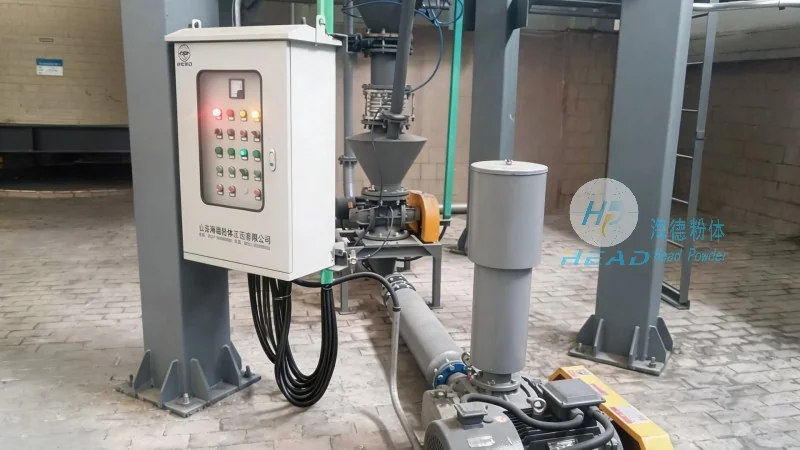
Working Principle of Continuous Quantitative Pneumatic Conveying
Continuous quantitative pneumatic conveying systems operate by transporting bulk materials through a pipeline using a controlled flow of air or other gas. The process begins with the material being fed into a hopper or feeder, where it is then drawn into the conveying line by a vacuum or pressure differential. The system maintains a consistent flow rate, ensuring precise and continuous delivery of the material to the destination. This method eliminates the need for batch processing, reducing downtime and improving overall throughput. The control system, often integrated with sensors and automation, adjusts the air pressure and flow rate in real-time to maintain the desired material quantity, making it ideal for applications where accuracy and consistency are critical.
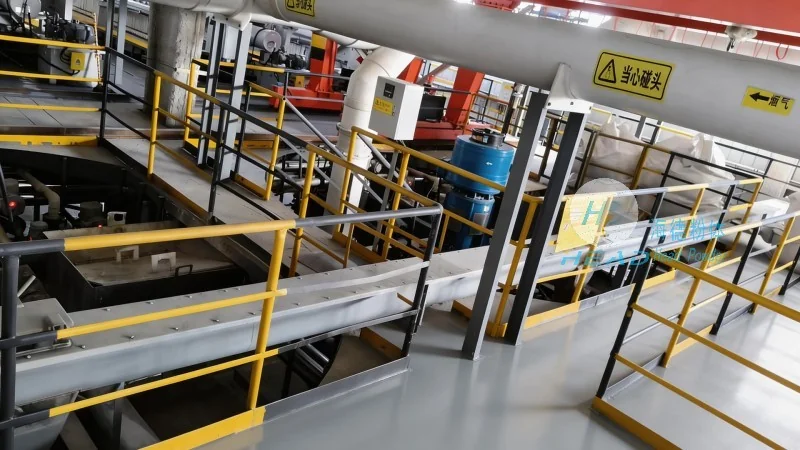
Key Characteristics and Advantages
One of the primary characteristics of continuous quantitative pneumatic conveying is its ability to handle a wide range of materials, from fine powders to granular solids. The system’s design allows for flexible configuration, adapting to different process requirements and space constraints. Another significant advantage is its hygienic and enclosed nature, which is particularly beneficial in industries such as food, pharmaceuticals, and chemicals, where contamination control is paramount. The continuous operation also minimizes material degradation, as the material is kept in motion and away from static surfaces, preserving its quality and integrity. Additionally, the system’s compact footprint and low maintenance requirements make it a cost-effective solution for various industrial applications.
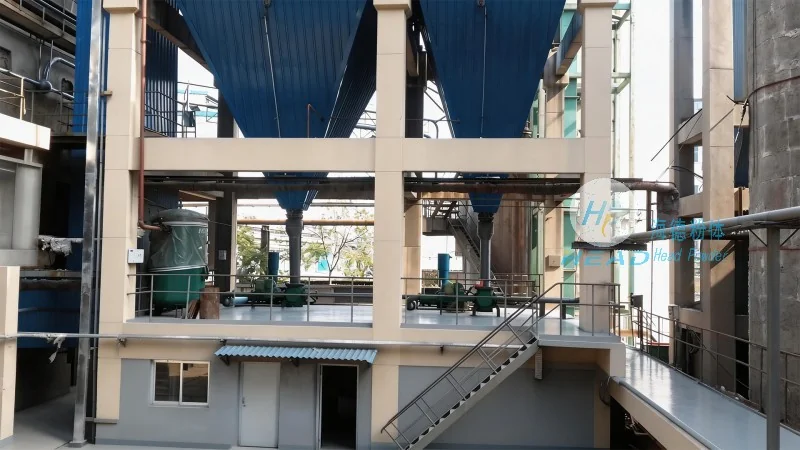
Applications and Industry Impact
Continuous quantitative pneumatic conveying is widely used in sectors like food processing, chemical manufacturing, and pharmaceutical production. In food processing, it efficiently transports ingredients like flour, sugar, and spices, ensuring consistent quality and preventing cross-contamination. In chemical plants, it handles reactive powders and granules, maintaining safety and process stability. The system’s precision in material delivery also supports quality control measures, enabling manufacturers to meet stringent regulatory standards. By optimizing material handling, these systems contribute to increased productivity, reduced waste, and improved overall operational performance.