

Working Principle and Features of Lysine Pneumatic Conveying Systems
For industrial applications involving the handling of lysine, a critical amino acid used in animal feed and other sectors, efficient and reliable material transport is essential. This is where lysine pneumatic conveying systems come into play, offering a robust solution for moving lysine from storage to processing units. In this article, we explore the working principle and key features of these systems, highlighting how they contribute to operational efficiency and product integrity.
Understanding the Working Principle of Lysine Pneumatic Conveying Systems
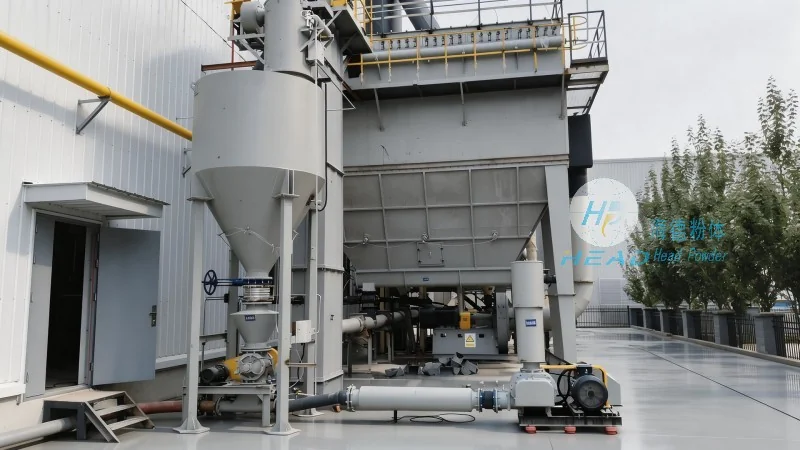
Lysine pneumatic conveying systems operate on the principle of using air or other gases to transport solid materials, such as lysine, through a pipeline. The process typically involves several key components and steps that ensure smooth and consistent material movement. The system generally consists of a hopper for material storage, a conveying line, a blower or compressor to generate the necessary air pressure, and a receiver for the discharged material. When the system is activated, the blower creates a low-pressure zone in the conveying line, which draws lysine from the hopper and propels it through the pipeline using a combination of air velocity and pressure differentials. This method allows for the continuous transport of lysine without the need for mechanical components like belts or buckets, reducing maintenance requirements and minimizing product contamination.
Key Features of Lysine Pneumatic Conveying Systems
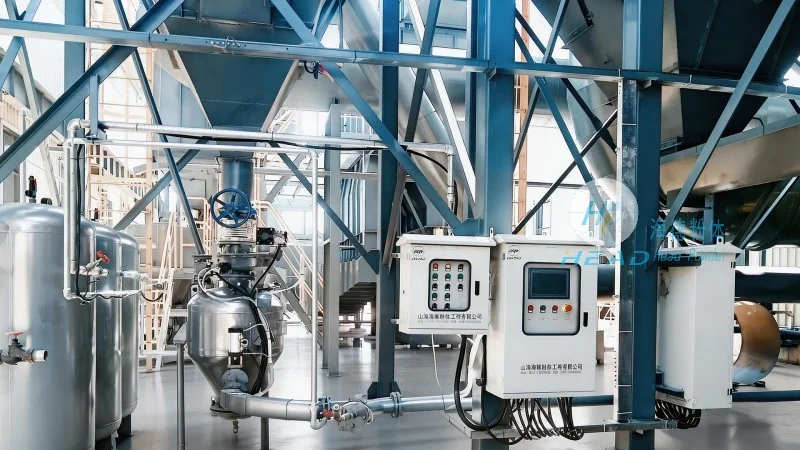
HeadPowder, a leading manufacturer of industrial conveying equipment, offers lysine pneumatic conveying systems that are designed to meet the specific demands of the lysine industry. These systems are characterized by several key features that enhance performance and reliability. First, the systems are equipped with high-efficiency blower units that provide consistent air flow, ensuring stable material transport even with varying lysine feed rates. The conveying lines are constructed from materials resistant to corrosion and abrasion, such as stainless steel or specialized plastics, which are essential for handling lysine and preventing product degradation. Additionally, the systems incorporate advanced control systems that allow for precise regulation of air pressure and flow, enabling operators to adjust the conveying rate as needed. This flexibility is crucial for maintaining product quality and preventing overloading or underloading of the system. Another notable feature is the inclusion of dust collection and filtration systems, which help to maintain a clean working environment and comply with environmental regulations. The systems also feature easy-to-clean components, such as hoppers and conveying lines, which simplify maintenance and reduce downtime. Furthermore, the design of these systems prioritizes energy efficiency, with optimized air usage and minimal energy waste, contributing to lower operational costs over time.
Benefits of Using Lysine Pneumatic Conveying Systems
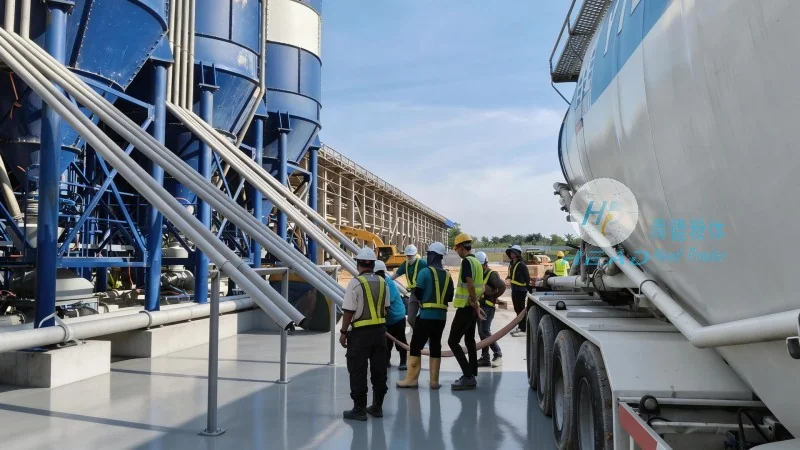
The adoption of lysine pneumatic conveying systems brings numerous benefits to industrial operations. By eliminating the need for mechanical handling equipment, these systems reduce the risk of product damage and contamination, which is critical for lysine, a sensitive material used in food and animal feed applications. The continuous and automated nature of the conveying process also improves operational efficiency, allowing for higher throughput and reduced labor requirements. Additionally, the systems are designed to minimize material loss, with features like sealed hoppers and efficient conveying lines that prevent lysine from escaping or being lost during transport. This not only improves product yield but also enhances cost-effectiveness. The reliability of pneumatic conveying systems also contributes to reduced downtime, as they are less prone to mechanical failures compared to traditional conveying methods. Furthermore, the systems are scalable, allowing businesses to expand their operations by adding more conveying lines or increasing the capacity of existing units without significant modifications. This flexibility makes them suitable for both small-scale and large-scale lysine processing facilities. The environmental benefits of these systems should also be noted, as they reduce the need for manual handling and minimize the generation of dust and waste, contributing to a cleaner and safer workplace.
Conclusion
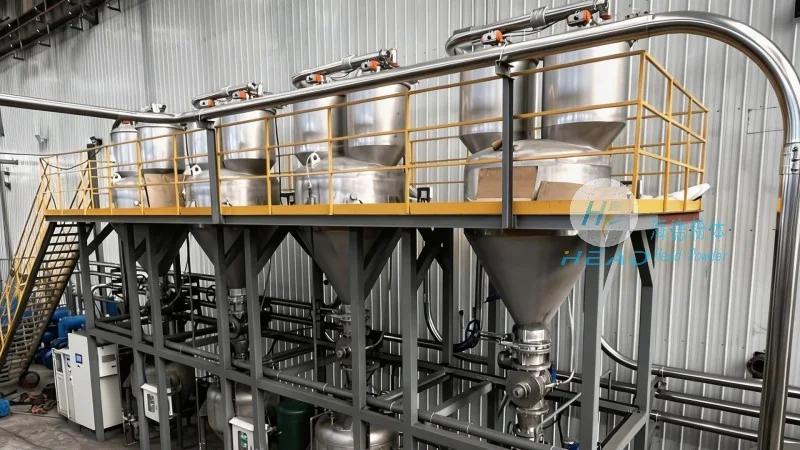
In conclusion, lysine pneumatic conveying systems represent a sophisticated and efficient solution for the transport of lysine in industrial settings. The working principle, which relies on air pressure and flow to move material, combined with key features such as high-efficiency blower units, corrosion-resistant materials, and advanced control systems, ensures that these systems deliver reliable and consistent performance. The benefits, including improved product quality, operational efficiency, and cost savings, make them an attractive choice for businesses in the lysine industry. As a leading provider of industrial conveying equipment, Shandong HeadPowder Engineering Co., Ltd. (HeadPowder) continues to innovate and refine these systems to meet the evolving needs of the market, providing customers with reliable and effective solutions for their material handling requirements.