

Working Principle and Features of Air-Pneumatic Conveying Lines for Lithium Battery Raw Materials
HeadPowder, a leading engineering company based in Shandong, China, specializes in the design and manufacturing of advanced air-pneumatic conveying lines tailored for the handling of raw materials used in lithium battery production. These systems are crucial for efficiently transporting bulk materials such as lithium compounds, cobalt, nickel, and other critical components from storage to processing units within the battery manufacturing facility. The air-pneumatic conveying technology offers a non-contact, dust-free, and energy-efficient method to move materials, which is essential for maintaining high purity standards and operational safety in lithium battery production.
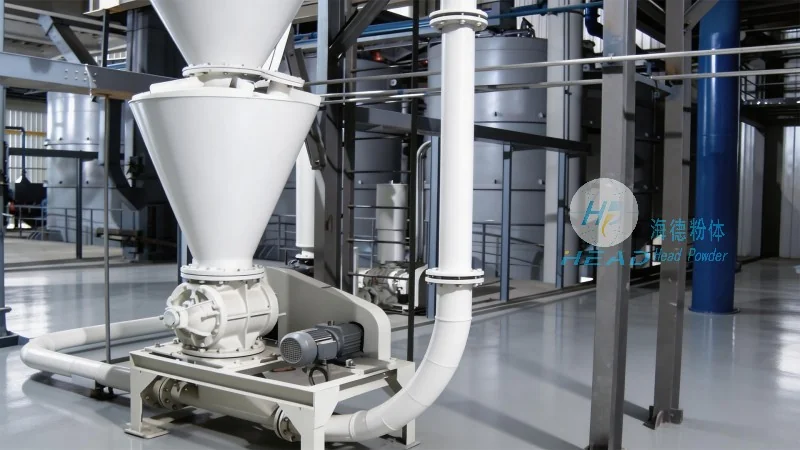
Working Principle of Air-Pneumatic Conveying Lines
The core mechanism of an air-pneumatic conveying line involves the use of compressed air to transport solid materials through a pipeline system. The process typically starts with a hopper or feeder that feeds the raw material into a vertical or horizontal duct. As the material enters the duct, a controlled amount of compressed air is introduced, creating a flow that propels the material forward. The air velocity is carefully regulated to ensure that the material particles are carried along without excessive wear or degradation. The system may include components such as rotary valves, airlocks, and cyclones to control the flow rate, separate air from the material, and prevent blockages. The entire process is driven by a blower or compressor that maintains the necessary air pressure and flow rate to achieve consistent material transport. This principle allows for a continuous, automated operation that minimizes manual handling and reduces the risk of contamination, which is vital for the sensitive materials used in lithium battery production.
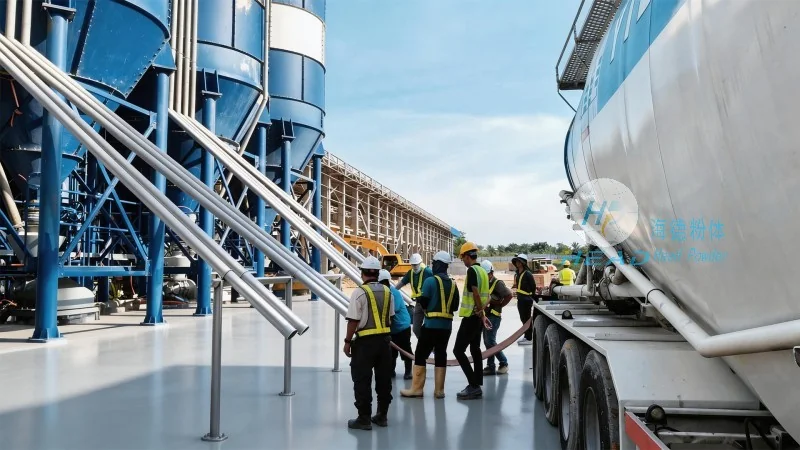
Key Features of Lithium Battery Raw Material Conveying Lines
HeadPowder's air-pneumatic conveying lines for lithium battery raw materials are designed with several distinctive features that enhance performance and reliability. One of the primary advantages is the ability to handle a wide range of material types, including powders, granules, and fine particles, with minimal degradation. The non-contact design prevents material contamination, which is critical for maintaining the purity of lithium compounds and other active ingredients. Additionally, the system offers high efficiency in terms of energy consumption and material throughput, making it suitable for large-scale battery production facilities. The modular design allows for easy integration with existing production lines and scalability to accommodate increasing production demands. Another key feature is the dust control and environmental protection aspect, as the enclosed system prevents dust emissions and complies with industrial safety regulations. The advanced control systems provide real-time monitoring of flow rates, pressure, and material levels, enabling operators to optimize the process and ensure consistent quality. Furthermore, the durability of the components, such as the ductwork and valves, is enhanced through the use of corrosion-resistant materials, ensuring long-term operational reliability in the harsh conditions of battery manufacturing plants.
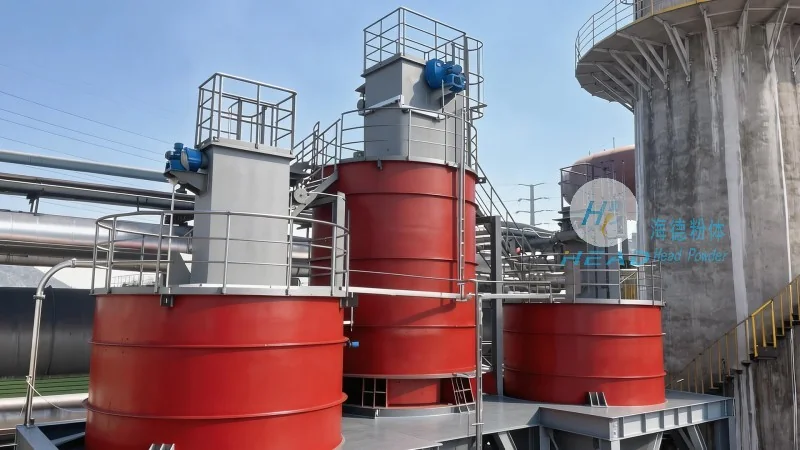
Application and Benefits in Lithium Battery Production
The air-pneumatic conveying lines developed by HeadPowder are specifically tailored to meet the demanding requirements of lithium battery production. These systems are used to transport raw materials such as lithium carbonate, lithium hydroxide, cobalt oxide, and nickel sulfate from raw material storage areas to the mixing and processing stages. The efficient and clean transport process reduces the risk of material contamination and ensures that the active ingredients remain in their original state, which is essential for achieving high battery performance and cycle life. The non-contact design also minimizes the risk of mechanical damage to the materials, preserving their particle size distribution and chemical properties. In addition to material handling, the conveying lines contribute to overall operational efficiency by reducing downtime and maintenance costs. The automated control systems allow for precise material delivery, which is crucial for maintaining consistent battery cell quality. The environmental benefits of the enclosed system include reduced dust emissions and improved workplace safety, aligning with modern industrial standards. By integrating these conveying lines into the production process, manufacturers can achieve higher productivity, lower operational costs, and enhanced product quality, ultimately contributing to the success of their lithium battery production operations.