

Working Principles and Characteristics of Cellulose Material Handling
Cellulose material handling is a critical process in various industrial applications, particularly in sectors dealing with biomass, paper, and agricultural products. Understanding the working principles and key characteristics of this process is essential for optimizing material flow, enhancing operational efficiency, and ensuring the reliability of handling systems. This article provides an in-depth exploration of how cellulose material handling operates and the distinct features that define its effectiveness.
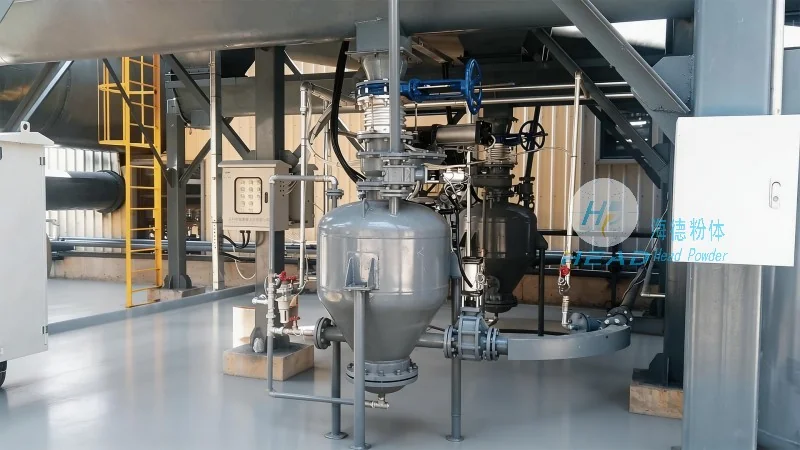
Introduction to Cellulose Material Handling
Cellulose material handling involves the movement, storage, and processing of materials primarily composed of cellulose, such as wood chips, pulp, and agricultural residues. These materials are typically bulk materials with specific physical properties, including high moisture content, irregular shapes, and varying densities. The handling of cellulose materials requires specialized equipment and systems designed to accommodate these characteristics. The process is integral to industries like pulp and paper manufacturing, biofuel production, and agricultural processing, where efficient material transport is crucial for downstream operations.
Working Principles of Cellulose Material Handling Systems
The working principles of cellulose material handling systems are centered on the efficient transfer of bulk materials from one location to another while maintaining their integrity and minimizing degradation. These systems typically employ a combination of mechanical and hydraulic components to achieve smooth material flow. Key components include feeders, conveyors, elevators, and storage silos, each designed to handle the unique challenges posed by cellulose materials. The process begins with material intake, where raw cellulose materials are collected and prepared for transport. This is often followed by preprocessing steps, such as size reduction or moisture adjustment, to improve material handling characteristics. The material is then conveyed through a series of mechanisms, including belt conveyors, screw conveyors, and pneumatic systems, depending on the specific application and material properties.
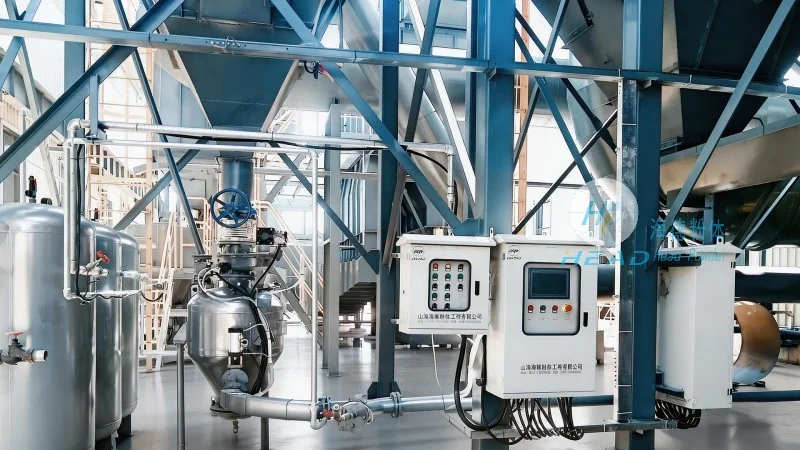
Conveyor systems, for instance, use rotating belts or screws to move materials horizontally or vertically. Belt conveyors are widely used for transporting loose materials over long distances, while screw conveyors are effective for handling materials with higher moisture content or those that require vertical elevation. Pneumatic systems, on the other hand, utilize air pressure to transport materials in a closed pipeline, which is particularly useful for handling fine or dusty cellulose materials. The selection of the appropriate conveying method depends on factors such as material size, moisture level, and the required throughput. Each component works in coordination to ensure a continuous and reliable material flow, minimizing downtime and operational disruptions.
Key Characteristics of Cellulose Material Handling
Several distinct characteristics define the performance and effectiveness of cellulose material handling systems. These characteristics are influenced by the physical properties of the materials being handled and the design of the handling equipment. First, the high moisture content of cellulose materials can affect their flowability and cause clogging in certain equipment. To address this, systems often incorporate moisture control mechanisms, such as drying or conditioning, to improve material handling. Second, the irregular shapes and varying sizes of cellulose materials require equipment with flexible feeding and conveying capabilities. This includes the use of adjustable feeders and flexible conveyor belts that can accommodate different particle sizes and shapes.
Third, the density and bulk density of cellulose materials influence the capacity and efficiency of handling systems. Higher bulk density materials can be transported more efficiently, reducing the energy consumption and space requirements of the system. Conversely, low-density materials may require larger conveying capacities or additional support structures to prevent sagging or material collapse. Fourth, the hygroscopic nature of cellulose materials means they can absorb moisture from the environment, leading to changes in material properties over time. Handling systems must account for these changes by incorporating drying or moisture management systems to maintain consistent material characteristics. Finally, the need for dust control and environmental compliance is a critical characteristic in modern cellulose material handling. Many systems include dust suppression mechanisms, such as water sprays or enclosed conveyor designs, to minimize airborne particles and comply with environmental regulations.
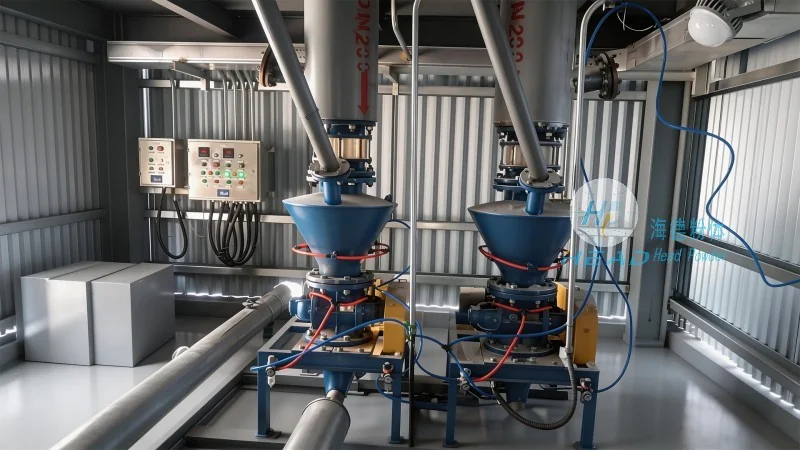
Operational Efficiency and System Integration
Operational efficiency is a primary consideration in cellulose material handling, as it directly impacts the overall productivity and cost-effectiveness of industrial processes. The integration of advanced control systems and automation technologies has significantly improved the efficiency of handling operations. Modern systems often feature sensors and monitoring devices that track material flow rates, conveyor speeds, and system performance in real-time. This data is used to optimize operational parameters, such as feed rates and conveyor speeds, to maximize throughput while minimizing energy consumption. Additionally, the use of variable speed drives allows for dynamic adjustments to the system based on changing material conditions, ensuring consistent performance under varying loads.
System integration is another key aspect of efficient cellulose material handling. The coordination between different handling components, such as feeders, conveyors, and storage systems, is crucial for maintaining a smooth material flow. Automated control systems enable seamless communication between these components, reducing the need for manual intervention and minimizing the risk of operational errors. This integration also facilitates better inventory management, as real-time data on material levels in storage silos can be used to optimize production schedules and prevent stockouts or overstocking. By integrating advanced technologies and optimizing system performance, cellulose material handling systems can achieve higher operational efficiency and lower maintenance costs.
Challenges and Solutions in Cellulose Material Handling
Despite the advancements in handling technology, several challenges remain in the effective management of cellulose materials. One of the main challenges is the variability in material properties, which can lead to inconsistent handling performance. For example, changes in moisture content or particle size can affect the flowability of materials, requiring adjustments to the handling system. To address this, adaptive control systems are being developed that can automatically adjust operational parameters based on real-time material conditions. Another challenge is the risk of material degradation during handling, such as compression or abrasion, which can reduce the quality of the final product. This is particularly critical in applications like pulp and paper manufacturing, where material integrity is essential for downstream processing.
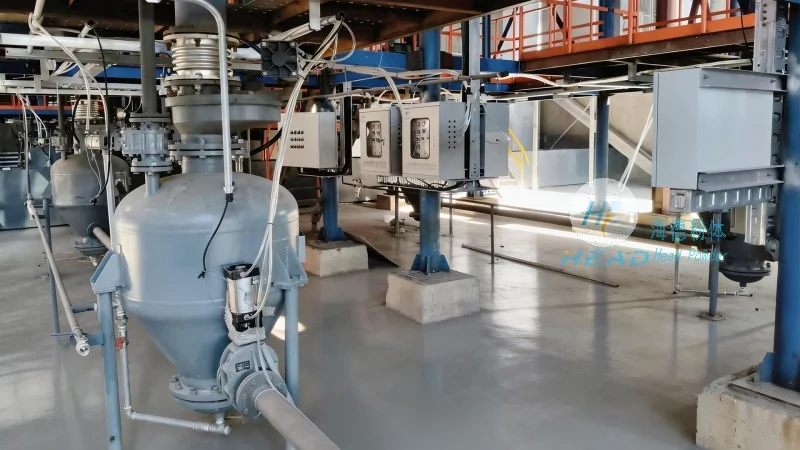
Solutions to these challenges include the use of specialized equipment designed to minimize material damage, such as low-friction conveyor belts and gentle feeding mechanisms. Additionally, the implementation of quality control measures, such as material testing and monitoring, helps ensure that the handled materials meet the required specifications. Another challenge is the need for dust control and environmental compliance, which can be costly and complex. Modern handling systems incorporate advanced dust suppression technologies, such as closed conveyor designs and water sprays, to reduce airborne particles and comply with regulations. By addressing these challenges through innovative solutions and advanced technology, cellulose material handling systems can overcome operational barriers and achieve optimal performance.
Conclusion
In conclusion, cellulose material handling is a complex process that requires a deep understanding of material properties and specialized handling equipment. The working principles and key characteristics of these systems are designed to address the unique challenges posed by cellulose materials, ensuring efficient and reliable material transport. Through the integration of advanced technologies and optimized system design, industries can enhance operational efficiency, reduce costs, and improve product quality. As the demand for biomass and renewable materials continues to grow, the importance of effective cellulose material handling will only increase. By leveraging the principles and characteristics outlined in this article, companies can develop and implement handling systems that meet the evolving needs of their operations and contribute to sustainable industrial practices.