

Working Principle and Features of Sodium Chlorate Material Handling Systems
Understanding the working principle and features of sodium chlorate material handling systems is crucial for industries that rely on efficient and safe transportation of this chemical. This article provides an in-depth look at the core mechanisms and key characteristics of such systems, presented by Shandong HeadPowder Engineering Co., Ltd., a leading provider in the field.
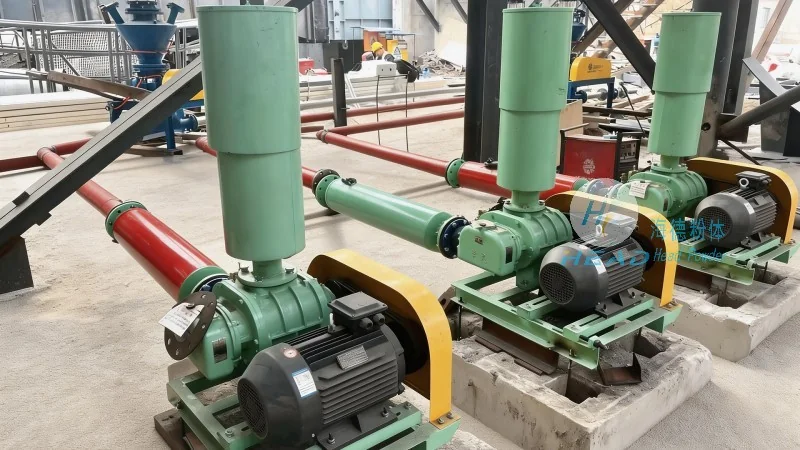
Overview of Sodium Chlorate Material Handling Systems
Sodium chlorate is a highly reactive chemical commonly used in various industrial applications, including pulp and paper production, chemical synthesis, and water treatment. The material handling systems designed for sodium chlorate must address its unique properties, such as its sensitivity to moisture, heat, and potential for exothermic reactions during transport. These systems are engineered to ensure safe, reliable, and efficient movement of the material from storage to processing units.
Working Principle of the Material Handling System
The working principle of a typical sodium chlorate material handling system involves several integrated components working in tandem to achieve seamless material transport. The process typically begins with the storage of sodium chlorate in specialized containers or silos, which are designed to minimize exposure to external factors that could trigger unwanted reactions. From the storage unit, the material is transferred to a conveyor system, which may include belt conveyors, screw conveyors, or pneumatic conveying equipment, depending on the specific requirements of the application.
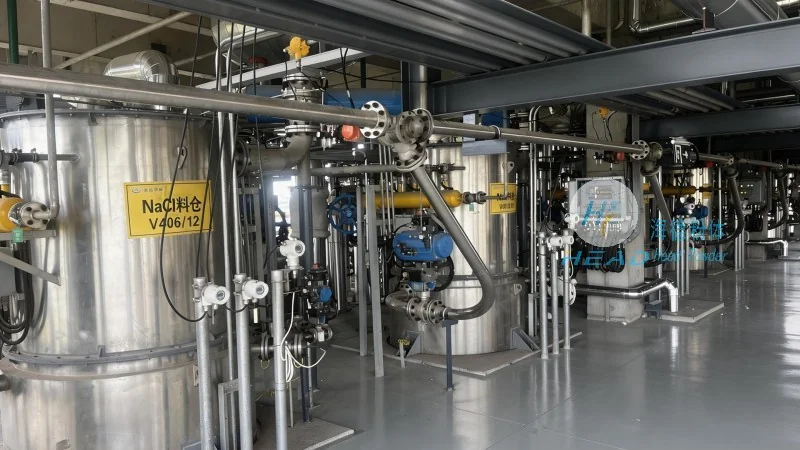
Conveyor systems are often equipped with temperature and moisture control mechanisms to maintain the stability of the sodium chlorate. For example, some systems use insulated conveyor belts to prevent heat buildup, while others incorporate dehumidification units to keep the material dry. The conveying equipment is designed to handle the bulk density and flow characteristics of sodium chlorate, ensuring consistent and controlled movement. After the material is conveyed to the processing area, it may undergo further handling, such as feeding into reactors or storage tanks, where additional control measures are in place to manage the chemical's behavior.
Key Features of the Material Handling System
Shandong HeadPowder Engineering Co., Ltd. has developed advanced features in their sodium chlorate material handling systems to enhance safety, efficiency, and operational reliability. One of the primary features is the integration of real-time monitoring and control systems. These systems utilize sensors to track parameters like temperature, pressure, and flow rate, providing immediate feedback to operators and automated control mechanisms. This allows for quick adjustments to maintain optimal conditions and prevent potential hazards.
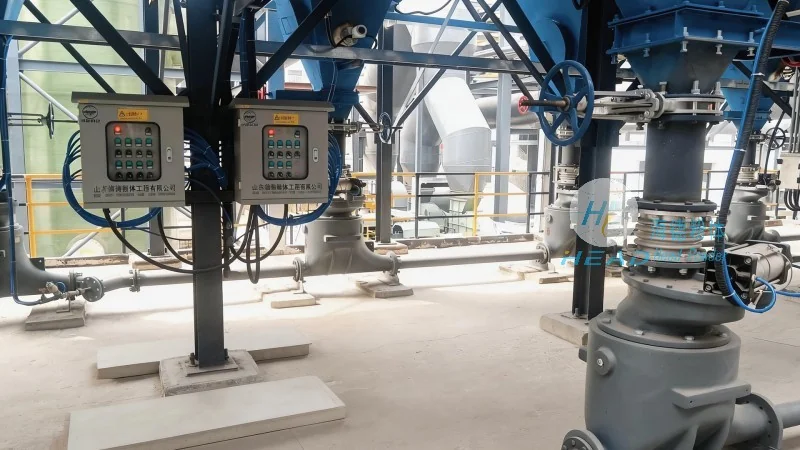
Another critical feature is the use of specialized materials and components that are resistant to the corrosive and reactive nature of sodium chlorate. The system components, including hoppers, chutes, and conveyor parts, are often made from materials such as stainless steel, PTFE, or other corrosion-resistant alloys. This ensures that the equipment can withstand prolonged exposure to the chemical without degradation, reducing maintenance needs and extending the system's lifespan.
Automation is a significant feature in modern sodium chlorate material handling systems. Automated controls enable precise control over the material flow, reducing the risk of human error and improving operational consistency. This includes automated feeding, level control, and emergency shutdown systems. The automation also facilitates data collection and analysis, allowing for continuous improvement in system performance and predictive maintenance.
Safety and Compliance Considerations
Given the hazardous nature of sodium chlorate, safety is a paramount consideration in the design and operation of the material handling system. The system incorporates multiple safety features, including explosion-proof components, fire suppression systems, and emergency shutdown protocols. These measures are designed to mitigate risks associated with the chemical's reactivity and potential for accidental release. Additionally, the system adheres to relevant industry standards and regulations, ensuring compliance with safety and environmental requirements.
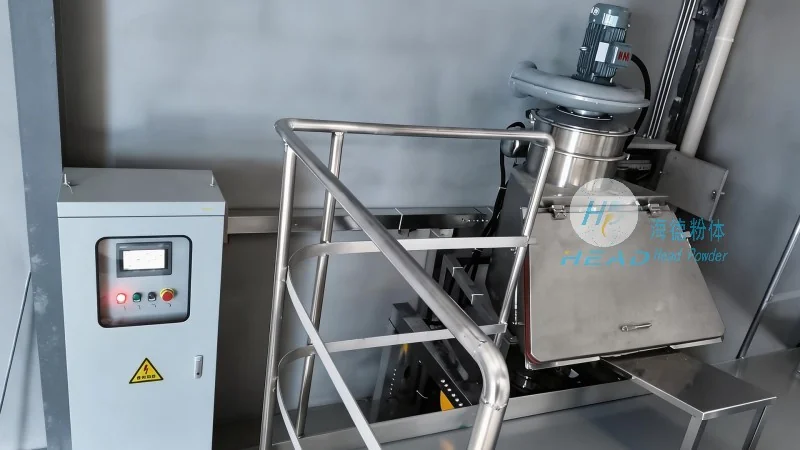
Regular maintenance and inspection are also integral to the system's safety and performance. Shandong HeadPowder Engineering Co., Ltd. provides comprehensive maintenance services to ensure that all components are functioning correctly and that safety measures are up to date. This includes routine checks of sensors, conveyor belts, and control systems, as well as periodic testing of safety features.
Conclusion
In summary, the working principle and features of sodium chlorate material handling systems are tailored to address the unique challenges posed by this chemical. Through advanced engineering, real-time monitoring, and robust safety measures, these systems provide efficient and reliable transportation of sodium chlorate while minimizing risks. Shandong HeadPowder Engineering Co., Ltd. continues to innovate in this field, offering solutions that meet the evolving needs of industries that rely on sodium chlorate.