

Working Principle and Features of Fully Automatic Material Handling Equipment
HeadPowder, a leading manufacturer based in Shandong, China, specializes in the design and production of fully automatic material handling equipment. This article delves into the working principles and key features of such systems, providing a comprehensive overview for industry professionals and potential clients.
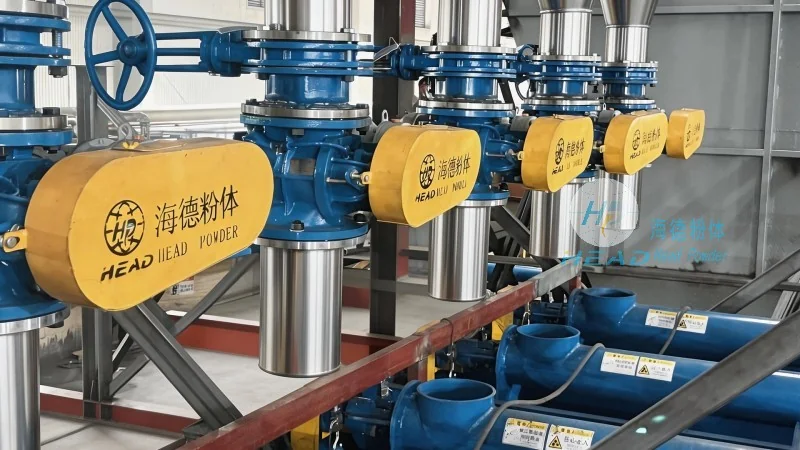
Understanding the Working Principle of Fully Automatic Material Handling Equipment
At the core of fully automatic material handling systems lies a sophisticated integration of mechanical, electrical, and control technologies. These systems are engineered to move, store, and manage materials with minimal human intervention. The working principle typically involves several interconnected components, including conveyors, robotic arms, sensors, and a central control unit. Conveyors, such as belt or chain systems, transport items from one location to another, while robotic arms handle tasks like picking, placing, and sorting. Sensors play a critical role in monitoring the position and status of materials, ensuring precise and safe operations. The central control unit, often powered by advanced software, coordinates all actions, making real-time adjustments based on system feedback. This integrated approach enables the equipment to operate continuously and efficiently, adapting to varying production demands. For instance, in a manufacturing plant, a conveyor system might transport raw components to an assembly line, where robotic arms pick and place parts onto a product. Sensors detect the presence of each component, and the control unit ensures the robotic arm moves precisely to the correct position, preventing misalignments or errors. This seamless coordination is what defines the working principle of fully automatic material handling equipment.
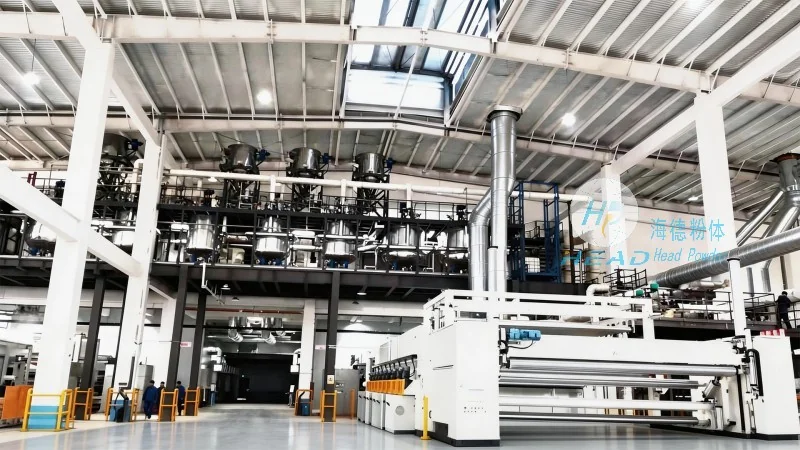
Key Features of Fully Automatic Material Handling Equipment
Fully automatic material handling equipment is characterized by several distinct features that enhance operational performance and reliability. One of the primary features is high automation, which reduces labor costs and minimizes human error. These systems are designed for continuous operation, ensuring consistent productivity throughout the production cycle. Another notable feature is flexibility, as many models can be reconfigured to handle different types of materials or adapt to changing production layouts. Advanced sensors and control systems contribute to enhanced safety, preventing accidents and protecting both personnel and equipment. Additionally, these systems often incorporate data collection capabilities, allowing for real-time monitoring and analysis of operational metrics. This data-driven approach helps in optimizing performance and identifying areas for improvement. The durability and low maintenance requirements of modern material handling equipment also make them a cost-effective long-term investment for businesses. For example, a conveyor system might be equipped with wear-resistant belts and self-lubricating bearings, reducing the need for frequent maintenance and extending the equipment's lifespan. Such features not only improve efficiency but also lower operational costs over time.
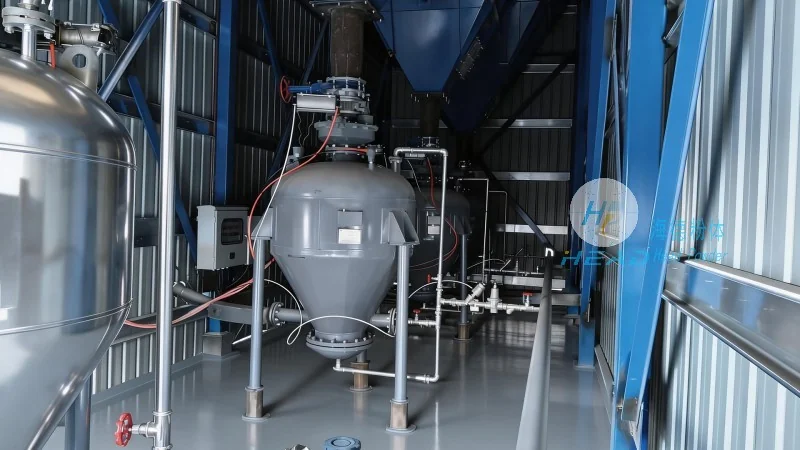
Applications and Benefits in Industrial Settings
The applications of fully automatic material handling equipment span across various industries, including manufacturing, logistics, and warehousing. In manufacturing, these systems streamline the assembly line by efficiently transporting raw materials to workstations and moving finished products to storage or packaging areas. In logistics and warehousing, they enhance order picking and inventory management, reducing the time and labor required for order fulfillment. The benefits of implementing such systems are substantial, including increased throughput, improved accuracy, and reduced operational costs. By automating material handling processes, businesses can achieve greater efficiency and competitiveness in today's fast-paced market. The integration of advanced technologies ensures that these systems remain up-to-date with evolving industry standards, providing a reliable solution for modern industrial needs. For instance, in a warehouse, a fully automatic system might use automated guided vehicles (AGVs) to transport inventory between storage racks and the shipping dock, while robotic sorters handle order picking from the shelves. This combination of technologies optimizes the entire order fulfillment process, reducing errors and increasing delivery speed. The result is a more efficient operation that meets the demands of modern e-commerce and just-in-time production models.