

Working Principle and Features of Coffee Powder Material Handling Equipment
For coffee processing facilities, efficient and reliable material handling is crucial to maintaining production efficiency and product quality. Coffee powder, being a fine and delicate product, requires specialized equipment to ensure it is transported safely and without degradation. This article explores the working principles and key features of coffee powder material handling equipment, highlighting how these systems enhance operational performance in the coffee industry.
The Working Principle of Coffee Powder Material Handling Equipment
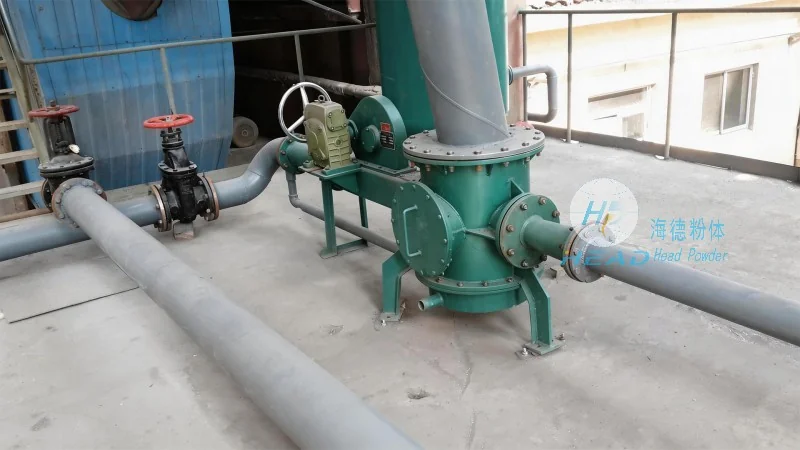
At the core of coffee powder material handling systems lies a combination of mechanical components designed to handle the unique properties of coffee powder. These systems typically operate on principles of gravity, vacuum, or pressure, depending on the specific application and layout of the processing plant. The primary working principle involves the use of conveyor belts, screw conveyors, or pneumatic transport systems to move coffee powder from one stage of production to another. For instance, a screw conveyor uses rotating helical blades to push the powder forward, while a pneumatic system employs compressed air to create a flow of particles through a pipeline. The choice of mechanism depends on factors such as the moisture content of the coffee powder, the distance to be covered, and the need for contamination control. In many cases, these systems are integrated with dust collection and filtration units to maintain a clean environment and prevent product loss.
Key Features of Coffee Powder Material Handling Equipment
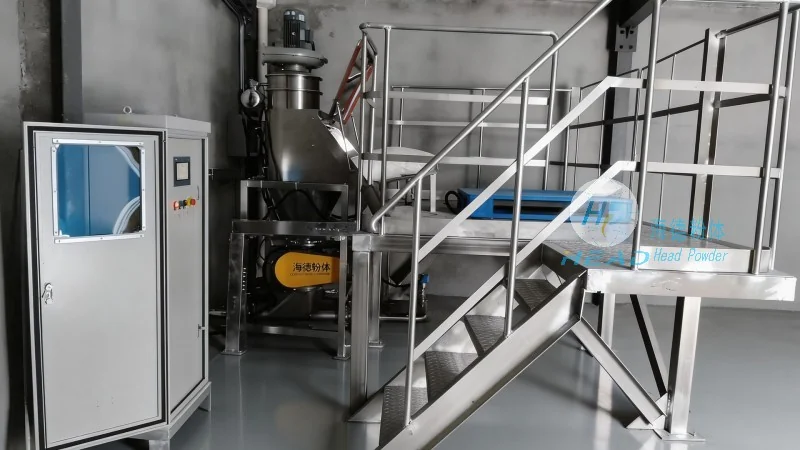
Effective coffee powder material handling equipment is characterized by several key features that address the challenges of handling fine powders. First, the equipment must be designed to minimize product degradation, such as caking or agglomeration, which can occur due to moisture absorption or friction. This is often achieved through the use of smooth, non-stick surfaces and gentle handling mechanisms. Second, the systems are typically equipped with variable speed controls, allowing operators to adjust the flow rate based on production demands and the specific characteristics of the coffee powder batch. Third, safety features are paramount, including emergency stop buttons, overload protection, and enclosed designs to prevent dust exposure and product contamination. Additionally, modern systems often incorporate sensors and monitoring systems to provide real-time data on flow rates, pressure, and material levels, enabling proactive maintenance and process optimization. The integration of these features ensures that coffee powder is handled with precision and care, preserving its quality from raw bean to final product.
Application Examples and Benefits
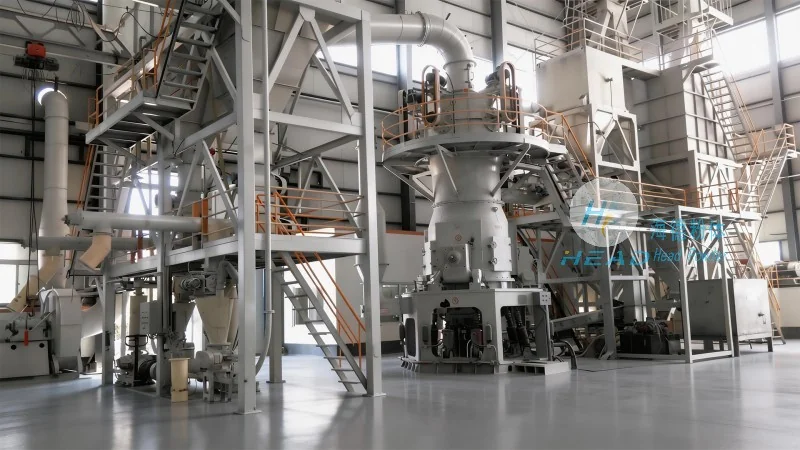
The application of coffee powder material handling equipment varies across different stages of coffee processing. In the drying and roasting phase, equipment may be used to transport roasted beans to grinding units, where they are converted into fine powder. During the grinding process, conveyor systems help move the freshly ground coffee to packaging areas, ensuring a continuous flow of product. In larger production facilities, multiple handling systems may be interconnected to form a closed-loop system, reducing waste and improving overall efficiency. The benefits of using specialized equipment extend beyond operational efficiency; they also contribute to product consistency and safety. By maintaining a controlled environment and preventing cross-contamination, these systems help meet regulatory standards and enhance brand reputation. Furthermore, the ability to customize equipment to specific production needs allows coffee manufacturers to adapt to changing market demands and scale their operations as required.
Conclusion and Company Overview
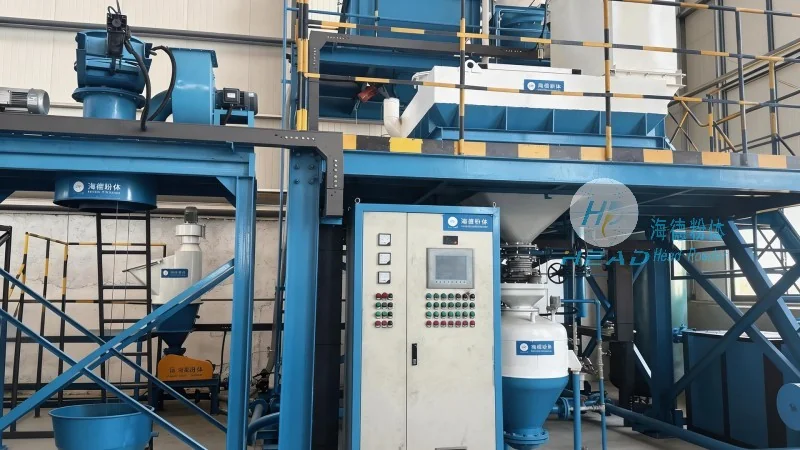
Understanding the working principles and features of coffee powder material handling equipment is essential for coffee processing facilities aiming to optimize their operations and maintain product quality. The systems discussed here, developed by Shandong HeadPowder Engineering Co., Ltd., a leading manufacturer in the industry, combine advanced engineering with practical design to address the unique challenges of handling coffee powder. With a focus on efficiency, safety, and product preservation, these systems are instrumental in supporting the growth and success of coffee businesses worldwide. By investing in high-quality material handling equipment, coffee manufacturers can enhance their production capabilities, reduce operational costs, and deliver superior products to their customers.