

Working Principle and Features of Glass Waste Material Conveying Equipment
For industrial operations dealing with glass waste, efficient and reliable material handling is crucial. Glass waste, often generated from recycling processes or manufacturing byproducts, requires specialized equipment to ensure safe and effective transportation. The glass waste material conveying equipment, developed by Shandong HeadPowder Engineering Co., Ltd. (referred to as HeadPowder), is designed to address these challenges by providing a robust solution for moving glass waste through various stages of processing. This equipment plays a vital role in optimizing workflow, enhancing safety, and improving overall operational efficiency in glass recycling and waste management facilities.
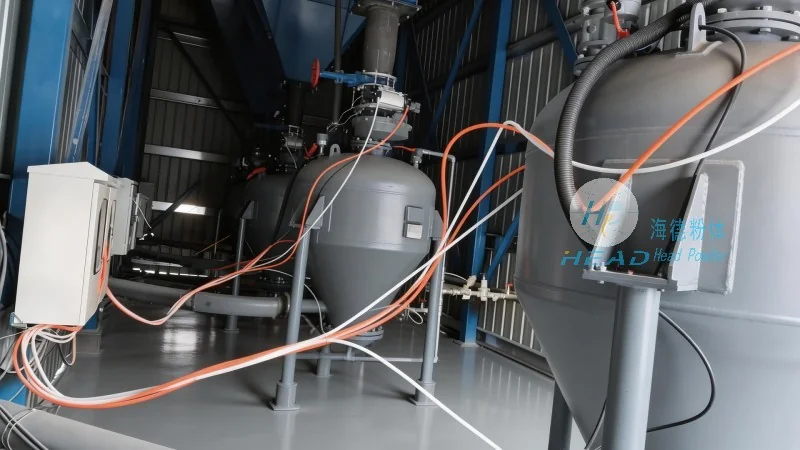
Working Principle of Glass Waste Material Conveying Equipment
The core of the glass waste material conveying equipment lies in its mechanical design, which is engineered to handle the unique properties of glass waste. The system typically operates on a continuous motion principle, utilizing components such as conveyor belts, rollers, or screw conveyors to transport glass fragments, shards, and other waste materials. The equipment is constructed with durable materials, such as stainless steel or high-strength polymers, to withstand the abrasive nature of glass and prevent wear and tear over time. A key component is the feeding mechanism, which can be a hopper or a feeding hopper that collects glass waste and feeds it into the conveyor system. The conveyor then moves the material along a predetermined path, often to a processing unit or storage area. The control system, integrated into the equipment, allows for precise regulation of speed and direction, ensuring smooth and controlled movement of the glass waste. This automated operation minimizes human intervention, reducing the risk of accidents and improving consistency in material handling.
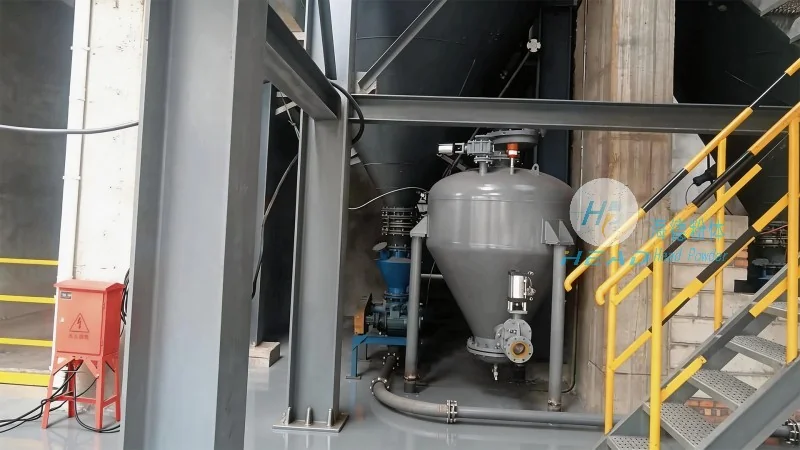
Key Features of Glass Waste Material Conveying Equipment
HeadPowder's glass waste material conveying equipment is distinguished by several advanced features that enhance its performance and usability. One of the primary features is its high efficiency in material transport, achieved through optimized conveyor speed and capacity. The equipment is designed to handle varying loads of glass waste, from small fragments to larger pieces, without compromising on speed or reliability. Another notable feature is the durability and low maintenance requirements. The use of high-quality materials and robust construction ensures that the equipment can operate continuously for extended periods with minimal downtime. Safety is also a critical feature, with built-in safety guards and emergency stop mechanisms to protect operators and prevent accidents. The equipment is also equipped with monitoring systems that provide real-time data on operational status, such as speed, load, and temperature, allowing for proactive maintenance and troubleshooting. Additionally, the modular design of the equipment allows for easy customization and integration with existing industrial systems, making it adaptable to different facility layouts and processing needs. The equipment's energy efficiency is another advantage, with optimized motor and drive systems reducing power consumption while maintaining performance.
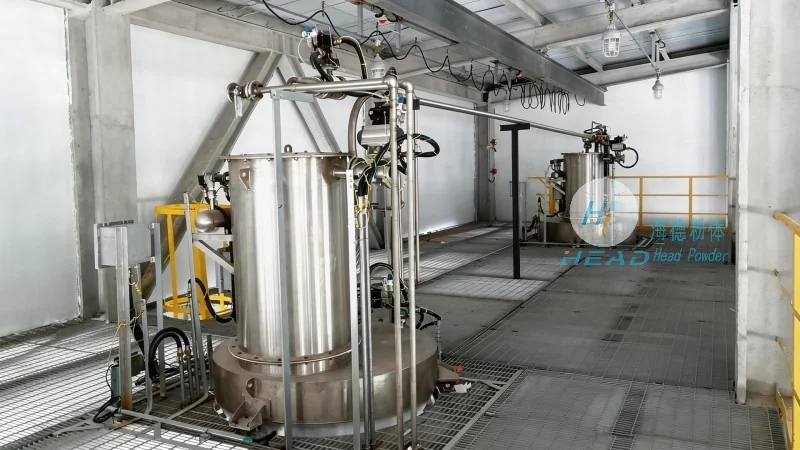
Benefits of Using Glass Waste Material Conveying Equipment
Implementing glass waste material conveying equipment offers numerous benefits for industrial facilities. The most significant advantage is the improvement in operational efficiency, as the equipment automates the material handling process, reducing the time and labor required for manual transport. This leads to increased productivity and faster processing times, which is crucial for maintaining high throughput in glass recycling operations. The equipment also enhances safety by minimizing the need for manual handling of glass waste, which can be hazardous due to sharp edges and potential breakage. By automating the process, the risk of injuries and accidents is significantly reduced. Another benefit is the consistency in material handling, as the equipment ensures uniform movement of glass waste, preventing jams or uneven distribution that could affect downstream processing. The durability and low maintenance of the equipment also contribute to cost savings over time, as it requires less frequent repairs and replacements compared to less robust systems. Furthermore, the equipment's adaptability allows facilities to scale their operations as needed, without the need for major overhauls or replacements. This flexibility is particularly valuable for facilities that experience fluctuations in glass waste volume or processing requirements.
Application Scenarios and Industry Use Cases
The glass waste material conveying equipment is widely used in various industrial applications, particularly in the glass recycling and manufacturing sectors. In glass recycling plants, the equipment is used to transport glass waste from collection points to processing units, such as crushers or sorters. It efficiently moves the material through the initial stages of recycling, ensuring that the waste is properly prepared for further processing. In glass manufacturing facilities, the equipment is used to transport raw glass materials or waste from production lines to storage or disposal areas. The equipment is also utilized in waste management facilities that handle glass waste from residential or commercial sources, helping to streamline the collection and processing of this material. The versatility of the equipment makes it suitable for a range of applications, from small-scale recycling operations to large industrial plants. Its ability to handle different types of glass waste, including different colors and compositions, makes it a valuable asset in facilities that process mixed glass materials. The equipment's compatibility with other processing equipment, such as sorting machines or grinding units, allows for seamless integration into existing workflows, enhancing overall operational efficiency.
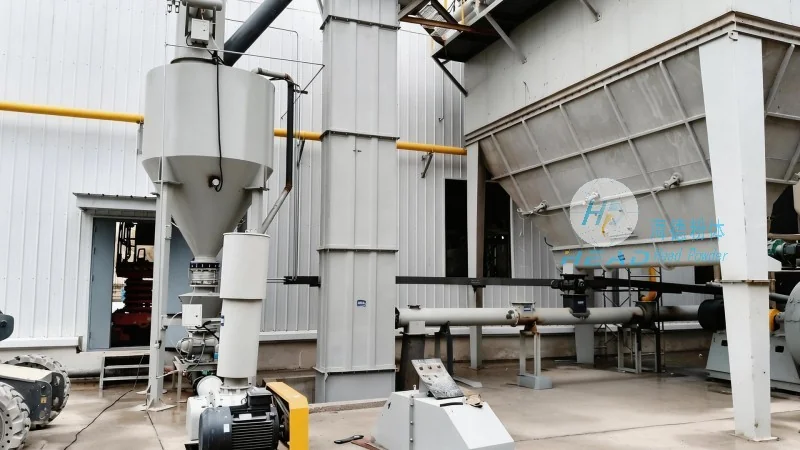
Conclusion and Company Overview
Glass waste material conveying equipment, as developed by Shandong HeadPowder Engineering Co., Ltd., represents a significant advancement in material handling technology for glass waste management. The equipment's working principle, based on efficient mechanical transport, combined with its advanced features, provides a reliable and durable solution for industrial facilities. By automating the material handling process, the equipment enhances operational efficiency, improves safety, and reduces costs, making it an essential component for modern glass recycling and waste management operations. HeadPowder, with its expertise in engineering and manufacturing, continues to innovate and provide high-quality equipment that meets the evolving needs of the industry. The company's commitment to quality and customer satisfaction ensures that its glass waste material conveying equipment remains a trusted choice for facilities worldwide. With its focus on durability, efficiency, and adaptability, the equipment is well-positioned to support the growth and sustainability of the glass industry for years to come.