

Working Principle and Features of Iron Powder Material Conveying Lines
Iron powder material conveying lines are essential in industrial settings where the efficient and safe handling of iron powder is required. These systems are designed to transport iron powder from one location to another within a production facility, ensuring smooth operations and maintaining product quality. Understanding the working principle and key features of such lines is crucial for industries that rely on iron powder in their manufacturing processes.
Working Principle of Iron Powder Material Conveying Lines
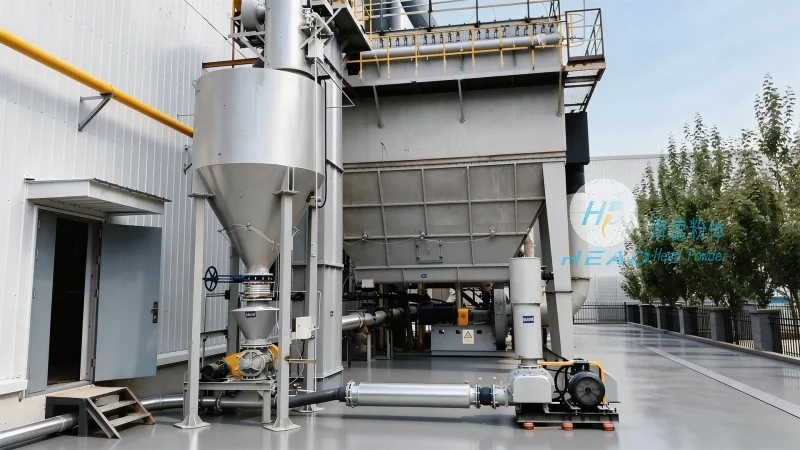
The core working principle of iron powder material conveying lines involves the use of specialized equipment to move iron powder through a system of pipes, hoppers, and control mechanisms. The process typically begins with the storage of iron powder in a hopper or silo, where it is held under controlled conditions to prevent caking or agglomeration. From the storage hopper, the iron powder is fed into a conveyor system, which may include screw conveyors, pneumatic conveyors, or belt conveyors, depending on the specific requirements of the application.
Screw conveyors are commonly used for horizontal or slight incline transport of iron powder. They consist of a rotating screw within a cylindrical tube, which pushes the material forward as it rotates. This method is effective for handling dry iron powder and can be adjusted for different flow rates by modifying the speed of the screw. Pneumatic conveyors, on the other hand, use air pressure to transport iron powder through a network of pipes. This method is particularly useful for transporting iron powder over longer distances or in complex layouts, as it can navigate vertical and horizontal changes with ease. The iron powder is carried in the air stream, which helps to prevent dust accumulation and maintain a clean environment.
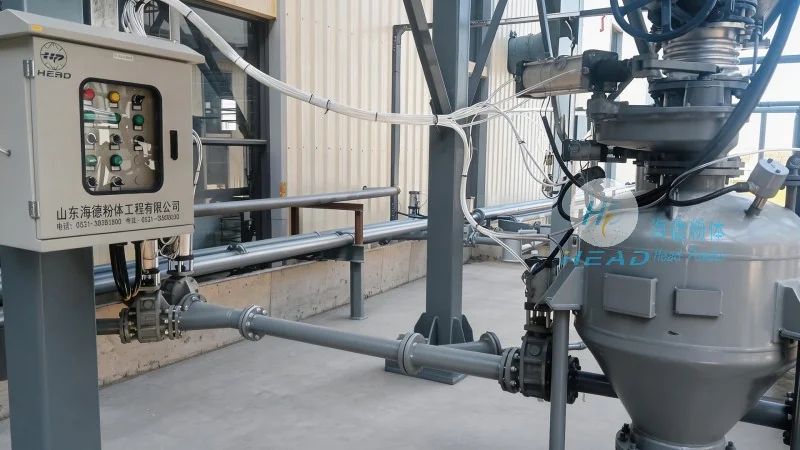
Once the iron powder reaches its destination, it is discharged into a receiving hopper or processing unit. The entire system is controlled by a series of sensors and control valves that monitor the flow rate, pressure, and level of the iron powder. This ensures that the conveying process is efficient and that any potential issues, such as blockages or overfilling, are detected and addressed promptly. The control system may also include features like automatic shut-off valves and alarm systems to enhance safety and operational reliability.
Key Features of Iron Powder Material Conveying Lines
Several key features distinguish high-quality iron powder material conveying lines, making them suitable for demanding industrial applications. One of the most important features is the ability to handle iron powder without causing degradation or contamination. This is achieved through the use of materials that are resistant to corrosion and wear, such as stainless steel or special alloys, which come into contact with the iron powder. The conveyor components are also designed to minimize friction and abrasion, ensuring that the iron powder remains in its original state throughout the conveying process.
Another critical feature is the system's ability to maintain a consistent flow rate. This is essential for maintaining the quality of the iron powder and ensuring that downstream processes, such as mixing or compounding, receive a steady supply. The conveying lines are equipped with variable speed drives and flow control devices that allow operators to adjust the flow rate as needed, adapting to changes in production demand or material characteristics.
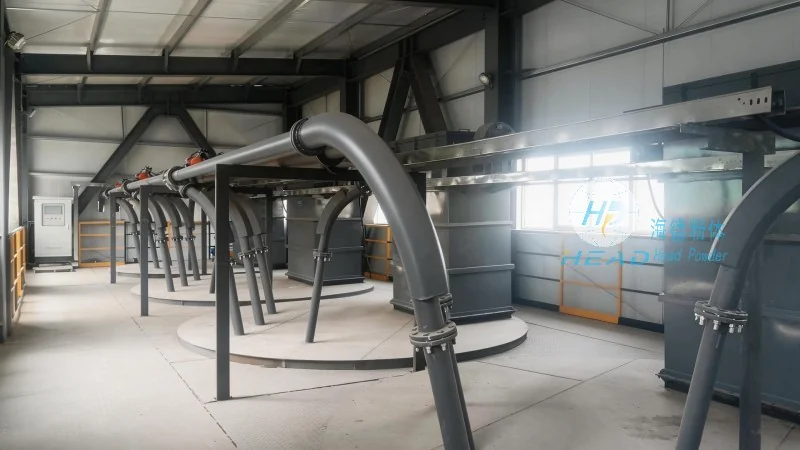
Efficiency and energy conservation are also key considerations in modern iron powder material conveying lines. Advanced systems incorporate energy-efficient motors and control strategies that minimize power consumption while maintaining optimal performance. Additionally, the design of the conveying line, including the use of compact layouts and minimal bends, reduces the energy required to move the iron powder, further enhancing overall efficiency.
Reliability and durability are paramount in industrial applications, and iron powder material conveying lines are engineered to withstand the rigors of continuous operation. The components are constructed from high-quality materials that can withstand the abrasive nature of iron powder and the corrosive effects of any moisture or contaminants. Regular maintenance and inspection are recommended to ensure the longevity of the system, but the robust design minimizes the need for frequent repairs.
Application and Industry Relevance
Iron powder material conveying lines are widely used in various industries that rely on iron powder as a raw material. These include the manufacturing of magnetic materials, steel production, and the production of iron-based alloys. In the magnetic materials industry, for example, iron powder is used to produce magnetic cores and components, and the conveying line ensures that the iron powder is delivered to the mixing and pressing processes in a consistent and controlled manner. In steel production, iron powder may be used as a feedstock for certain types of steel, and the conveying line facilitates the transport of the powder from storage to the furnace or other processing equipment.
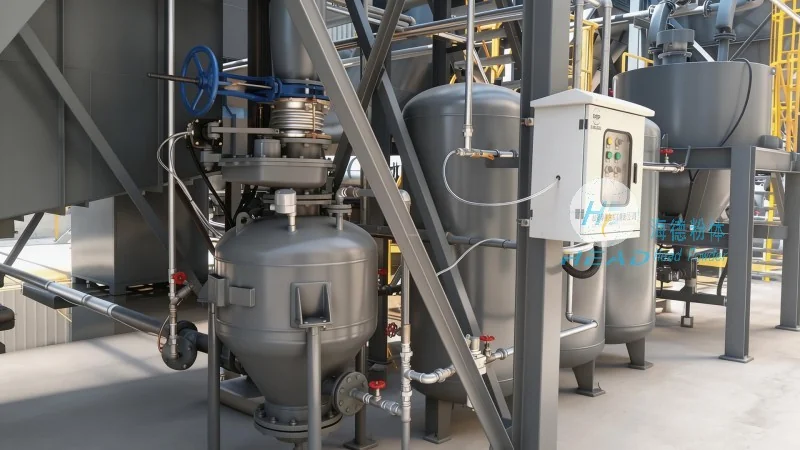
The features and working principles of iron powder material conveying lines make them indispensable in these industries. The ability to handle iron powder efficiently, safely, and with minimal degradation ensures that production processes run smoothly and that the final products meet the required specifications. As a result, companies that invest in high-quality conveying lines can improve their operational efficiency, reduce downtime, and enhance the quality of their products.
Conclusion
In summary, iron powder material conveying lines are sophisticated systems that play a vital role in the handling and transport of iron powder in industrial settings. Their working principle, which involves the use of specialized equipment to move iron powder through a controlled system, ensures efficient and safe operation. Key features such as corrosion resistance, consistent flow control, energy efficiency, and durability make these lines suitable for demanding applications. By understanding the working principle and features of iron powder material conveying lines, industries can make informed decisions when selecting the right equipment for their production needs, ultimately improving their overall operational performance and product quality.