

Working Principle and Features of Pneumatic Conveying Equipment for Glucose Material
For industries dealing with glucose material, efficient and reliable material handling is crucial. Pneumatic conveying equipment has emerged as a preferred solution, offering a clean, low-cost, and flexible method for transporting glucose and other similar bulk materials. This article explores the working principle and key features of such equipment, with a focus on applications in the glucose processing sector.
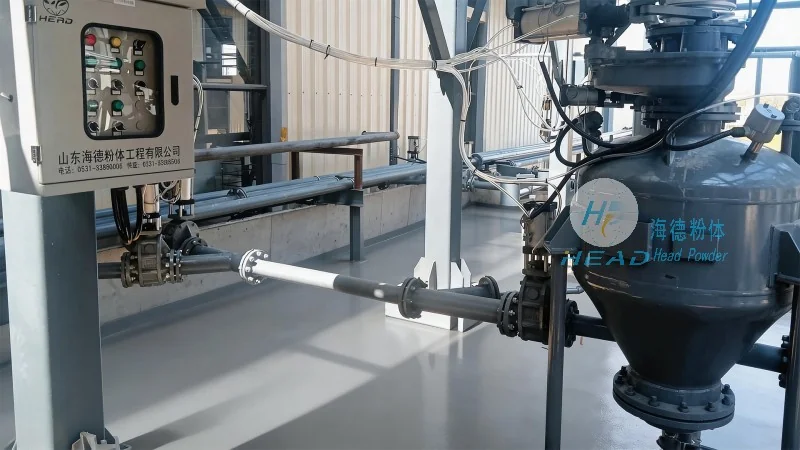
Overview of Pneumatic Conveying Systems for Glucose Material
Pneumatic conveying systems utilize air or gas to transport bulk materials like glucose through a pipeline network. These systems are designed to handle materials that are sensitive to contamination, require hygienic handling, or need to be moved over long distances without degradation. The choice between different types of pneumatic conveyors—such as suction (or vacuum) systems and pressure systems—depends on factors like the material's properties, the distance to be covered, and the required throughput.
The Working Principle of Pneumatic Conveying Equipment
The core mechanism of pneumatic conveying equipment involves creating a pressure differential to move material through a pipeline. In a typical suction system, a vacuum pump generates a low pressure at the inlet, drawing material from the source into the pipeline. The material is then mixed with air and carried to the discharge point, where the air is separated from the material and the material is discharged. Conversely, pressure systems use a blower or compressor to create high pressure at the discharge end, pushing material through the pipeline from the source to the destination. For glucose material, which is often in granular or powdered form, these systems are optimized to prevent agglomeration and maintain material integrity during transport.
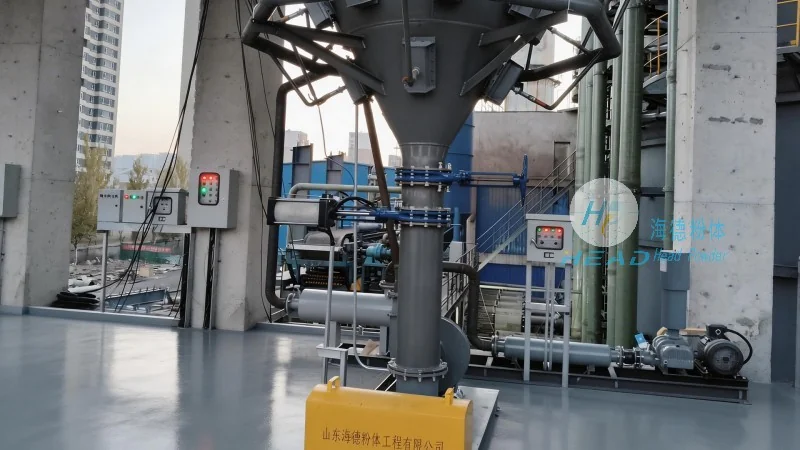
Key Features of Pneumatic Conveying Equipment for Glucose Material
When selecting pneumatic conveying equipment for glucose processing, several features are critical to ensure optimal performance and compliance with industry standards. These include:
1. Hygienic Design and Material Compatibility: The equipment is constructed from materials that are resistant to corrosion and easy to clean, such as stainless steel. This is essential for maintaining the purity of glucose and preventing cross-contamination, which is a major concern in food and pharmaceutical industries.
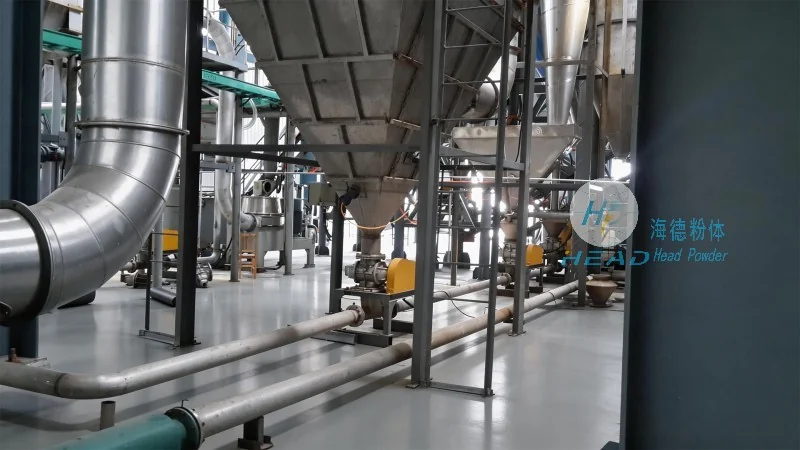
2. Efficient Material Handling and Low Maintenance: Pneumatic conveying systems offer high throughput with minimal moving parts, reducing wear and tear and lowering maintenance costs. This is particularly beneficial for continuous glucose production lines where uptime is critical.
3. Flexibility in Layout and Scalability: The modular design of these systems allows for easy integration into existing production facilities and can be scaled up or down to accommodate varying production volumes. This adaptability is valuable for glucose manufacturers that may experience fluctuations in demand.
4. Energy Efficiency and Environmental Considerations: Modern pneumatic conveying equipment is designed to minimize energy consumption while maintaining performance. Some systems incorporate energy recovery mechanisms to reduce operational costs and environmental impact, aligning with sustainability goals in the industry.
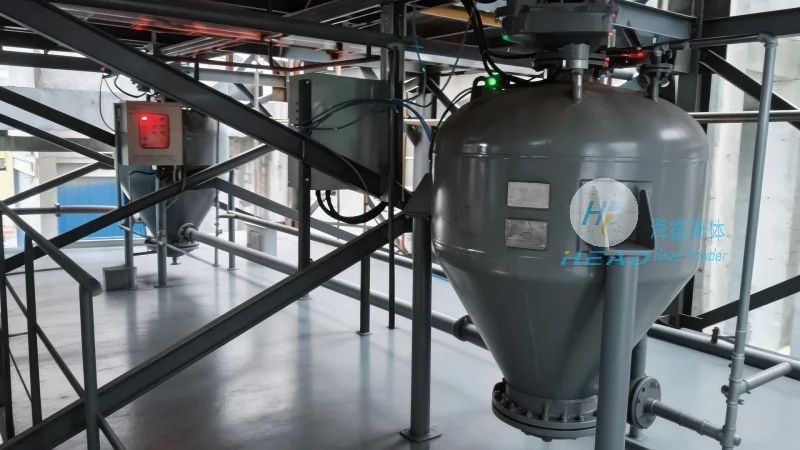
Application-Specific Considerations for Glucose Material
Glucose, being a hygroscopic and fine-grained material, presents unique challenges during transport. Pneumatic conveying systems are tailored to address these challenges by controlling air flow rates, particle size distribution, and temperature. For example, the use of cyclone separators and filters ensures that fine glucose particles are not lost or re-entrained in the air stream, maintaining product quality. Additionally, the system's ability to handle variations in moisture content without clogging or degradation is a key feature.
Conclusion
Pneumatic conveying equipment provides an effective solution for the transportation of glucose material, combining efficiency, hygiene, and flexibility. By understanding the working principles and key features of these systems, manufacturers can optimize their material handling processes, improve product quality, and reduce operational costs. As a leading provider in this field, Shandong HeadPowder Engineering Co., Ltd. specializes in designing and manufacturing customized pneumatic conveying solutions tailored to the specific needs of glucose processing industries.