

Working Principle and Features of High-Temperature Ash Pneumatic Conveying Lines
High-temperature ash material pneumatic conveying systems are critical components in industrial applications, particularly in power plants and thermal processing facilities. These systems are designed to transport hot ash and other particulate materials from one location to another using a combination of air pressure and vacuum. The technology offers a reliable and efficient method for handling high-temperature materials that are often difficult to manage with traditional mechanical conveyors.
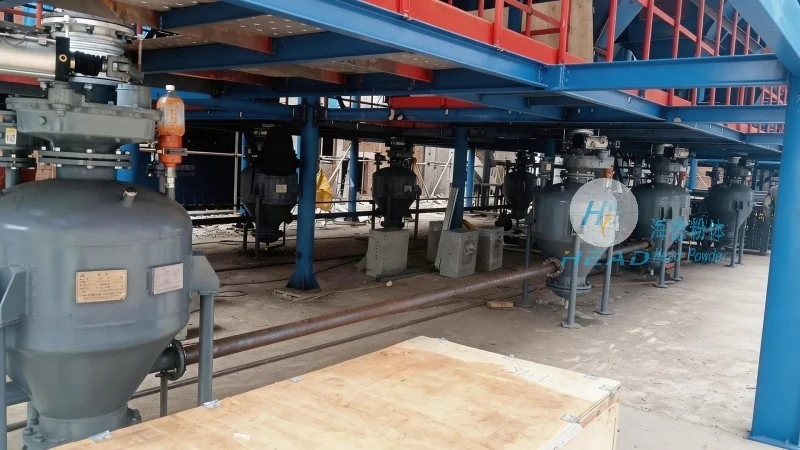
Working Principle of High-Temperature Ash Pneumatic Conveying Lines
The core working principle of a high-temperature ash pneumatic conveying line involves the use of a blower or compressor to generate airflow. This airflow is directed through a pipeline system that transports the ash particles. The system typically operates under positive pressure or negative pressure, depending on the specific application and material characteristics. In positive pressure systems, air is forced through the pipeline, carrying the ash particles along with it. Negative pressure systems, on the other hand, create a vacuum that draws the ash particles into the pipeline. The choice between positive and negative pressure depends on factors such as the distance to be covered, the material's density, and the required flow rate.
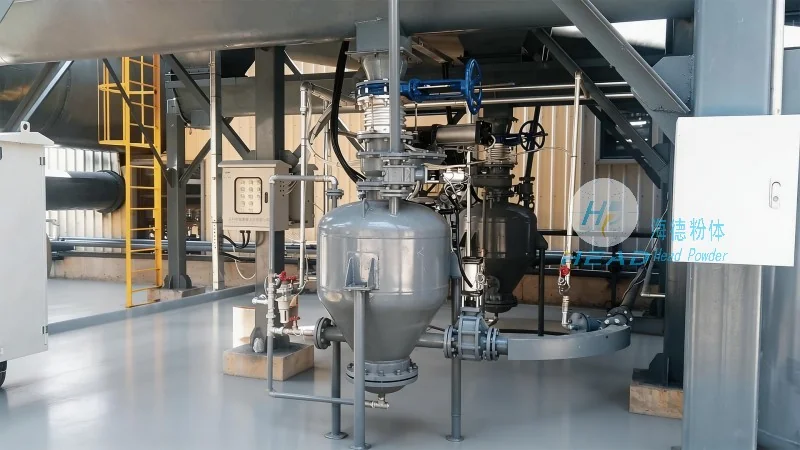
Key Features of High-Temperature Ash Pneumatic Conveying Systems
High-temperature ash pneumatic conveying systems from Shandong HeadPowder Engineering Co., Ltd. (headpowder) are engineered with several key features that enhance their performance and reliability. One of the primary features is the ability to handle materials at elevated temperatures, typically ranging from 200°C to 800°C, without compromising the system's integrity. This is achieved through the use of specialized materials for the pipeline and components, such as stainless steel or heat-resistant alloys, which can withstand the thermal stress. Another important feature is the system's flexibility in terms of layout and configuration. The modular design allows for easy integration into existing plant infrastructure, with options for straight-line, curved, or branched pipelines to accommodate various spatial constraints. Additionally, the systems are equipped with advanced control mechanisms that ensure stable operation and prevent blockages or overloading. These controls may include pressure sensors, flow meters, and automatic shut-off valves that respond to changes in system conditions.
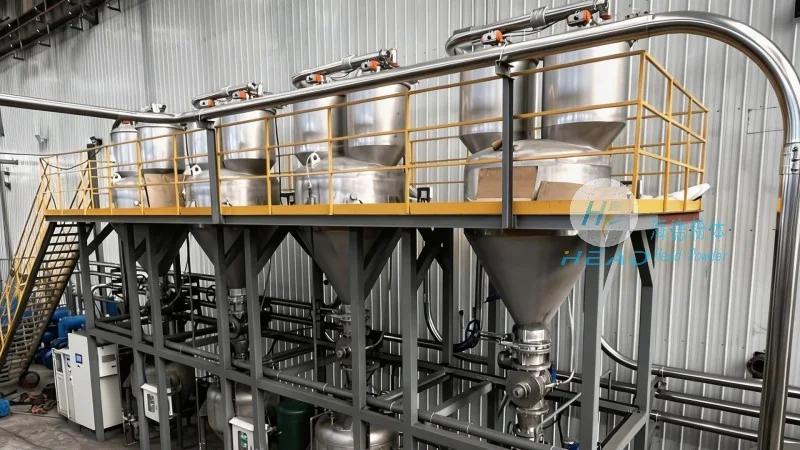
Advantages of Using High-Temperature Ash Pneumatic Conveying Systems
Implementing high-temperature ash pneumatic conveying systems offers several advantages over traditional methods. First, the systems provide a dust-free and enclosed environment, which significantly reduces the risk of airborne particulate emissions and improves workplace safety. This is particularly important in facilities where air quality regulations are stringent. Second, the systems are highly efficient in terms of energy consumption. By using air as the conveying medium, the energy required to move the material is considerably lower compared to mechanical conveyors that rely on moving parts and friction. Third, the systems offer a compact design, which saves valuable floor space in industrial plants. The absence of large, heavy machinery and moving parts also reduces maintenance requirements and operational costs. Furthermore, the systems are capable of handling a wide range of ash compositions, including fly ash, bottom ash, and boiler ash, making them versatile for different power generation and thermal processing applications.
Applications and Industries Served by High-Temperature Ash Pneumatic Conveying Systems
High-temperature ash pneumatic conveying systems are widely used in various industries, with a primary focus on power generation and thermal energy production. In power plants, these systems are employed to transport ash from the boiler to ash storage facilities or for further processing. The systems are also utilized in cement production plants, where ash is used as a supplementary cementitious material. Additionally, they are found in industrial thermal processing facilities, such as steel mills and chemical plants, where high-temperature ash is generated as a byproduct. The systems are particularly beneficial in applications where the ash needs to be transported over long distances or through complex layouts, as the pneumatic method provides a flexible and reliable solution.
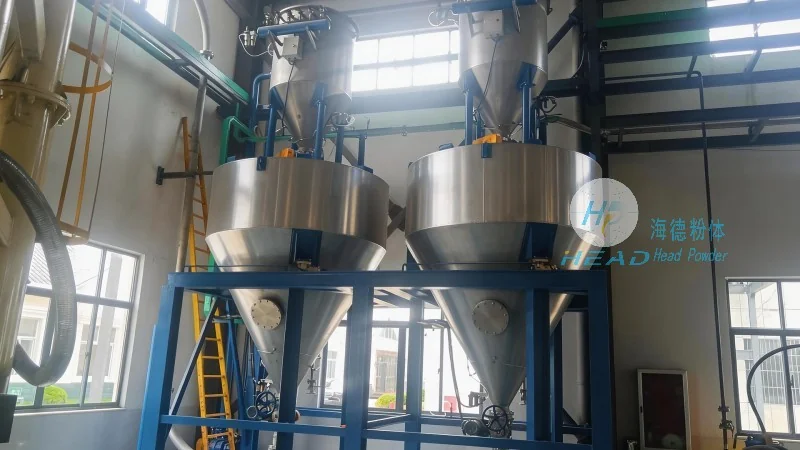
Technical Specifications and Customization Options
Shandong HeadPowder Engineering Co., Ltd. offers a range of high-temperature ash pneumatic conveying systems with customizable specifications to meet the specific needs of each client. The systems can be tailored in terms of pipeline diameter, material of construction, and airflow capacity. For example, the pipeline diameter can be selected based on the required material flow rate, with options ranging from small diameters for low-volume applications to larger diameters for high-volume transport. The material of construction is chosen based on the temperature and chemical properties of the ash, with stainless steel being a common choice for high-temperature applications due to its corrosion resistance and thermal stability. The airflow capacity is determined by the system's blower or compressor size, which can be adjusted to match the desired conveying speed and distance. Additionally, the systems can be equipped with accessories such as filters, cyclones, and dust collectors to enhance the overall performance and ensure compliance with environmental regulations.