

Principle and Working Scenario Characteristics of Dry Flue Gas Desulfurization Systems
Dry flue gas desulfurization (FGD) systems are critical technologies used in power generation and industrial facilities to reduce sulfur dioxide (SO₂) emissions. These systems operate by converting SO₂ into solid byproducts through chemical reactions, typically involving sorbents like limestone or calcium-based materials. The process is distinct from wet FGD systems, as it does not rely on liquid scrubbing solutions, making it suitable for various industrial applications.
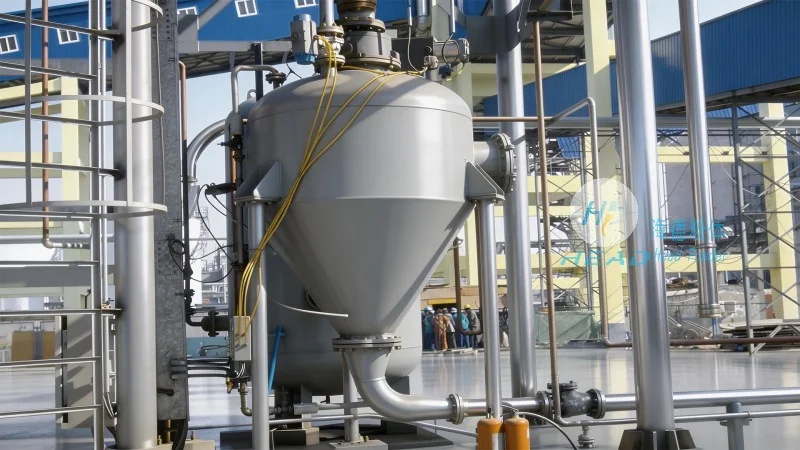
Core Principles of Dry FGD Technology
The fundamental principle of dry FGD systems involves the interaction between flue gases and a dry sorbent material. When flue gases, rich in SO₂, pass through a bed of sorbent particles, the sulfur dioxide reacts with the calcium compounds present in the sorbent. This reaction forms calcium sulfite or calcium sulfate, which are then captured as solid residues. The efficiency of this process depends on several factors, including the type of sorbent, the temperature of the flue gas, and the contact time between the gas and the sorbent. Advanced dry FGD systems often incorporate additives or catalysts to enhance the reaction rate and improve overall desulfurization efficiency.
Working Scenario Characteristics
Dry FGD systems are particularly advantageous in scenarios where space constraints or water availability are limited. For instance, in power plants located in arid regions or areas with strict water usage regulations, dry FGD provides a viable solution for compliance with environmental standards. The technology is also suitable for retrofitting existing facilities, as it can be integrated into existing flue gas treatment infrastructure with minimal modifications. Additionally, dry FGD systems offer benefits such as lower operating costs compared to wet systems, reduced corrosion risks, and the ability to handle high-temperature flue gases without the need for cooling.
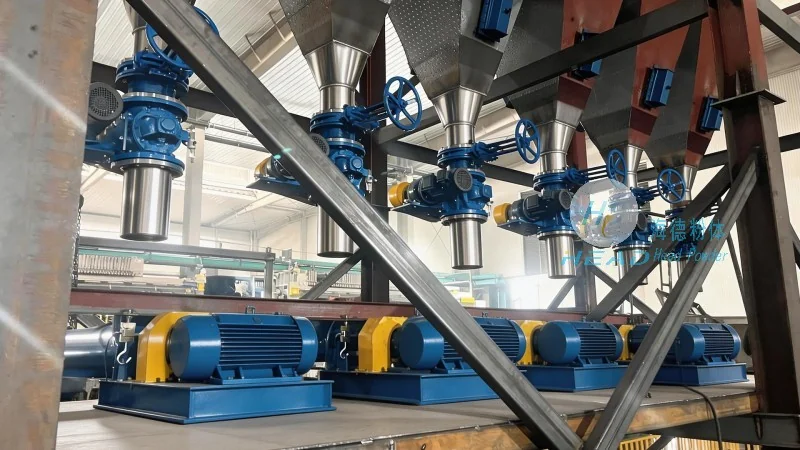
Application Examples and Industry Use Cases
Shandong HeadPowder Engineering Co., Ltd. specializes in the design, manufacturing, and installation of dry FGD systems for a wide range of industrial applications. The company's expertise lies in tailoring solutions to meet specific client needs, ensuring optimal performance and compliance with local environmental regulations. For example, in coal-fired power plants, dry FGD systems are commonly used to reduce SO₂ emissions, contributing to cleaner air and reduced environmental impact. In addition, the technology is applied in industrial processes such as cement production, where flue gases from kilns require desulfurization to meet emission limits.
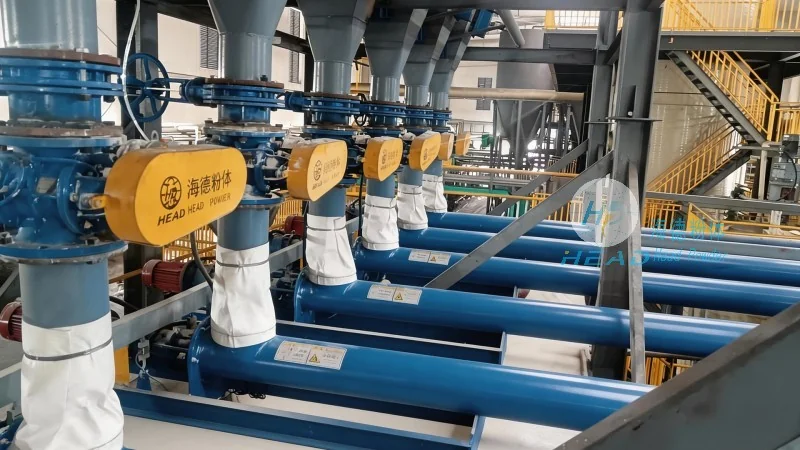
Technical Advantages and Operational Considerations
Compared to wet FGD systems, dry FGD offers several technical advantages. These include lower water consumption, reduced wastewater treatment requirements, and the ability to handle high-temperature gases. However, the system also presents operational considerations, such as the need for precise control of sorbent feed rates and gas flow to maintain optimal desulfurization efficiency. Regular maintenance of the sorbent bed and equipment is essential to ensure consistent performance and prevent downtime. Shandong HeadPowder Engineering Co., Ltd. provides comprehensive support, including system optimization and maintenance services, to help clients maximize the operational efficiency of their dry FGD systems.
About Shandong HeadPowder Engineering Co., Ltd.
Shandong HeadPowder Engineering Co., Ltd., a leading provider of industrial environmental solutions, is headquartered in Shandong, China. The company focuses on developing and implementing advanced dry flue gas desulfurization systems tailored to meet the diverse needs of power and industrial sectors. With a commitment to innovation and quality, HeadPowder Engineering delivers reliable and efficient solutions that help clients achieve compliance with environmental regulations while optimizing operational costs.