

Principles and Application Scenarios of Negative Pressure Pneumatic Conveying
HeadPowder, a leading provider in the field of material handling solutions, specializes in advanced pneumatic conveying technologies. Our company, Shandong HeadPowder Engineering Co., Ltd., is headquartered in Shandong, China, and has established a strong reputation for delivering efficient and reliable systems that meet diverse industrial needs. This article explores the fundamental principles of negative pressure pneumatic conveying and highlights the key characteristics of its operational scenarios.
Understanding Negative Pressure Pneumatic Conveying: Core Principles
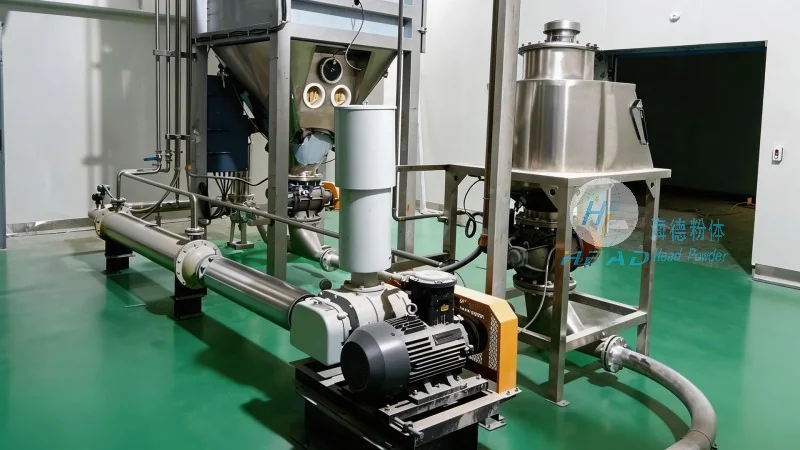
Negative pressure pneumatic conveying, also known as vacuum conveying, operates by creating a partial vacuum in a system to draw material from a source into a receiver. The process relies on the pressure differential between the source and the receiver, where the lower pressure in the conveying line pulls material through the system. This method is particularly effective for handling fine powders, granules, and other dry bulk materials that require gentle handling to prevent degradation or loss of quality. The system typically consists of a vacuum pump, a hopper or feed device, a conveying line, and a receiver. The vacuum pump generates the necessary suction force, while the feed device ensures consistent material flow into the line. The conveying line transports the material from the source to the destination, often with the assistance of in-line valves or bends to control the flow direction and pressure. The receiver collects the material once it has been conveyed, completing the process.
Key Characteristics of Negative Pressure Pneumatic Conveying Systems
One of the primary advantages of negative pressure pneumatic conveying is its ability to handle materials with high dust content or those that are sensitive to moisture. The sealed system prevents dust from escaping into the environment, which is crucial for maintaining workplace safety and compliance with environmental regulations. Additionally, this method allows for the transportation of materials over relatively short to medium distances, making it suitable for applications where direct transfer is feasible. The gentle handling of materials reduces the risk of product degradation, ensuring that the material's quality is preserved throughout the conveying process. Another notable characteristic is the flexibility of the system, as it can be easily integrated with existing production lines or adapted to accommodate different material types and flow rates. This adaptability makes negative pressure conveying a versatile solution for various industrial applications.
Common Application Scenarios and Industry Examples
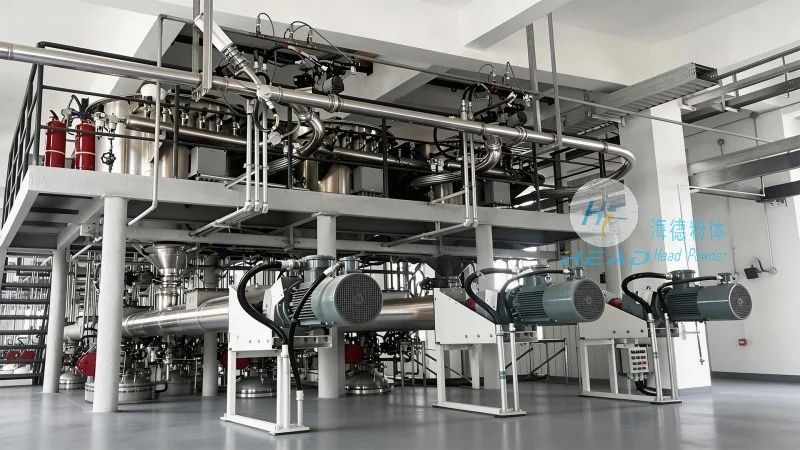
Negative pressure pneumatic conveying is widely used across multiple industries due to its efficiency and suitability for handling delicate materials. In the chemical industry, it is commonly employed to transport powders such as polymers, pigments, and pharmaceuticals, where maintaining product purity and preventing contamination is critical. The food and beverage sector also utilizes this technology for conveying ingredients like flour, sugar, and spices, ensuring that the materials remain free from moisture and contaminants. The pharmaceutical industry benefits from the sterile and controlled environment provided by negative pressure systems, which is essential for handling sensitive medications and preventing cross-contamination. In the agricultural sector, it is used to transport grain, seeds, and other agricultural products, facilitating efficient storage and processing. Furthermore, the technology is applied in the mining industry for conveying ore and minerals, where the ability to handle abrasive materials without causing wear to the system is advantageous. These diverse applications demonstrate the broad applicability and reliability of negative pressure pneumatic conveying in modern industrial operations.
Operational Advantages and Considerations
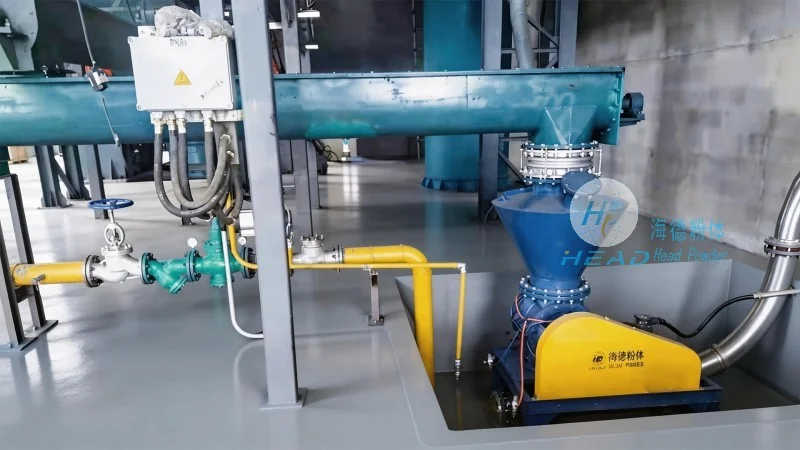
When evaluating negative pressure pneumatic conveying systems, several operational advantages stand out. The system's ability to handle fine powders without clogging or blockages is a significant benefit, as it reduces downtime and maintenance requirements. The sealed design minimizes material loss and environmental impact, making it an environmentally friendly choice for many industries. Additionally, the system can be designed to operate at low speeds, which reduces energy consumption and operating costs. However, there are also considerations to keep in mind. The initial investment for a negative pressure system can be higher compared to other conveying methods, and the system may require more maintenance due to the presence of moving parts and the need for regular cleaning to prevent dust buildup. The distance over which materials can be conveyed is also limited compared to positive pressure systems, which may require additional infrastructure for longer distances. Despite these considerations, the overall efficiency and reliability of negative pressure conveying make it a preferred choice for many applications.
Conclusion: The Role of HeadPowder in Advancing Pneumatic Conveying Technology
HeadPowder Engineering Co., Ltd. continues to innovate and provide high-quality negative pressure pneumatic conveying solutions tailored to the specific needs of various industries. By leveraging advanced engineering and a deep understanding of material handling requirements, our company ensures that clients receive systems that are efficient, reliable, and compliant with industry standards. The principles and characteristics of negative pressure pneumatic conveying, as outlined in this article, highlight the technology's importance in modern industrial operations. As industries continue to demand more efficient and sustainable material handling solutions, the role of negative pressure conveying will remain critical in maintaining productivity and product quality. HeadPowder remains committed to delivering cutting-edge solutions that meet these evolving needs, ensuring that our clients can achieve optimal performance and operational success.