

Principle and Working Scene Characteristics of Sodium Bicarbonate Pneumatic Conveying Equipment
HeadPowder, a leading manufacturer based in Shandong, China, specializes in providing advanced pneumatic conveying solutions for sodium bicarbonate. This article explores the fundamental principles behind such equipment and highlights the key characteristics of its operational scenarios.
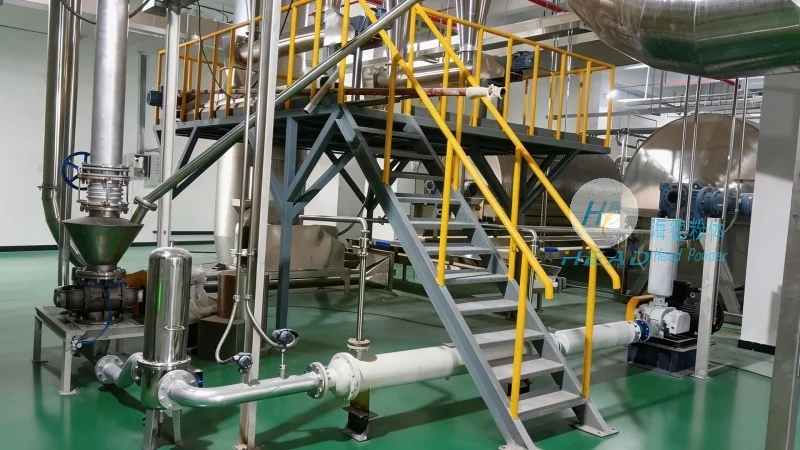
Introduction to Sodium Bicarbonate Pneumatic Conveying Equipment
Sodium bicarbonate, commonly known as baking soda, is a widely used chemical in various industries including food processing, pharmaceuticals, and chemical manufacturing. The efficient and safe transportation of this material from storage to processing units is crucial for maintaining production efficiency and product quality. Pneumatic conveying equipment offers a reliable method for handling sodium bicarbonate, leveraging air pressure to move the material through a system of pipes and components.
The Working Principle of Pneumatic Conveying Systems
The core principle of pneumatic conveying for sodium bicarbonate involves using compressed air to create a flow that transports the solid particles. There are two main types of pneumatic conveying systems: dilute-phase and dense-phase. In dilute-phase systems, the material is suspended in a high-velocity air stream, allowing for long-distance transport with minimal pressure drop. Dense-phase systems, on the other hand, use lower air velocities and higher material concentrations, which is often preferred for handling delicate or abrasive materials like sodium bicarbonate to prevent degradation or blockages.
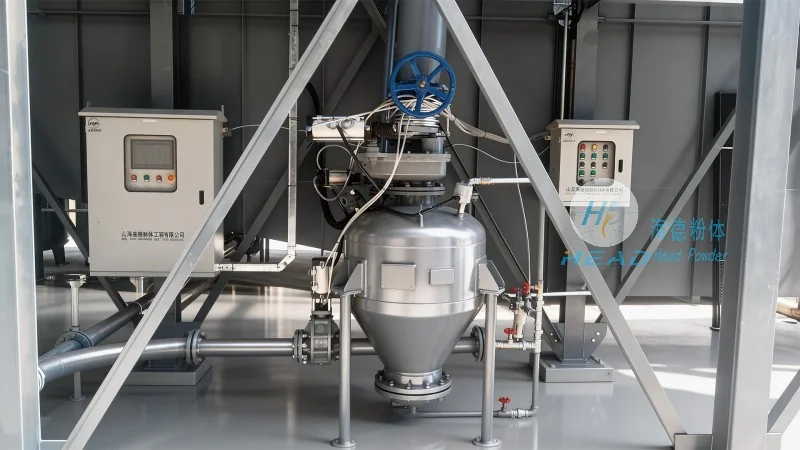
Key Components and Their Functions
HeadPowder's pneumatic conveying equipment typically consists of several critical components that work in tandem to ensure effective operation. These include a material feeder, which accurately meters the sodium bicarbonate into the conveying line; a compressor or blower that generates the necessary air pressure; a conveying line (often made of stainless steel to resist corrosion from the material); and a receiver or discharge unit where the material is deposited. Each component is designed to handle the specific properties of sodium bicarbonate, such as its light weight and potential for caking, ensuring smooth and continuous operation.
Advantages of Using Pneumatic Conveying for Sodium Bicarbonate
Implementing pneumatic conveying systems for sodium bicarbonate offers several advantages over traditional methods like bucket elevators or belt conveyors. Firstly, it eliminates the need for mechanical contact with the material, reducing the risk of contamination and product degradation. Secondly, the enclosed system prevents dust emissions, improving workplace safety and compliance with environmental regulations. Additionally, pneumatic conveying allows for flexible and scalable solutions, as the system can be easily expanded or reconfigured to accommodate changes in production volume or layout. The ability to transport sodium bicarbonate in a dust-free environment also enhances product purity, which is critical in industries like food and pharmaceuticals.
Working Scene Characteristics: Applications and Industries
The operational scenarios of sodium bicarbonate pneumatic conveying equipment are diverse and tailored to the specific needs of different industries. In the food processing sector, these systems are commonly used to transport sodium bicarbonate from storage silos to mixing and baking facilities, ensuring consistent ingredient delivery without cross-contamination. In pharmaceutical manufacturing, the equipment is employed to move the material to blending and packaging lines, where precision and cleanliness are paramount. Chemical manufacturers also utilize pneumatic conveying for sodium bicarbonate in processes such as chemical reactions and material handling, where the equipment's ability to handle abrasive or corrosive materials is advantageous.
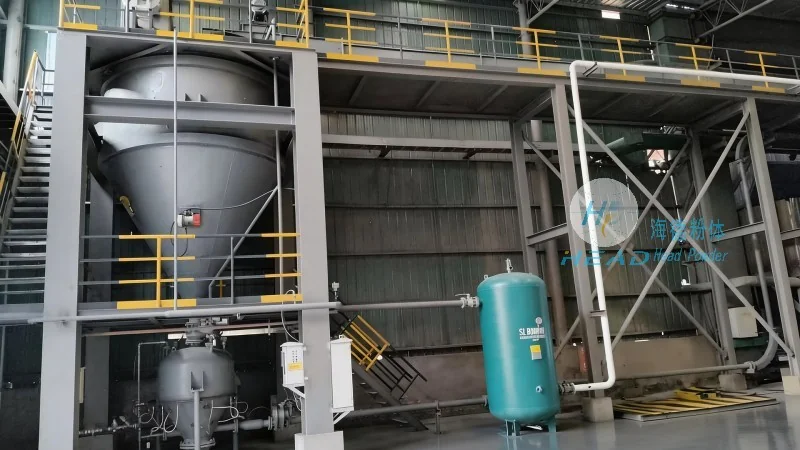
Customization and Scalability: Meeting Specific Operational Needs
HeadPowder understands that each industrial application has unique requirements, and thus offers customized pneumatic conveying solutions for sodium bicarbonate. The company's engineers work closely with clients to assess their specific operational needs, including material flow rates, distance of transport, and environmental constraints. By tailoring the equipment design—such as the type of feeder, compressor capacity, and line configuration—HeadPowder ensures that the system operates efficiently and reliably. Moreover, the equipment can be scaled up or down to accommodate varying production volumes, making it suitable for both small-scale operations and large-scale industrial plants. This flexibility allows clients to adapt their systems as their business grows or their production processes evolve.
Conclusion: Enhancing Efficiency and Safety in Sodium Bicarbonate Handling
HeadPowder's pneumatic conveying equipment for sodium bicarbonate represents a sophisticated solution that combines advanced technology with practical application. By understanding the fundamental principles of pneumatic conveying and leveraging the specific characteristics of sodium bicarbonate, these systems provide efficient, safe, and reliable material transport. The working scene characteristics of such equipment, including its adaptability to various industries and its ability to meet customized operational needs, make it an essential component in modern production processes. As industries continue to prioritize efficiency and safety, pneumatic conveying systems remain a preferred choice for handling sodium bicarbonate, ensuring consistent quality and smooth operation.