

Principles and Working Scene Characteristics of Gypsum Gray Powder Conveying
Shandong HeadPowder Engineering Co., Ltd., commonly known as headpowder, is a professional enterprise dedicated to the research, development, and application of powder conveying technologies. With its headquarters located in Shandong, China, the company has established itself as a key player in the field of powder handling solutions, particularly in the context of gypsum gray powder transportation. By leveraging advanced engineering principles and practical experience, headpowder provides comprehensive solutions tailored to the unique demands of various industrial applications.
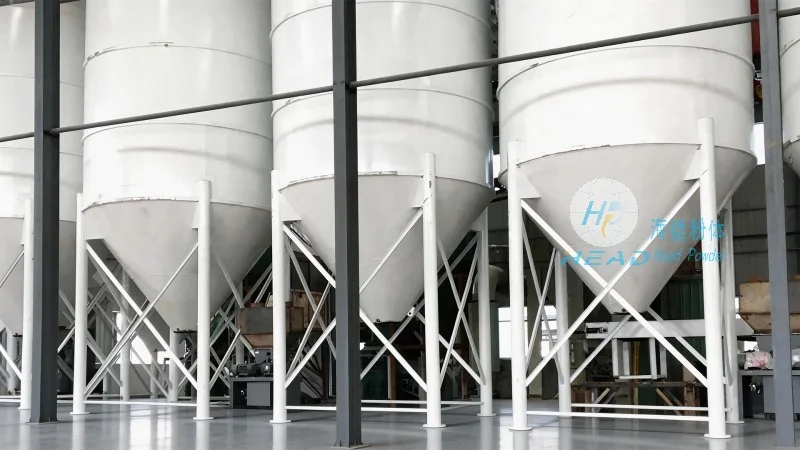
The Principles of Gypsum Gray Powder Conveying
Gypsum gray powder, a common material in construction and industrial processes, requires efficient and reliable conveying systems to ensure smooth operation. The core principle behind gypsum gray powder conveying involves the use of pneumatic or mechanical methods to transport the fine powder from its source to the processing or storage location. Pneumatic conveying, for instance, utilizes air pressure to move the powder through pipelines, while mechanical conveying employs screw conveyors, belt conveyors, or other mechanical devices. The choice of method depends on factors such as the powder's properties, the distance to be covered, and the required flow rate. In pneumatic systems, the powder is typically mixed with air in a specific ratio to maintain a stable flow, preventing blockages and ensuring consistent performance. Mechanical systems, on the other hand, rely on the physical movement of the powder within the conveyor, which is often more suitable for larger particle sizes or higher bulk densities. Both approaches aim to minimize material degradation, maintain product quality, and enhance operational efficiency.
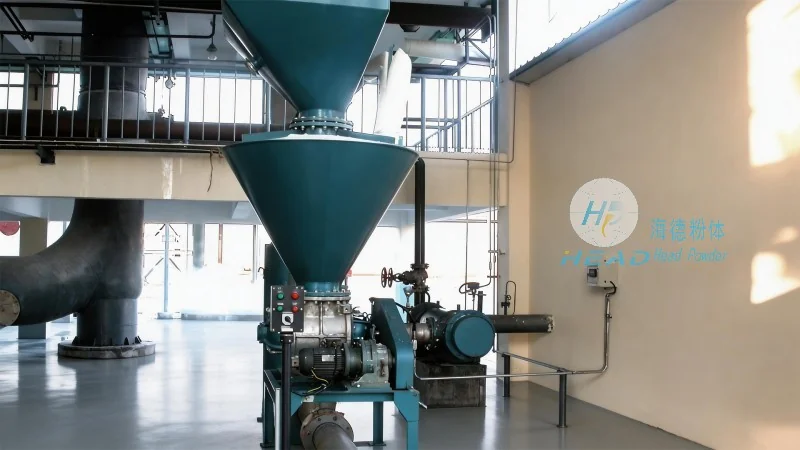
Working Scene Characteristics of Gypsum Gray Powder Conveying
The working scene characteristics of gypsum gray powder conveying are shaped by the specific requirements of the applications where the material is used. These characteristics include factors such as the environment, the scale of operation, and the integration with other processes. In construction sites, for example, the conveying system must be able to handle large volumes of gypsum gray powder while operating in an outdoor environment, often subject to temperature fluctuations and dust exposure. The system must be robust and durable to withstand the harsh conditions and ensure continuous operation. In industrial plants, the conveying may be part of a larger production line, requiring integration with other equipment like mixers, grinders, or storage silos. The system must be able to maintain a consistent flow rate and pressure to support the downstream processes, ensuring that the powder is delivered in the correct quantity and at the right time. Additionally, the working scene may involve the need for dust control measures, as gypsum gray powder can be fine and easily airborne, posing health and safety risks. Effective dust collection systems are therefore an integral part of the conveying setup, ensuring compliance with environmental regulations and maintaining a safe working environment. The characteristics of the working scene also influence the choice of equipment, with some applications requiring flexible, modular systems that can be easily adjusted or expanded as production needs change.
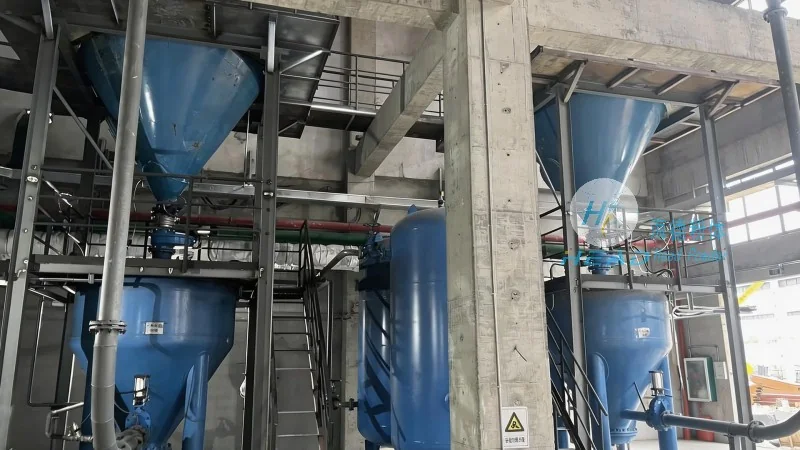
Key Considerations for Gypsum Gray Powder Conveying Systems
When designing and implementing gypsum gray powder conveying systems, several key considerations must be taken into account to ensure optimal performance and longevity. First, the physical properties of the gypsum gray powder, such as its particle size distribution, moisture content, and bulk density, play a crucial role in determining the most suitable conveying method. For example, powders with high moisture content may require additional drying steps before conveying to prevent caking or blockages. Second, the distance and layout of the conveying route are critical factors, as they affect the energy consumption and the overall system design. Longer distances may necessitate more powerful air compressors or larger mechanical components to maintain the required flow rate. Third, the integration with other equipment, such as storage silos or processing units, must be carefully planned to ensure seamless operation and minimize downtime. Proper alignment and synchronization of the conveying system with the downstream processes are essential for maintaining production efficiency. Finally, maintenance and operational costs are important considerations, as regular maintenance is required to keep the system running smoothly and to replace worn components as needed. By addressing these factors, companies can select and implement effective gypsum gray powder conveying systems that meet their specific needs and contribute to overall operational success.
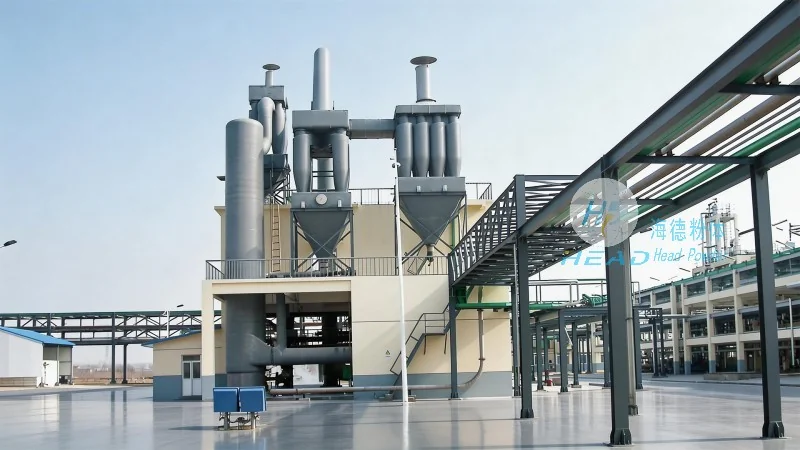
Applications and Benefits of Gypsum Gray Powder Conveying
Gypsum gray powder is widely used in various industries, including construction, manufacturing, and agriculture, making efficient conveying systems essential for these sectors. In the construction industry, gypsum gray powder is often used as a raw material for plaster, drywall, and other building materials. The conveying system must be able to transport the powder to the production site or storage area without compromising its quality. In manufacturing, the powder may be used as an ingredient in the production of cement, fertilizer, or other chemical products. The conveying system ensures that the powder is delivered to the processing equipment in a controlled manner, reducing waste and improving product consistency. The benefits of effective gypsum gray powder conveying include improved operational efficiency, reduced material loss, and enhanced safety. By minimizing the time and effort required to transport the powder, companies can increase their production output and reduce labor costs. Additionally, proper dust control measures not only protect the health of workers but also help maintain a clean and safe working environment, which is crucial for compliance with regulatory standards. Overall, the efficient conveyance of gypsum gray powder is vital for the smooth operation of various industrial processes, and the right system can provide significant advantages in terms of performance, cost, and safety.