

Principle and Working Scene Characteristics of Monocrystalline Silicon Powder Conveying System
Monocrystalline silicon powder is a critical material in the semiconductor industry, widely used in solar cells, microelectronics, and other high-tech applications. The efficient and reliable transport of this fine powder is essential for maintaining production efficiency and product quality. This article explores the principles of monocrystalline silicon powder conveying systems and highlights the key characteristics of their working environments, providing insights into the technology and practical applications.
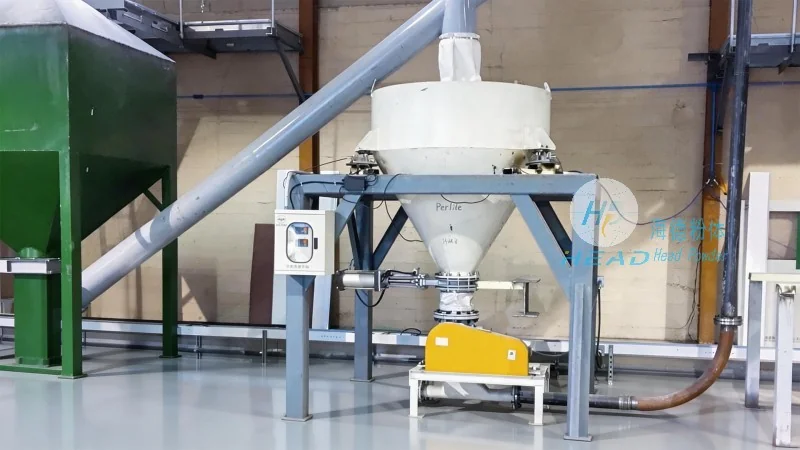
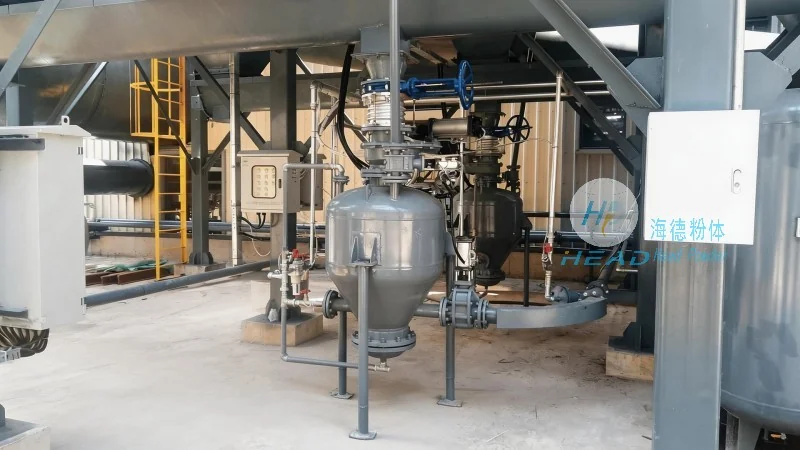
Principle of Monocrystalline Silicon Powder Conveying Systems
Monocrystalline silicon powder conveying systems are designed to handle the unique properties of silicon powder, such as its fine particle size, high purity requirements, and potential for static electricity. The core principle involves using specialized equipment to transport the powder from one location to another while minimizing contamination and maintaining its quality. Common conveying methods include pneumatic conveying, screw conveyors, and vacuum systems, each with its own advantages and applications. Pneumatic conveying, for instance, uses compressed air to move the powder through pipelines, offering flexibility and the ability to handle long distances. Screw conveyors, on the other hand, are suitable for horizontal or slight incline transport, providing a continuous and controlled flow. Vacuum systems are often employed in applications where dust control is critical, as they create a sealed environment that prevents particle loss and contamination. The choice of conveying method depends on factors like the powder's characteristics, the distance to be covered, and the required flow rate. Additionally, the system incorporates components like filters, cyclones, and dust collectors to ensure the powder remains clean and free from contaminants, which is crucial for maintaining the high purity standards required in semiconductor manufacturing.
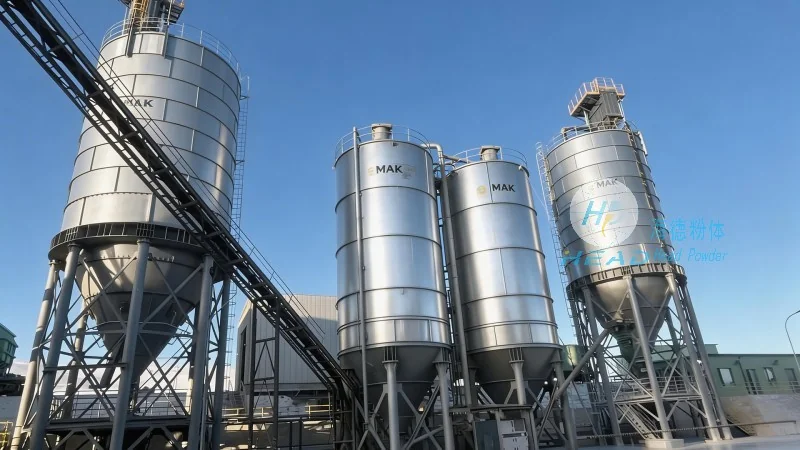
Working Scene Characteristics of Monocrystalline Silicon Powder Conveying Systems
The working environments for monocrystalline silicon powder conveying systems vary significantly based on the application and industrial setting. In solar panel manufacturing facilities, for example, the system operates in a cleanroom environment, where strict contamination control is paramount. The conveying equipment is typically enclosed and equipped with HEPA filters to prevent dust from entering the cleanroom and to maintain the required air quality. The system must also be designed to handle the large volumes of silicon powder needed for mass production, ensuring a consistent and reliable supply to the production lines. In microelectronics manufacturing, the conveying system may operate in a more controlled environment, where the powder is used for wafer fabrication. Here, the system's design focuses on precision and minimal particle agglomeration, as even small impurities can affect the performance of electronic components. Another key characteristic is the system's ability to handle variations in powder flow, such as changes in moisture content or particle size distribution. The equipment must be able to adapt to these changes without disrupting the conveying process, ensuring continuous operation. Furthermore, the working scene may involve multiple stages of processing, where the powder is transferred between different equipment, such as mixers, classifiers, and reactors. The conveying system must integrate seamlessly with these processes, providing a smooth and efficient flow of material. The characteristics of the working environment also include considerations for safety and maintenance. The system is designed to minimize the risk of dust explosions by incorporating explosion-proof components and proper ventilation. Regular maintenance is also essential to ensure the system operates at optimal efficiency, with scheduled checks on components like filters, pumps, and pipelines. Overall, the working scene characteristics of monocrystalline silicon powder conveying systems are tailored to meet the specific demands of the application, ensuring high performance and reliability in diverse industrial settings.
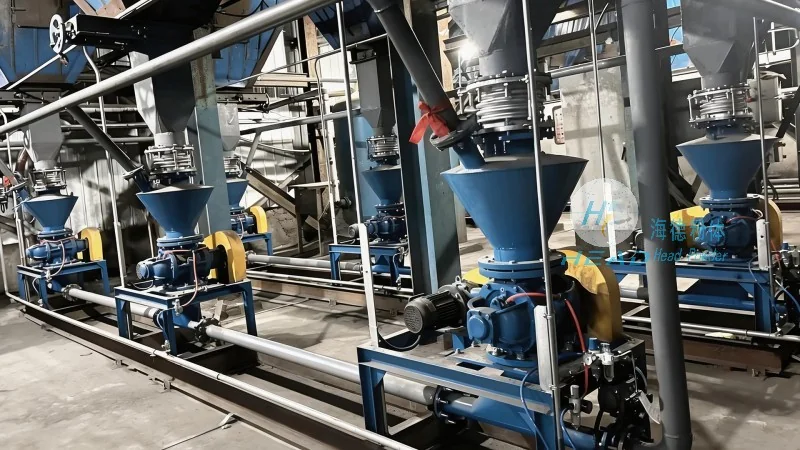
Company Overview: Shandong HeadPowder Engineering Co., Ltd.
Shandong HeadPowder Engineering Co., Ltd., operating under the brand name headpowder, specializes in the design, manufacturing, and integration of advanced powder conveying systems for various industries. With a focus on monocrystalline silicon powder applications, the company leverages years of experience in material handling and process engineering to deliver customized solutions that meet the unique needs of clients. The company's team of engineers and technicians work closely with clients to understand their production requirements and develop systems that optimize efficiency, reduce downtime, and enhance product quality. Headpowder's expertise lies in combining cutting-edge technology with practical application, ensuring that the conveying systems are not only effective but also cost-efficient and easy to maintain. The company's facilities in Shandong, China, are equipped with state-of-the-art equipment and adhere to strict quality control standards, ensuring that every system meets the highest industry benchmarks. By focusing on innovation and customer satisfaction, headpowder has established itself as a trusted partner in the semiconductor and related industries, providing reliable solutions for powder handling challenges. The company's commitment to excellence and continuous improvement has enabled it to serve a wide range of clients, from large-scale manufacturers to smaller production facilities, all of whom benefit from the advanced technology and professional service offered by headpowder.