

Principle and Working Scene Characteristics of Glass Waste Material Conveying Equipment
HeadPowder, a leading manufacturer based in Shandong, China, specializes in the design and production of efficient glass waste material conveying equipment. This article explores the fundamental principles behind these systems and highlights the key working scene characteristics that make them indispensable in modern industrial applications.
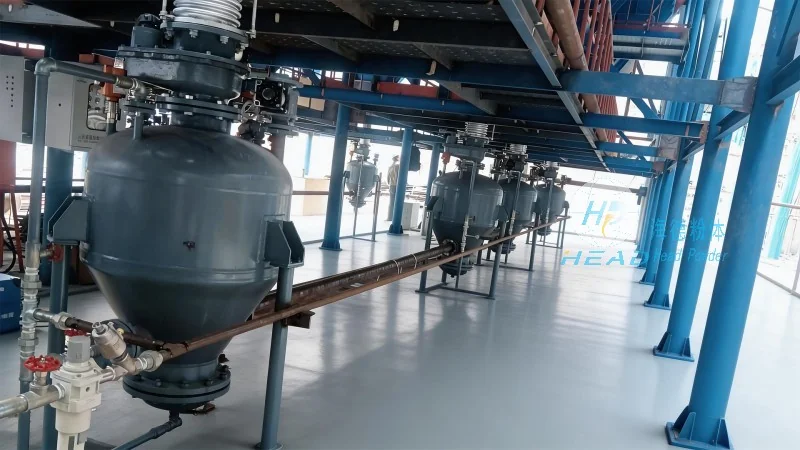
Understanding the Core Principles of Glass Waste Conveying Equipment
The primary function of glass waste conveying equipment is to transport fragmented glass materials from one location to another within a production facility or waste processing plant. These systems are engineered to handle the unique challenges posed by glass waste, such as its abrasive nature, irregular shapes, and varying particle sizes. The core principles revolve around the selection of appropriate conveyor types, material handling mechanisms, and control systems that ensure safe, reliable, and efficient operation.
Key components of glass waste conveying equipment typically include feed mechanisms, conveying elements (like belts, chains, or screw conveyors), and discharge systems. The choice of conveyor type depends on factors like the volume of glass waste, the distance to be covered, and the required speed of material movement. For instance, belt conveyors are often preferred for long-distance horizontal transport due to their high capacity and low maintenance requirements, while screw conveyors excel in vertical or inclined transport, especially when dealing with fine glass particles.
Material handling mechanisms are critical for preventing damage to the equipment and ensuring consistent flow. Many systems incorporate features like impact plates, flexible hoses, or special coatings on conveyor belts to mitigate the abrasive effects of glass fragments. Additionally, control systems, including sensors and automation, play a vital role in monitoring the conveyor's performance, detecting blockages, and adjusting operational parameters to maintain optimal efficiency.
Working Scene Characteristics and Applications
Glass waste conveying equipment is widely used in various industrial settings, each with distinct characteristics that influence the equipment's design and functionality. The following working scene examples illustrate the versatility and adaptability of these systems:
1. Glass Manufacturing Plants: In glass production facilities, conveying equipment is essential for transporting raw glass materials from storage areas to furnaces or processing lines. The equipment must handle large volumes of glass cullet, often mixed with other materials, and operate continuously to support high production rates. The working scene here emphasizes high throughput, durability, and integration with existing production workflows.
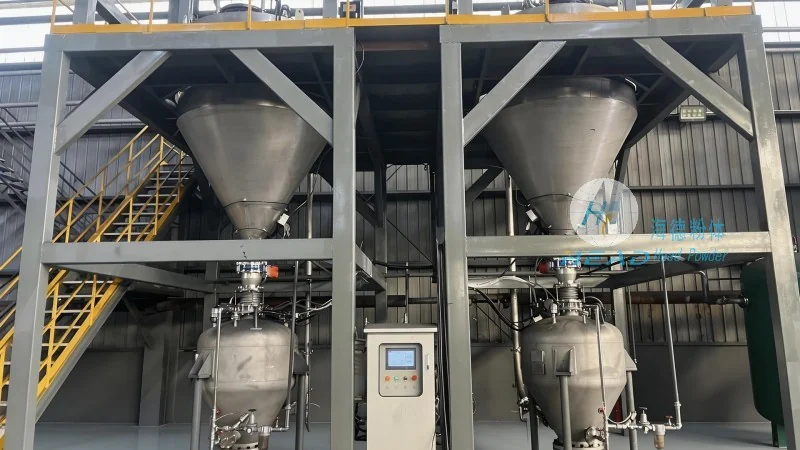
2. Waste Management and Recycling Facilities: At recycling centers, glass waste is collected from various sources and processed into reusable materials. Conveying systems in these facilities are designed to handle a mix of glass types (e.g., bottle glass, window glass) and often include sorting mechanisms to separate different glass colors or grades. The working scene is characterized by variable material compositions, the need for gentle handling to preserve material quality, and compliance with environmental regulations.
3. Construction and Demolition Sites: During the demolition of buildings, large quantities of glass debris are generated. Conveying equipment at these sites is typically rugged and portable, capable of handling heavy and irregular glass pieces. The working scene involves high levels of dust and debris, requiring equipment with dust suppression features and robust construction to withstand harsh conditions.
4. Industrial Waste Processing Plants: In facilities that process mixed industrial waste, glass waste is often separated from other materials using sorting technologies. The conveying equipment in these plants must be compatible with automated sorting systems and capable of transporting glass to recycling or disposal areas. The working scene emphasizes efficiency, integration with advanced processing technologies, and minimal downtime for maintenance.
Key Features and Advantages in Practical Applications
When evaluating glass waste conveying equipment for specific applications, several key features and advantages stand out as critical for optimal performance:
High Efficiency and Capacity: Modern conveying systems are engineered to handle large volumes of glass waste at high speeds, minimizing processing time and increasing overall productivity. This is particularly important in high-demand industries like glass manufacturing, where continuous operation is essential.
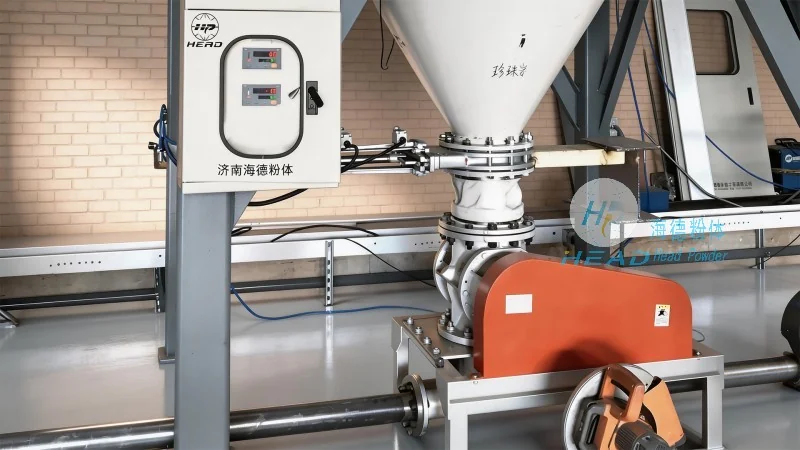
Durability and Longevity: Given the abrasive nature of glass, equipment must be constructed from high-quality materials, such as stainless steel or special alloys, to resist wear and tear. This ensures longer service life and reduces the frequency of maintenance and replacement, leading to lower operational costs over time.
Low Maintenance Requirements: Advanced designs incorporate easy-to-clean components and self-lubricating parts, reducing the need for frequent maintenance. This not only saves time and labor but also minimizes downtime, ensuring consistent operation in busy industrial environments.
Flexibility and Adaptability: Many conveying systems are modular, allowing for customization to fit specific working conditions. This includes the ability to adjust conveyor speed, direction, or capacity based on the type and volume of glass waste being handled. Such flexibility makes the equipment suitable for a wide range of applications and future expansion needs.
Environmental Compliance: With increasing focus on sustainability, glass waste conveying equipment is designed to minimize environmental impact. Features like dust collection systems, noise reduction measures, and energy-efficient operation help facilities meet regulatory requirements and reduce their carbon footprint.
Conclusion
Glass waste material conveying equipment is a vital component in modern industrial operations, enabling efficient handling and processing of glass waste while supporting sustainability goals. By understanding the core principles and working scene characteristics, industries can select the most appropriate equipment to meet their specific needs, ensuring optimal performance, durability, and cost-effectiveness. As a leading manufacturer based in Shandong, China, HeadPowder continues to innovate in this field, providing high-quality solutions that meet the evolving demands of the glass and waste management industries.