

Principle and Working Scene Characteristics of Baking Soda Material Handling System Equipment
Baking soda, also known as sodium bicarbonate, is a widely used chemical in various industries, including food processing, pharmaceuticals, and cleaning applications. The efficient and reliable transportation of baking soda is crucial for maintaining production efficiency and product quality. This article explores the principles behind the design and operation of baking soda material handling systems, along with the key working scene characteristics that define their effectiveness in industrial settings, with a focus on solutions provided by Shandong HeadPowder Engineering Co., Ltd., a leading manufacturer based in Shandong, China.
Principle of Baking Soda Material Handling Equipment
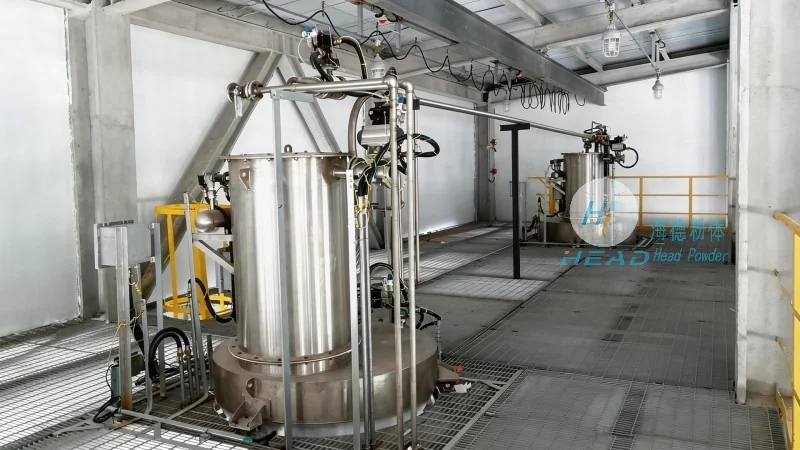
The core principle of baking soda material handling systems revolves around the use of specialized equipment to transport and transfer sodium bicarbonate from storage to processing or packaging areas. These systems typically integrate components such as hoppers, conveyors, and control mechanisms to ensure smooth material flow. The design takes into account the physical properties of baking soda, such as its fine powder nature and potential for dust generation, to minimize material loss and ensure safe operation. For instance, the use of sealed hoppers and enclosed conveyor systems helps prevent contamination and dust dispersion, which is critical in food and pharmaceutical industries where product purity is paramount. The systems are engineered to handle the unique challenges posed by baking soda, ensuring consistent performance and reliability.
Working Scene Characteristics of Baking Soda Material Handling Systems
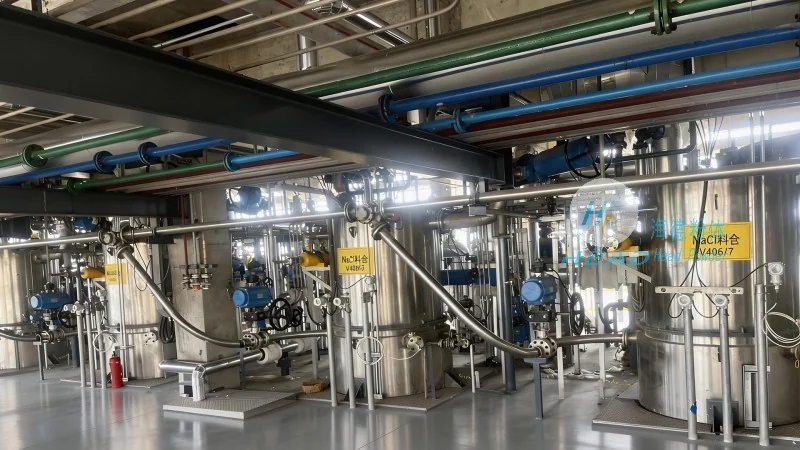
The working scene characteristics of baking soda material handling systems are tailored to meet the specific demands of different industrial applications. In food processing facilities, for example, the system must comply with strict hygiene standards, requiring stainless steel construction and easy-to-clean components. The conveyor systems are often designed with gentle handling to avoid agglomerating the fine powder, which could affect product consistency. In contrast, in industrial cleaning or chemical manufacturing settings, the focus may be on durability and the ability to handle larger quantities of material. The control systems are typically integrated with sensors to monitor flow rates and detect blockages, ensuring continuous operation and preventing downtime. These characteristics ensure that the systems are adaptable to diverse operational environments while maintaining high performance standards.
Key Components and Their Functions
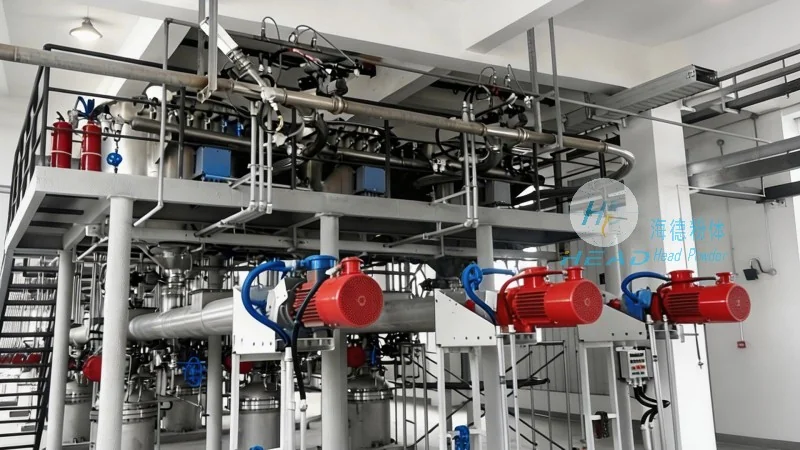
Several key components contribute to the effective operation of baking soda material handling systems. The hopper serves as the primary storage vessel, designed with a sloped bottom to facilitate material discharge. The material is then transferred to the conveyor system, which can be of various types, including belt conveyors, screw conveyors, or pneumatic conveyors, depending on the application requirements. The control panel integrates sensors and actuators to regulate the flow rate and respond to changes in material levels or system conditions. For example, in a screw conveyor, the speed can be adjusted to control the discharge rate, ensuring a consistent flow of baking soda to downstream processes. Each component is carefully selected to optimize the handling of baking soda, balancing efficiency with safety and compliance.
Advantages of Using Specialized Material Handling Systems for Baking Soda
Implementing a dedicated material handling system for baking soda offers several advantages over traditional methods. First, it enhances operational efficiency by reducing manual handling and minimizing material loss. The automated systems ensure consistent flow rates, which is crucial for maintaining product quality in sensitive applications. Second, the specialized design minimizes dust generation and contamination, which is vital in industries where product purity is non-negotiable. Third, the systems are designed for durability and low maintenance, reducing long-term operational costs. The integration of sensors and control mechanisms also allows for real-time monitoring and predictive maintenance, further improving system reliability. These advantages make specialized systems a preferred choice for industries that require high standards of performance and safety.
Application Examples in Different Industries
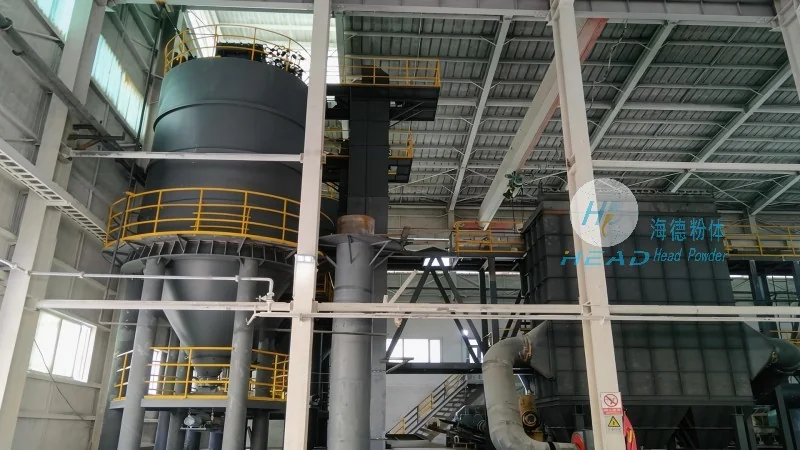
Baking soda material handling systems are widely used across various industries, each with unique requirements. In the food industry, these systems are commonly employed in baking powder production lines, where baking soda is mixed with other ingredients to create the final product. The systems ensure precise dosing and smooth transfer of the fine powder, which is essential for achieving consistent product characteristics. In the pharmaceutical industry, the systems are used in the production of over-the-counter medications, where the purity and consistency of the raw material are critical. The enclosed and hygienic design of the equipment helps maintain compliance with regulatory standards. In industrial cleaning applications, the systems are used to transport baking soda for dust suppression or as a component in cleaning solutions, where the ability to handle large volumes efficiently is important. These examples illustrate the versatility and importance of baking soda material handling systems in modern industrial operations.
Conclusion
Baking soda material handling systems are essential for the efficient and safe transportation of this versatile chemical in industrial settings. By understanding the principles behind their design and the working scene characteristics, industries can select and implement the most suitable system for their specific needs. The integration of specialized components and control mechanisms ensures optimal performance, while adherence to industry standards ensures product quality and regulatory compliance. As demand for baking soda continues to grow, the importance of reliable material handling systems will only increase, making them a critical component of modern industrial operations. Shandong HeadPowder Engineering Co., Ltd. remains committed to providing high-quality material handling solutions tailored to the unique needs of its clients in Shandong, China and beyond.