

Principle and Working Scene Characteristics of Bulk Powder Pneumatic Conveying from Silos
HeadPowder, a leading engineering firm based in Shandong, China, specializes in the design and implementation of advanced bulk powder handling systems. This article delves into the fundamental principles of pneumatic conveying from silos and highlights the key characteristics of its operational scenarios, providing a comprehensive overview for industry professionals seeking efficient material transport solutions.
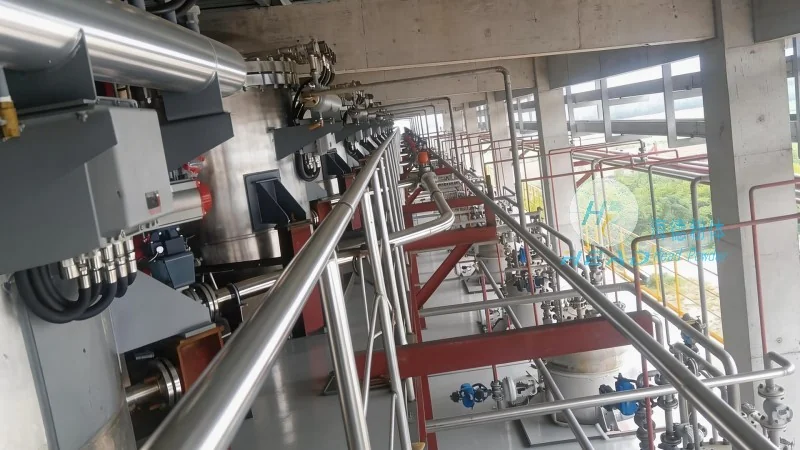
Understanding the Core Principle of Silo-Based Pneumatic Conveying
The principle of bulk powder pneumatic conveying from silos relies on the use of air as the primary medium to transport dry powders or granules. Unlike mechanical conveying systems that rely on physical components like belts or screws, pneumatic systems utilize pressure differentials or vacuum to move materials through pipelines. In silo applications, the process typically begins with the material being drawn from the storage silo into a conveying line. A compressor or vacuum pump generates the necessary airflow, which then carries the powder particles through the pipeline to the destination point, such as a processing unit or a discharge hopper. The efficiency of this method depends on factors like particle size, density, and moisture content, as well as the air velocity and pressure within the system. By leveraging these principles, HeadPowder's systems ensure reliable and consistent material transport, minimizing downtime and optimizing operational performance.
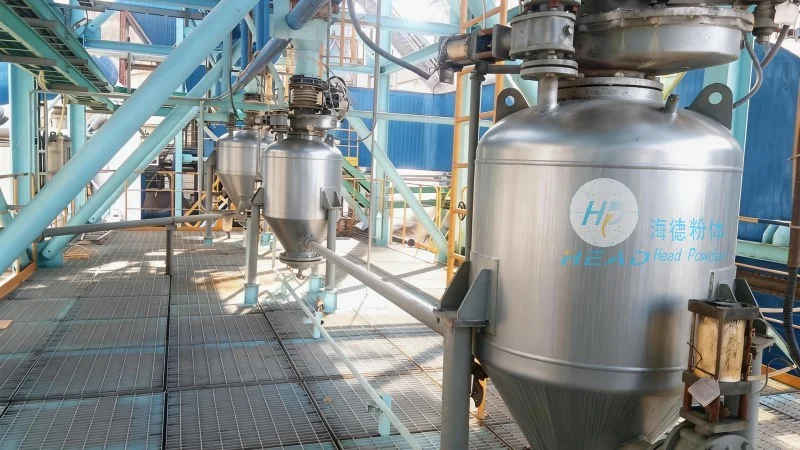
Key Working Scene Characteristics of Pneumatic Conveying Systems
Operational scenarios for silo-based pneumatic conveying systems exhibit distinct characteristics that influence their design and application. One primary characteristic is the need for airtight silos to maintain pressure differentials and prevent material leakage. The silo's construction, often made from stainless steel or other corrosion-resistant materials, plays a critical role in ensuring the integrity of the system. Additionally, the conveying distance and height are key factors that determine the type of pneumatic system to use—whether it's a pressure system (where air is compressed and introduced at the silo outlet) or a vacuum system (where a vacuum is created at the discharge end). The system's capacity and flow rate are also tailored to the specific material characteristics and production requirements. HeadPowder's expertise lies in customizing these systems to meet diverse operational needs, ensuring that each solution is optimized for the unique challenges of the application. For instance, in industrial settings where materials like cement, flour, or chemical powders are handled, the system must be designed to handle varying particle sizes and potential agglomeration, which can affect flow characteristics. The working scene characteristics also include considerations for dust control and environmental compliance, as pneumatic conveying can generate airborne particles that require proper filtration and ventilation systems. By addressing these aspects, HeadPowder's solutions provide not only efficient material transport but also adherence to safety and regulatory standards.
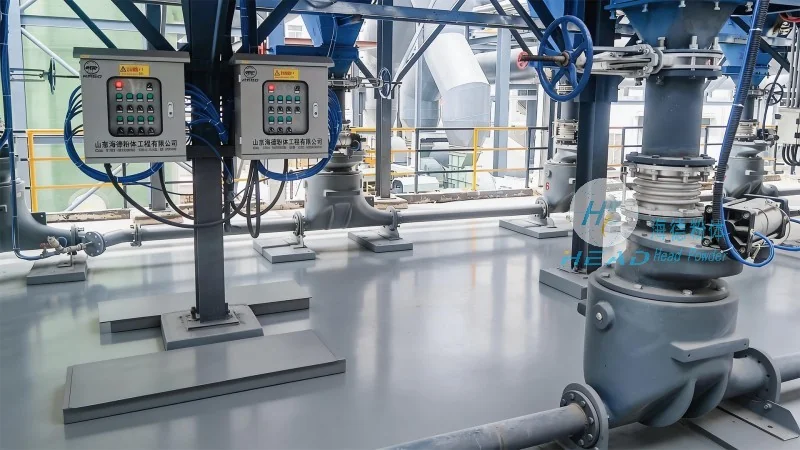
Applications and Benefits in Diverse Industrial Environments
The working scene characteristics of silo-based pneumatic conveying systems make them suitable for a wide range of industrial applications. In manufacturing facilities, these systems are commonly used to transport raw materials from storage silos to processing equipment, such as mixers, reactors, or extruders. The ability to handle large volumes of material with minimal manual intervention is a significant advantage, especially in high-throughput production lines. Similarly, in the food and pharmaceutical industries, where material purity and hygiene are paramount, pneumatic conveying systems offer a clean and dust-free method of material transport, reducing contamination risks. The systems are also adaptable to different operational scales, from small-scale batch processing to large-scale continuous production. HeadPowder's solutions have been implemented in various industries, including chemical processing, food processing, and construction materials, demonstrating their versatility and reliability. The benefits of these systems extend beyond material transport efficiency; they also contribute to improved safety by reducing the need for manual handling of powders, which can pose health risks such as inhalation of fine particles. Furthermore, the modular design of pneumatic conveying systems allows for easy integration with existing infrastructure, minimizing installation time and costs. In summary, the working scene characteristics of silo-based pneumatic conveying systems, combined with HeadPowder's engineering expertise, provide robust and efficient solutions for bulk powder handling in diverse industrial environments.