

Principle and Working Scene Characteristics of Iron Sand Powder Pneumatic Conveying
Iron sand powder pneumatic conveying is a critical technology in material handling, particularly for handling iron sand powders efficiently and safely. This article explores the fundamental principles behind this process and highlights key working scene characteristics that define its application in various industrial settings.
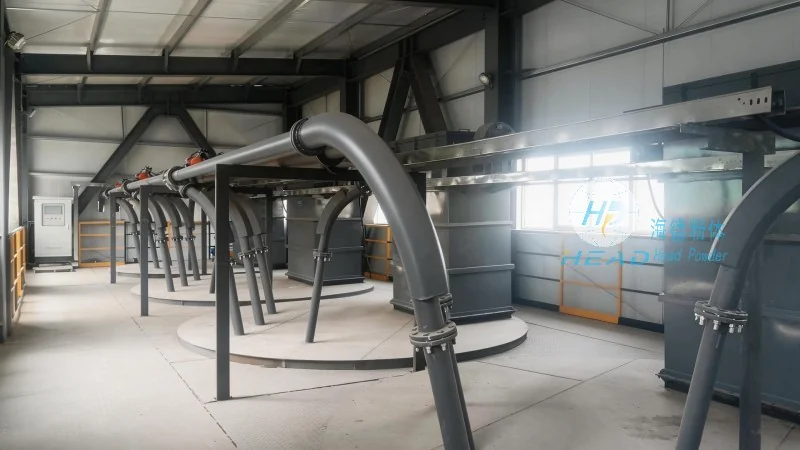
Understanding the Core Principle of Pneumatic Conveying for Iron Sand
Pneumatic conveying utilizes air or gas as the medium to transport particulate materials like iron sand through a pipeline system. The process operates on the principle of creating a pressure differential between the inlet and outlet of the conveying line. By generating sufficient airflow, the system can lift, transport, and deposit iron sand powder from one location to another without the need for mechanical components such as belts or buckets. This method is especially advantageous for iron sand, which often requires gentle handling to prevent agglomeration or damage to the material's properties.
The conveying system typically consists of a blower or compressor that supplies the necessary air pressure, a hopper to feed the iron sand powder, and a pipeline network that directs the material to its destination. The air flow is controlled to ensure optimal velocity, which is crucial for maintaining the material in suspension and preventing blockages or deposition. For iron sand, which may have varying particle sizes and densities, the system's design must account for these characteristics to achieve reliable and consistent conveying performance.
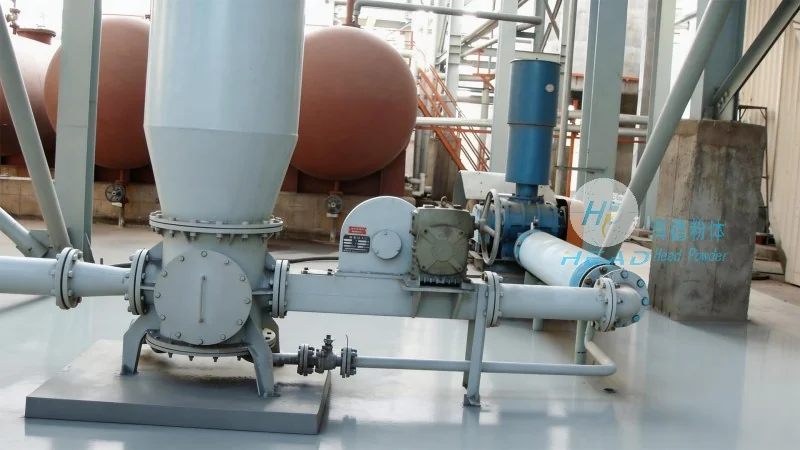
Key Working Scene Characteristics of Iron Sand Powder Pneumatic Conveying
The application of pneumatic conveying for iron sand is characterized by several distinct working scene features that influence its effectiveness and suitability in industrial operations. One primary characteristic is the need for a controlled environment to manage dust and ensure safety. Iron sand powders can generate significant airborne dust, which poses health and environmental risks. Therefore, many pneumatic conveying systems incorporate dust collection and filtration systems to capture and neutralize these particles, ensuring compliance with occupational health and safety regulations.
Another important characteristic is the system's adaptability to different operational scales. From small-scale laboratory applications to large-scale industrial production lines, pneumatic conveying can be scaled to meet the specific requirements of iron sand handling. This flexibility allows companies to integrate the technology into existing processes or design new systems tailored to their production needs. For instance, in mining or metal processing facilities, large volumes of iron sand may require high-capacity conveying systems with robust pipelines and high-pressure blowers to maintain efficient material transport over long distances.
Operational efficiency is a critical factor in the working scene of iron sand pneumatic conveying. The system's ability to minimize downtime and maximize throughput is essential for maintaining production schedules. This is achieved through careful system design, including the use of appropriate air velocities, pipeline diameters, and material feed rates. Additionally, the integration of sensors and monitoring systems allows for real-time control and maintenance, reducing the likelihood of system failures and ensuring consistent performance. For example, in a foundry or steel processing plant, where iron sand is used as a raw material, the conveying system must operate reliably to support continuous production without interruptions.
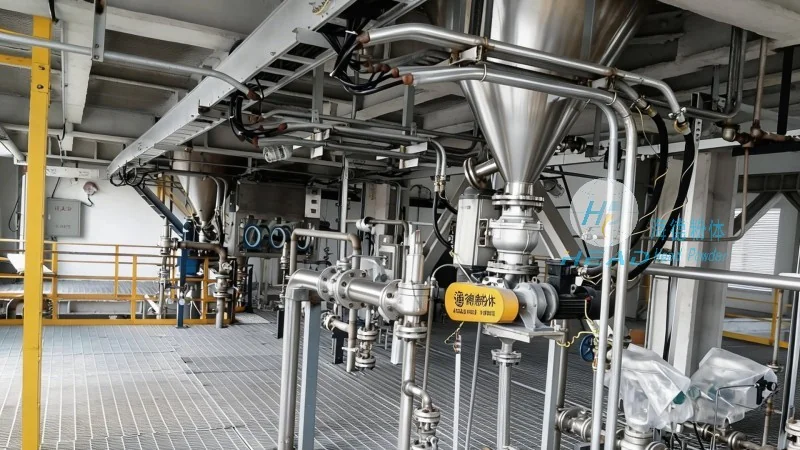
Company Overview: Shandong HeadPowder Engineering Co., Ltd.
Shandong HeadPowder Engineering Co., Ltd., operating under the brand name headpowder, specializes in the design, manufacturing, and implementation of advanced pneumatic conveying systems for various industrial applications. With a focus on iron sand and other powders, the company leverages decades of experience in material handling technology to deliver customized solutions that meet the unique demands of its clients. Headpowder's expertise lies in understanding the specific properties of iron sand, such as its particle size distribution, moisture content, and flow characteristics, and tailoring the pneumatic conveying system accordingly.
The company's facilities are located in Shandong, China, where it maintains a strong presence in the industrial sector. By combining engineering expertise with practical application knowledge, headpowder provides comprehensive services, including system design, installation, and after-sales support. This approach ensures that clients receive not only a high-quality pneumatic conveying system but also the necessary technical assistance to optimize its performance and extend its lifespan. For industries relying on iron sand for manufacturing processes, partnering with headpowder offers a reliable solution to enhance material handling efficiency and safety.