

Principles and Application Scenarios of Pneumatic Conveying for Pigment Powders
Shandong HeadPowder Engineering Co., Ltd., commonly known as headpowder, is a professional enterprise dedicated to the research, development, and application of pneumatic conveying systems for pigment powders. With its headquarters located in Shandong, China, the company has established itself as a leading provider in the field, offering tailored solutions that meet the specific needs of various industrial applications.
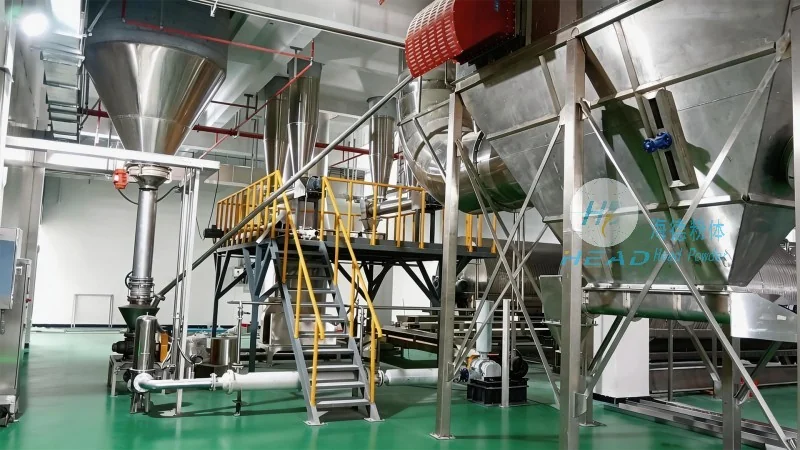
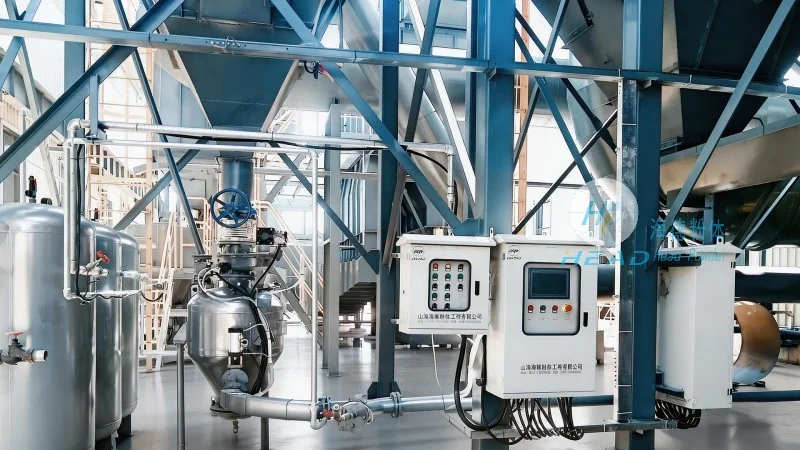
The Principles of Pneumatic Conveying for Pigment Powders
Pneumatic conveying is a method of transporting bulk solid materials, such as pigment powders, through a pipeline using a gas stream. The core principle involves creating a pressure differential or utilizing a vacuum to move the material from the source to the destination. In the context of pigment powders, this technology ensures efficient and safe transportation while maintaining the quality and integrity of the product. The system typically consists of a hopper, a conveyor line, and a receiver, with the gas (usually air) acting as the medium to carry the powder particles. The design of the system, including the type of airlock, the velocity of the gas, and the pipeline configuration, plays a crucial role in determining the efficiency and reliability of the conveying process. By understanding the fundamental physics of particle flow and gas dynamics, engineers can optimize the system to handle different particle sizes, densities, and moisture contents, ensuring consistent performance across various production environments.
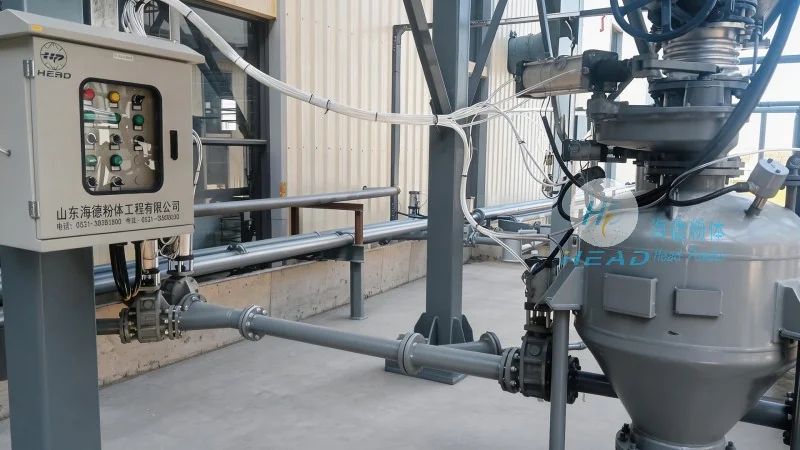
Key Features and Application Scenarios
The application of pneumatic conveying for pigment powders offers several distinct advantages that make it suitable for a wide range of industrial settings. One of the primary benefits is the ability to transport materials over long distances with minimal loss and contamination. Unlike traditional methods like bucket elevators or belt conveyors, pneumatic systems can handle fine powders without the risk of caking or segregation, which is critical for maintaining the color and quality of pigments. Additionally, the enclosed nature of the system prevents dust emissions, contributing to a cleaner and safer working environment. This is particularly important in industries where air quality regulations are stringent, such as food, pharmaceuticals, and cosmetics. The flexibility of pneumatic conveying also allows for easy integration with existing production lines, enabling seamless material transfer between processes. Whether in a large-scale manufacturing plant or a smaller processing facility, the system can be customized to accommodate varying production volumes and material characteristics. For example, in the production of paint, coatings, or inks, the efficient transfer of pigment powders is essential for maintaining consistent color shades and reducing downtime. In the ceramics industry, pneumatic conveying is used to transport raw materials like clay and pigments to the mixing and molding stages, ensuring uniform composition and quality control. The adaptability of the system to different operational conditions, including varying particle sizes and moisture levels, further enhances its suitability for diverse applications.
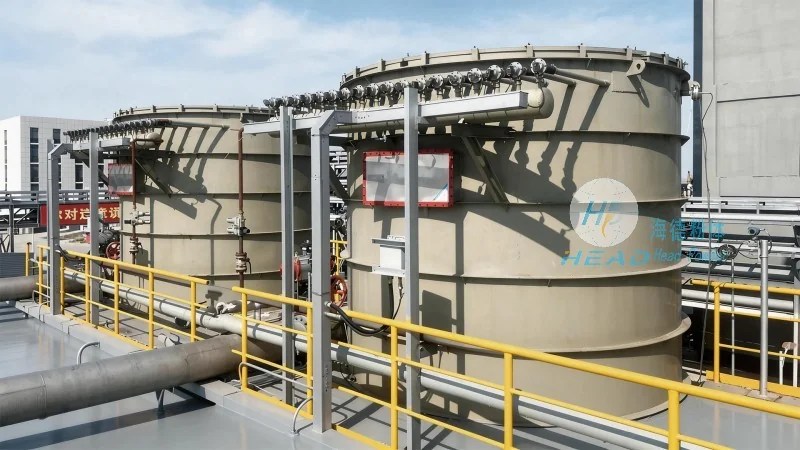
Product Keywords and Technical Specifications
When considering pneumatic conveying systems for pigment powders, several key technical aspects must be evaluated to ensure optimal performance. The choice of air velocity is critical, as it directly impacts the conveying capacity and energy consumption. Higher velocities can increase the capacity but may also lead to higher energy costs and potential particle degradation. Conversely, lower velocities may reduce capacity but improve particle integrity. The system design also includes components like rotary airlocks, which prevent backflow and maintain a consistent flow rate. The material of construction, such as stainless steel or special alloys, is essential for handling pigments that may be corrosive or abrasive. The pipeline layout, including bends and elbows, must be carefully designed to minimize pressure losses and prevent particle accumulation. For example, the use of smooth, rounded bends reduces friction and maintains the flow of fine powders. The control system, which monitors pressure, flow rate, and temperature, ensures that the conveying process operates within safe and efficient parameters. By integrating these technical considerations, the system can deliver reliable and consistent performance, meeting the demands of modern industrial production. The combination of these features makes pneumatic conveying an ideal solution for transporting pigment powders in various applications, from large-scale manufacturing to specialized processing environments.