

Principles and Working Scene Characteristics of Pneumatic Conveying for Chromium(III) Oxide Powder
Chromium(III) oxide, commonly known as chromium(III) oxide powder, is a widely used material in various industrial applications. The efficient and reliable transportation of this powder is crucial for industrial processes, and pneumatic conveying has emerged as a preferred method due to its advantages in handling fine powders like chromium(III) oxide. This article explores the principles behind pneumatic conveying for chromium(III) oxide powder and highlights the key characteristics of working scenes where this technology is applied.
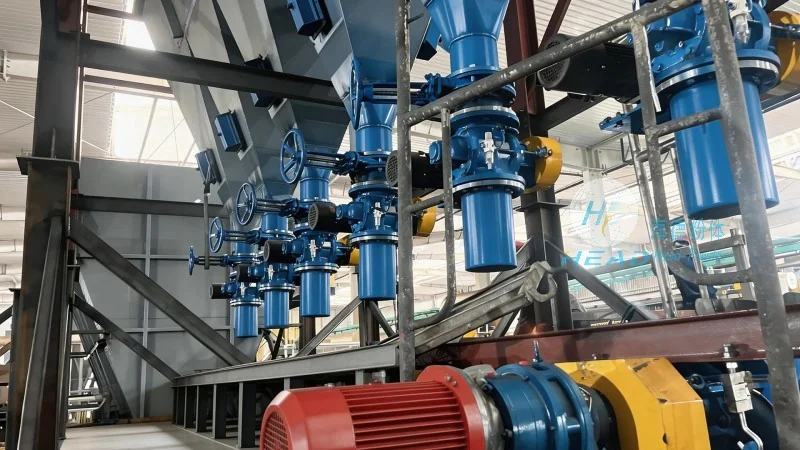
Understanding Pneumatic Conveying Principles
Pneumatic conveying involves the transport of solid particles through a pipeline using a gas stream, typically air. The process relies on the creation of a pressure differential between the conveying line and the ambient environment. In the case of chromium(III) oxide powder, the powder is introduced into the conveying line and mixed with air, forming a suspension. The air flow then propels the powder particles through the pipeline to the destination point. The key principles include the balance of pressure, velocity, and particle size, which determine the efficiency and stability of the conveying system.
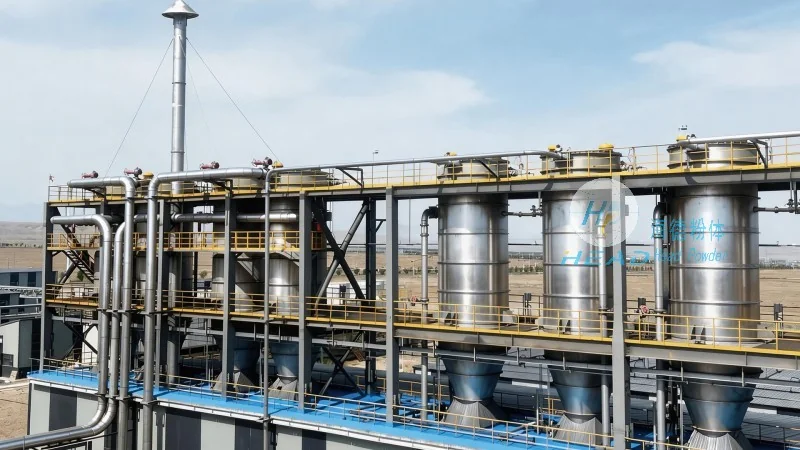
Key Working Scene Characteristics
The application of pneumatic conveying for chromium(III) oxide powder is characterized by several specific working scene features that enhance operational efficiency and safety. These characteristics include:
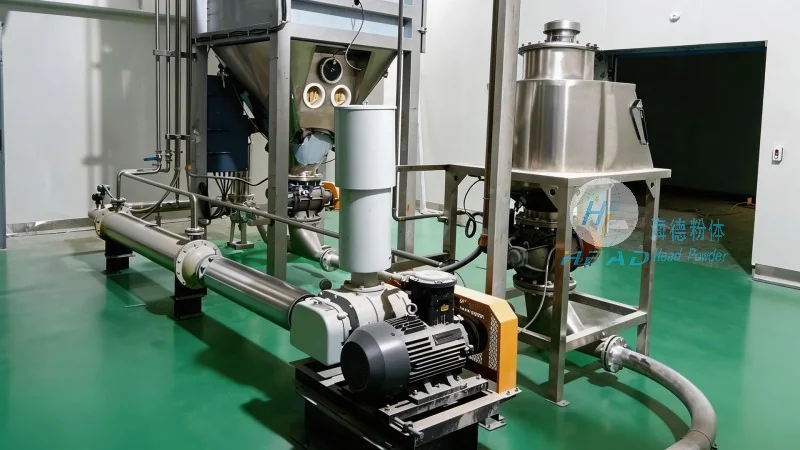
- Controlled Particle Flow: Pneumatic systems allow for precise control over the flow rate of chromium(III) oxide powder, ensuring consistent material handling in production lines.
- Reduced Downtime: By eliminating the need for mechanical components like belts or buckets, pneumatic conveying minimizes maintenance requirements and reduces downtime in industrial operations.
- Space Efficiency: The use of pipelines for material transport saves valuable floor space in manufacturing facilities, making it suitable for compact work environments.
- Environmental Safety: Pneumatic conveying systems are designed to contain dust and prevent particle leakage, contributing to a safer working environment and compliance with environmental regulations.
Application Examples in Industrial Settings
Chromium(III) oxide powder is utilized in a range of industrial applications, and pneumatic conveying is often employed in these scenarios to ensure efficient material transfer. For instance, in the production of pigments and coatings, chromium(III) oxide is conveyed from storage silos to mixing and processing equipment. Similarly, in the manufacturing of electronic components, the powder is transported to coating lines where it is applied to substrates. These applications benefit from the ability of pneumatic systems to handle fine powders without clogging or degradation.
Company Overview: Shandong HeadPowder Engineering Co., Ltd.
Shandong HeadPowder Engineering Co., Ltd., operating under the brand name headpowder, specializes in the engineering and supply of advanced powder handling solutions. With a focus on materials like chromium(III) oxide, the company provides customized pneumatic conveying systems tailored to the specific needs of industrial clients. Headpowder's expertise lies in designing efficient and reliable systems that optimize the performance of powder handling processes, ensuring high-quality material transport and minimal operational disruptions.

Address and Location
Headpowder is headquartered in Shandong, China, providing a strategic location for serving clients in the region and beyond. The company's facilities are equipped with state-of-the-art technology and skilled personnel to support the development and implementation of pneumatic conveying solutions for chromium(III) oxide powder and other fine materials.