

Principle and Working Scene Characteristics of Silica Sand Powder Pneumatic Conveying Line
HeadPowder, a leading engineering company based in Shandong, China, specializes in the design and implementation of advanced pneumatic conveying systems tailored for handling silica sand powder. This article delves into the fundamental principles of silica sand powder pneumatic conveying lines and explores the distinctive characteristics of their operational scenarios, providing a comprehensive overview for industrial applications.
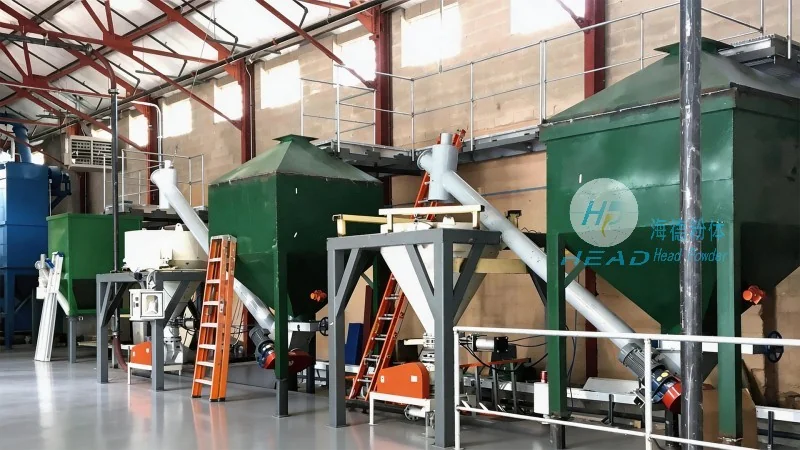
Understanding Pneumatic Conveying: The Core Principle
Pneumatic conveying is a method of transporting bulk materials, such as powders and granules, through a pipeline using a gas stream, typically air or a combination of air and other gases. For silica sand powder, this technology offers a highly efficient and flexible solution compared to traditional mechanical conveying methods like belt conveyors or screw conveyors. The process involves creating a pressure differential within the pipeline, either by blowing air into the system (positive pressure or pressure conveying) or by creating a vacuum (negative pressure or vacuum conveying). In the case of silica sand, which is often used in industries like foundry, glass manufacturing, and construction, the choice of conveying method depends on factors like material properties, distance, and required flow rate.
HeadPowder's Expertise in Silica Sand Pneumatic Conveying
Shandong HeadPowder Engineering Co., Ltd., with its headquarters in Shandong, China, has established itself as a trusted provider of customized pneumatic conveying solutions. The company leverages decades of experience in material handling and process engineering to design systems that meet the specific demands of silica sand applications. HeadPowder's engineers work closely with clients to assess operational requirements, material characteristics, and site constraints, ensuring that the final system is optimized for performance, reliability, and cost-effectiveness. The company's commitment to innovation is evident in its use of advanced control systems and materials, which enhance the durability and efficiency of the conveying lines.
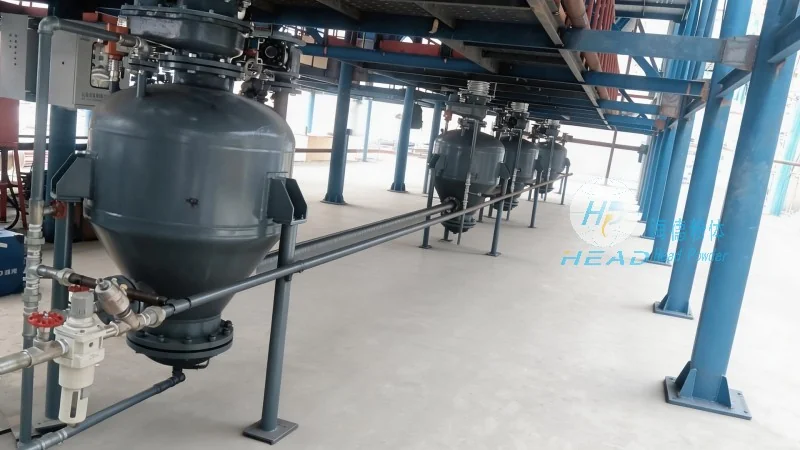
Key Operational Characteristics of Silica Sand Pneumatic Conveying Lines
When evaluating the working scene characteristics of silica sand pneumatic conveying lines, several factors stand out as critical. First, the system's ability to handle abrasive materials like silica sand without causing excessive wear to components is paramount. HeadPowder's systems incorporate specialized materials and wear-resistant parts to extend the lifespan of the equipment. Second, the efficiency of material transport is a key consideration. The design of the conveying line, including the size and layout of the pipeline, the type of air compressor or vacuum pump, and the placement of inlets and outlets, directly impacts the overall throughput. For instance, in foundry applications where large volumes of silica sand are required for sand molding, the conveying line must be capable of maintaining consistent flow rates to support continuous production.
Application Scenarios and Industry-Specific Benefits
The versatility of silica sand powder pneumatic conveying lines makes them suitable for a wide range of industrial applications. In the foundry industry, these systems are essential for transporting raw silica sand to molding machines, ensuring a steady supply of material and reducing downtime. In glass manufacturing, the precise control of silica sand feed is crucial for maintaining the quality of the glass product, and pneumatic conveying lines provide the necessary accuracy and consistency. Additionally, in construction and building materials production, the ability to transport silica sand efficiently to mixing and batching facilities improves overall production throughput and reduces labor costs.
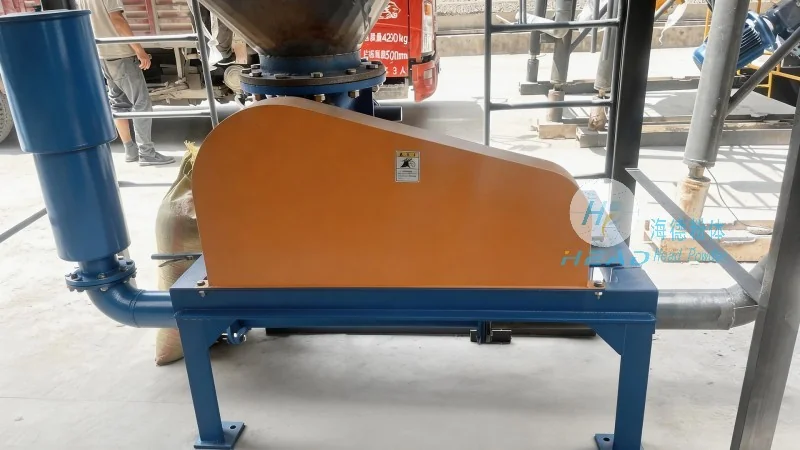
Advantages Over Traditional Conveying Methods
Compared to traditional mechanical conveying methods, silica sand pneumatic conveying lines offer several advantages. One of the most significant is the reduction in material handling costs. By eliminating the need for multiple transfer points and reducing the risk of material spillage, the overall operational expenses are minimized. Another advantage is the improved safety and hygiene. Pneumatic conveying systems are enclosed, preventing dust emissions and protecting workers from exposure to silica dust, which is a health hazard. Furthermore, the flexibility of pneumatic conveying allows for easy integration with existing production lines and the ability to transport materials over long distances without the need for complex infrastructure.
Conclusion: Tailored Solutions for Silica Sand Handling
As industrial processes continue to evolve, the demand for efficient and reliable material handling solutions increases. Silica sand powder pneumatic conveying lines, when designed and implemented by experienced providers like HeadPowder, offer a superior alternative to traditional methods. By understanding the core principles of pneumatic conveying and leveraging advanced engineering techniques, these systems can be optimized to meet the specific needs of various industries. Whether for foundry, glass, or construction applications, the working scene characteristics of silica sand pneumatic conveying lines highlight their importance in modern industrial operations. HeadPowder's expertise in this field ensures that clients receive customized solutions that enhance productivity, reduce costs, and improve safety in their material handling processes.