

Principle and Working Scene Characteristics of Activated Carbon Powder Pneumatic Conveying Machine
Activated carbon powder pneumatic conveying machines are critical equipment in industrial processes, particularly for the efficient handling and transportation of activated carbon powders. This article explores the fundamental principles behind these machines and highlights the key characteristics of their operational environments, with a focus on the expertise of Shandong HeadPowder Engineering Co., Ltd., a leading manufacturer in this field.
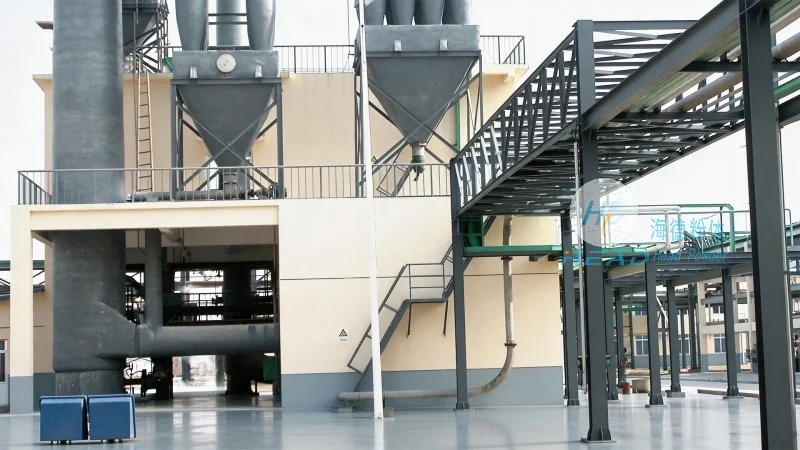
Product Overview: Activated Carbon Powder Pneumatic Conveying Machine
HeadPowder, as a professional provider in the field, offers advanced activated carbon powder pneumatic conveying machines designed to meet the diverse needs of industrial applications. These machines are engineered to ensure reliable, low-cost, and safe transportation of activated carbon powders, which are widely used in environmental protection, water treatment, and chemical processing industries. The equipment is tailored to handle the unique properties of activated carbon, such as its fine particle size and high adsorption capacity, while maintaining optimal performance and efficiency.
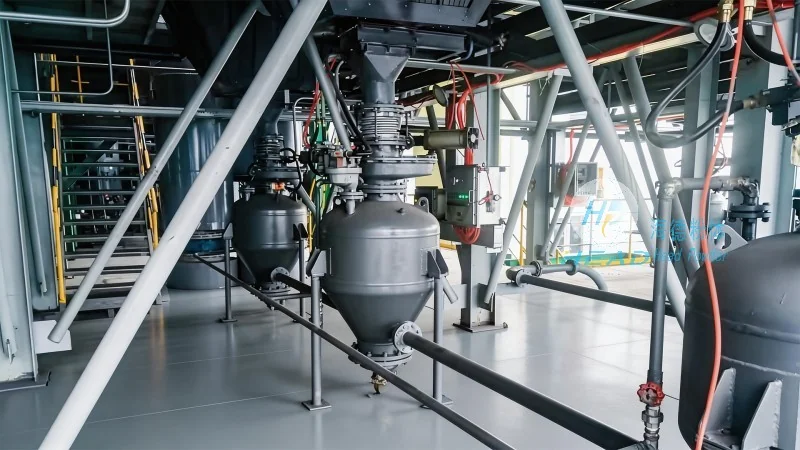
Working Principle of Pneumatic Conveying Systems
The core principle of pneumatic conveying involves the use of air or gas to transport solid particles through a pipeline. In the case of activated carbon powder systems, the process typically operates under positive pressure or negative pressure, depending on the specific application requirements. Positive pressure systems use a blower or compressor to force air and powder through the pipeline, while negative pressure systems employ a vacuum to draw the material from the source. The machine's design incorporates components like feeders, conveying lines, and separation units to ensure smooth and continuous material flow. The air-powder mixture is carefully controlled to maintain the desired velocity and pressure, preventing issues like particle segregation or blockage in the pipeline.
Key Characteristics of Working Scenes
The operational environments for activated carbon powder pneumatic conveying machines vary significantly based on the industry and application. For instance, in water treatment facilities, these machines are used to transport activated carbon from storage silos to filtration units, where the carbon's adsorption properties are utilized to remove contaminants from water. In chemical processing plants, they may be employed to move activated carbon between reactors and regeneration systems, ensuring consistent material handling throughout the production cycle. The working scenes often require robust equipment capable of handling abrasive materials and maintaining high efficiency under continuous operation. Additionally, the machines are designed to minimize dust emissions and ensure compliance with environmental regulations, making them suitable for modern industrial settings.
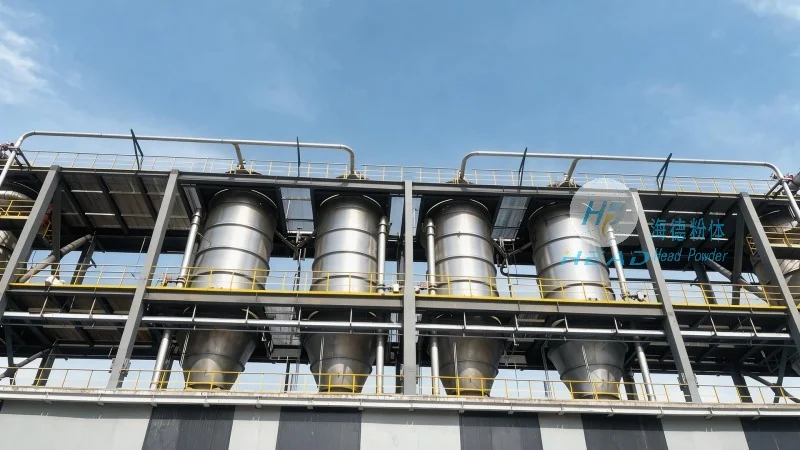
Application Scenarios and Operational Advantages
Activated carbon powder pneumatic conveying machines are widely adopted in various industrial scenarios due to their flexibility and efficiency. In environmental protection projects, they facilitate the rapid and safe transport of activated carbon for air and water purification, contributing to cleaner industrial processes. The machines also offer advantages such as reduced labor costs, as they automate the material handling process, and improved safety by eliminating manual handling of powders. Furthermore, their compact design allows for easy integration into existing production lines, making them a practical solution for both new and retrofit installations. The operational characteristics, including low maintenance requirements and high reliability, make these machines a preferred choice for industries seeking sustainable and efficient material transport solutions.