

Principle and Working Scene Characteristics of Calcium Chloride Material Pneumatic Conveying Equipme
HeadPowder, a leading provider of material handling solutions, specializes in the design and manufacturing of advanced pneumatic conveying systems tailored for various industrial applications. This article delves into the core principles and operational characteristics of calcium chloride material pneumatic conveying equipment, highlighting its efficiency and adaptability in handling this specific chemical material.
Introduction to Calcium Chloride Material Pneumatic Conveying
Calcium chloride (CaCl₂) is a widely used industrial chemical with applications ranging from de-icing to water treatment and food processing. The efficient and safe transportation of calcium chloride from storage to processing units is crucial for maintaining production efficiency and ensuring product quality. Pneumatic conveying systems offer a reliable solution for this purpose, especially when dealing with bulk materials like calcium chloride, which can be challenging to handle using traditional methods such as belt conveyors or screw conveyors.
Principle of Pneumatic Conveying for Calcium Chloride
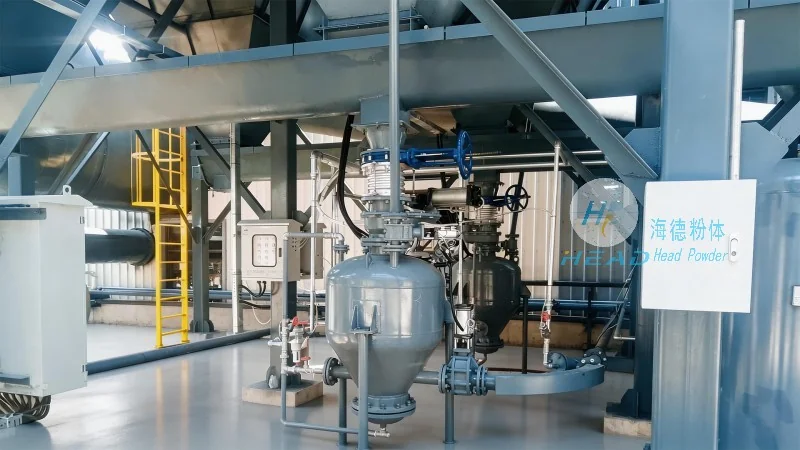
The fundamental principle of pneumatic conveying involves the use of compressed air or other gases to transport bulk materials through a pipeline. In the case of calcium chloride, the system typically operates on the basis of creating a pressure differential between the inlet and outlet of the conveying line. The equipment includes a hopper for material storage, a rotary valve or feeder to control the flow rate, a compressor to supply the necessary air pressure, and a pipeline network that transports the material to the destination point. The design of the system is critical to ensure that the calcium chloride particles are conveyed without degradation, clogging, or excessive wear on the equipment components.
Key Components and Their Functions
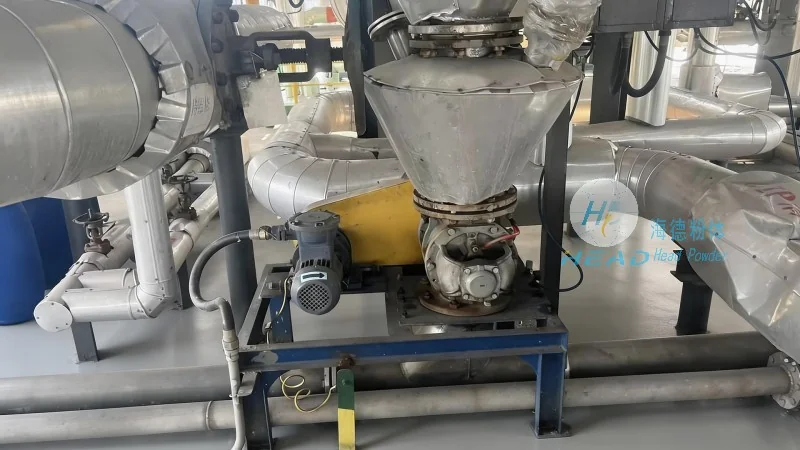
Several key components work in tandem to ensure the smooth operation of a calcium chloride pneumatic conveying system. The hopper serves as the storage vessel, providing a consistent feed of material to the system. The rotary valve or feeder is responsible for controlling the discharge rate of the material, preventing overloading and ensuring a steady flow. The compressor generates the required air pressure, which is then directed into the pipeline. The pipeline itself is typically made of materials resistant to corrosion and abrasion, such as stainless steel or special alloys, to withstand the chemical properties of calcium chloride. Additionally, the system may include filters and cyclones to separate the material from the air and return the air to the compressor for reuse, enhancing energy efficiency and reducing operational costs.
Working Scene Characteristics and Applications
The working scene characteristics of calcium chloride pneumatic conveying equipment are tailored to meet the specific demands of various industrial environments. For instance, in chemical manufacturing plants, the system is often integrated into a larger production line, where calcium chloride is used as an intermediate or final product. The equipment is designed to handle high volumes of material with minimal downtime, ensuring continuous production. In construction and infrastructure projects, the system may be used for de-icing applications, where calcium chloride is transported to storage or application sites quickly and efficiently. The adaptability of the system allows it to be configured for different operating conditions, such as varying material moisture content or particle size distribution.
Advantages of Using Pneumatic Conveying for Calcium Chloride
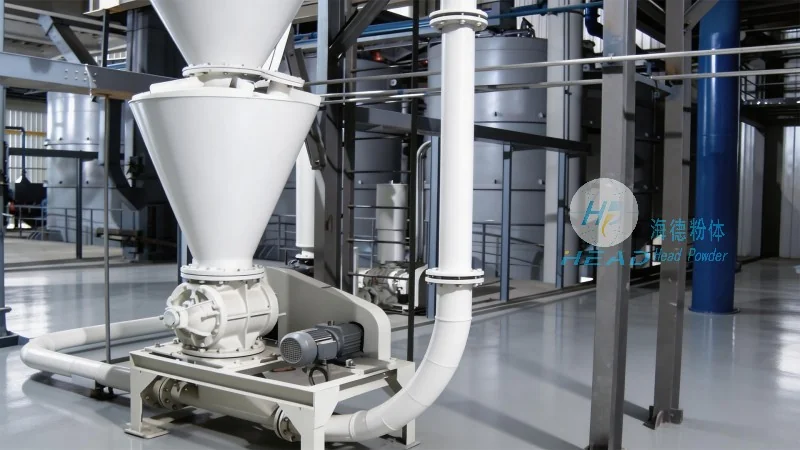
Compared to traditional material handling methods, pneumatic conveying offers several advantages when handling calcium chloride. Firstly, it eliminates the need for manual handling, reducing the risk of workplace accidents and improving safety. Secondly, it provides a closed system, which helps in controlling dust emissions and preventing contamination of the material. Thirdly, the system is highly efficient in terms of energy consumption, as the air can be recycled and reused, reducing operational costs. Additionally, the equipment is compact and can be installed in confined spaces, making it suitable for facilities with limited floor space. The ability to convey calcium chloride over long distances without the need for intermediate storage points also enhances the overall operational flexibility of the system.
Considerations for System Design and Maintenance
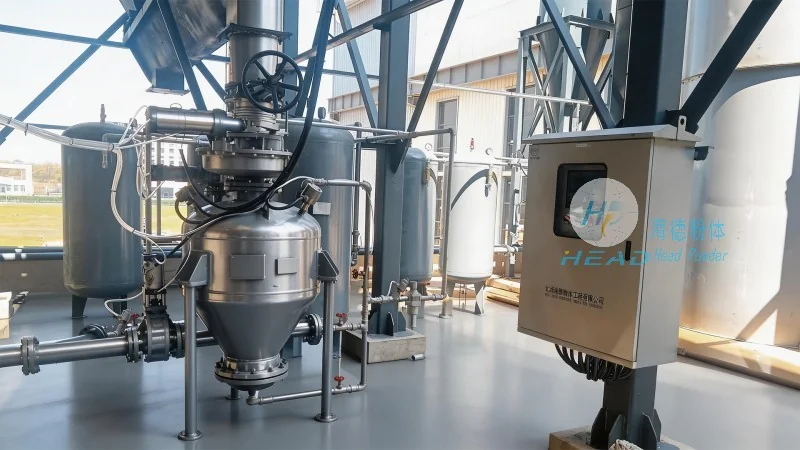
When designing a calcium chloride pneumatic conveying system, several factors must be considered to ensure optimal performance and longevity. The particle size and moisture content of the calcium chloride are critical, as they affect the flow characteristics and the risk of clogging. The system must be designed to handle these variations, possibly incorporating features such as pre-drying or size reduction. Regular maintenance is essential to prevent equipment failure and ensure consistent performance. This includes checking the compressor for proper air pressure, inspecting the pipeline for signs of wear or corrosion, and cleaning the filters and cyclones to maintain air quality. Proper maintenance not only extends the lifespan of the equipment but also reduces the likelihood of material degradation or system downtime.
Conclusion
Calcium chloride material pneumatic conveying equipment, as provided by HeadPowder, represents a sophisticated and efficient solution for the transportation of this vital industrial chemical. By leveraging the principles of pneumatic conveying, the system offers advantages such as safety, efficiency, and adaptability, making it an ideal choice for various industrial applications. With its robust design and comprehensive maintenance support, this equipment ensures reliable and continuous operation, contributing to the overall productivity and success of industrial operations.