

Principle and Working Scene Characteristics of Pneumatic Conveying Equipment for Molybdenum Oxide Ma
HeadPowder, a leading engineering company based in Shandong, China, specializes in the design and manufacturing of advanced pneumatic conveying systems tailored for handling molybdenum oxide materials. This article explores the fundamental principles behind such equipment and highlights the key working scene characteristics that make them suitable for various industrial applications. The company, with its headquarters in Shandong, leverages over two decades of experience in material handling technology to deliver customized solutions that meet the unique demands of molybdenum oxide processing industries.
The Core Principle of Pneumatic Conveying Systems
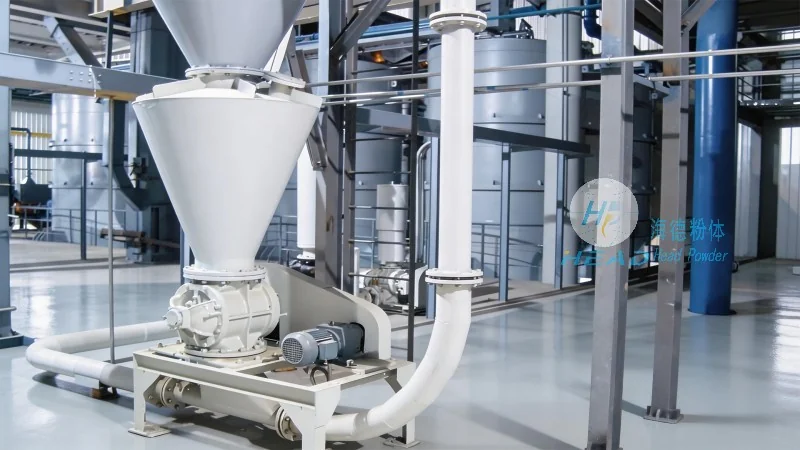
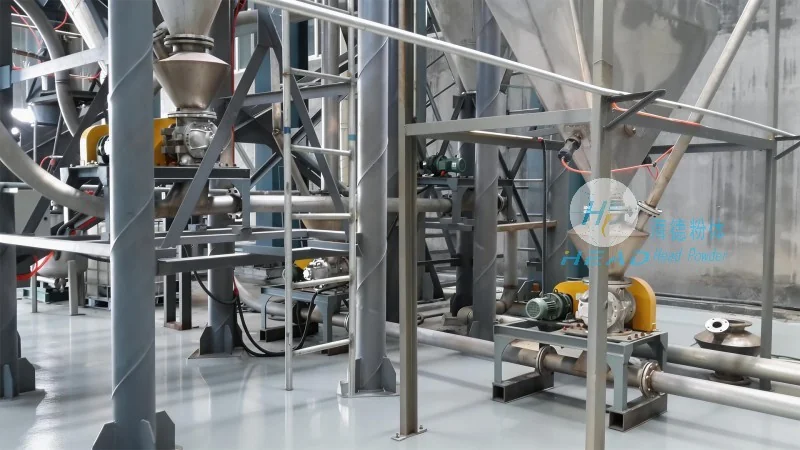
Pneumatic conveying equipment operates on the principle of transporting bulk materials through a pipeline using a gas stream, typically air or other gases. For molybdenum oxide, which is often a fine powder or granular material with a density ranging from 4.5 to 5.0 g/cm³, the system relies on creating a pressure differential or using vacuum to move the material from the source to the destination. The process involves several key components, including a feeder, a conveying line, a separator, and a receiver. The feeder ensures a consistent flow of material into the system, often using a rotary valve or screw feeder to control the discharge rate. The conveying line, usually made of stainless steel or other corrosion-resistant materials, transports the material under controlled pressure, which can be positive pressure (air pushing the material) or negative pressure (vacuum pulling the material). The separator then separates the material from the air stream, typically through a cyclone or bag filter, and the receiver collects the processed material. This integrated approach allows for efficient and dust-free transfer of molybdenum oxide, minimizing material loss and contamination. The system's design is optimized to handle the material's flowability and to prevent blockages or agglomeration, which are common issues with fine powders like molybdenum oxide.