

Operation Process and Working Principle of High-Pressure Powder Conveying Lines
High-pressure powder conveying lines are critical systems in industrial applications, designed to transport bulk powders efficiently and reliably. Understanding their operation process and working principles is essential for optimizing performance and ensuring safety in various processing environments. This article provides a detailed overview of how these systems function, covering key components, operational steps, and the underlying technology that enables effective powder handling.
Introduction to High-Pressure Powder Conveying Lines
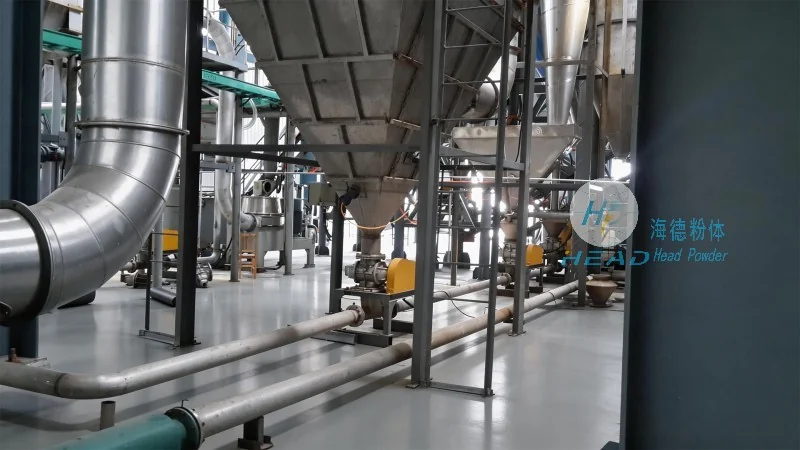
High-pressure powder conveying lines, also known as pneumatic conveying systems, are engineered to move dry powders through pipelines using compressed air or other gases. These systems are widely used in industries such as pharmaceuticals, food processing, chemicals, and minerals, where precise and controlled powder transport is required. The design of these lines typically involves a combination of components, including a feeding device, a conveying line, a control system, and a discharge mechanism. Each component plays a vital role in the overall operation, ensuring that powders are transported with minimal degradation and maximum efficiency.
Key Components of High-Pressure Powder Conveying Systems
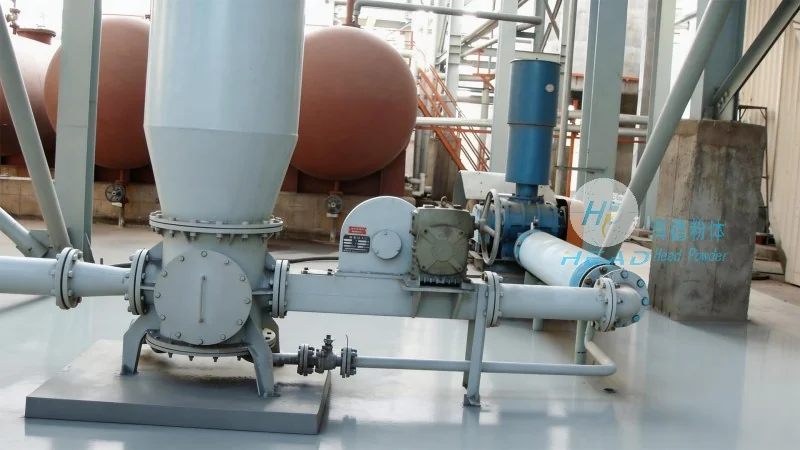
The effectiveness of a high-pressure powder conveying line depends on the integration of several key components. The feeding device, often a hopper or a rotary valve, is responsible for introducing the powder into the system at a controlled rate. This ensures a consistent flow of material, preventing blockages and maintaining system stability. The conveying line itself is usually made of materials like stainless steel or plastic, chosen for their resistance to corrosion and wear from the powder. Compressed air or gas is supplied through a blower or compressor, creating the pressure differential necessary to move the powder. The control system monitors and regulates the pressure, flow rate, and other parameters to maintain optimal operation. Finally, the discharge mechanism, such as a rotary valve or a receiver, collects the powder at the end of the line, ensuring a clean and efficient transfer.
Operation Process of High-Pressure Powder Conveying Lines
The operation of a high-pressure powder conveying line involves a series of sequential steps that ensure the smooth transport of powders. The process begins with the preparation of the powder, where it is stored in a hopper or silo and prepared for feeding. The feeding device then introduces the powder into the conveying line at a controlled rate, ensuring that the flow is consistent and does not exceed the system's capacity. Compressed air is then introduced into the line, creating a pressure difference between the inlet and outlet. This pressure differential propels the powder particles through the pipeline, as the air flows around and through the powder, forming a slurry-like mixture known as a "pneumatic stream." The speed and pressure of the air determine the conveying velocity, which must be sufficient to overcome the friction and gravity forces acting on the powder. As the powder travels through the line, it may encounter bends, expansions, or other components that require adjustments to maintain the flow. The control system continuously monitors the pressure and flow rate, making real-time adjustments to ensure that the system operates within safe and efficient parameters.
Working Principle of High-Pressure Powder Conveying Lines
The working principle of high-pressure powder conveying lines is based on the fundamental concept of pneumatic transport. When compressed air is introduced into the conveying line, it creates a pressure gradient that drives the powder particles forward. The air acts as a carrier, surrounding the powder and providing the necessary force to move it through the pipeline. The key to efficient conveying is the balance between the air velocity and the powder's terminal velocity. If the air velocity is too low, the powder may settle and cause blockages; if it is too high, excessive energy consumption and potential degradation of the powder may occur. The system's design, including the diameter of the line, the length of the run, and the type of bends, all influence the optimal air velocity required for effective conveying. Additionally, the properties of the powder, such as its density, particle size, and flowability, play a crucial role in determining the system's performance. For example, cohesive or fine powders may require higher air velocities or specialized conveying methods to prevent clogging.
Applications and Benefits of High-Pressure Powder Conveying Lines
High-pressure powder conveying lines are employed in a wide range of industrial applications due to their versatility and efficiency. In the pharmaceutical industry, these systems are used to transport active pharmaceutical ingredients (APIs) and excipients with high precision, ensuring that the powder remains sterile and free from contamination. In food processing, they are used to move ingredients like flour, sugar, and spices, maintaining product quality and hygiene. The chemical industry utilizes these lines for transporting bulk chemicals, such as powders used in manufacturing plastics or fertilizers. The minerals industry also benefits from high-pressure conveying lines, which are used to transport raw materials like ores and minerals from processing plants to storage facilities. The primary benefits of these systems include improved safety, as they eliminate the need for manual handling of powders, reduced labor costs, and increased efficiency in material transport. Additionally, high-pressure conveying lines can handle a wide variety of powder types, making them suitable for diverse industrial needs.
Maintenance and Safety Considerations for High-Pressure Powder Conveying Lines
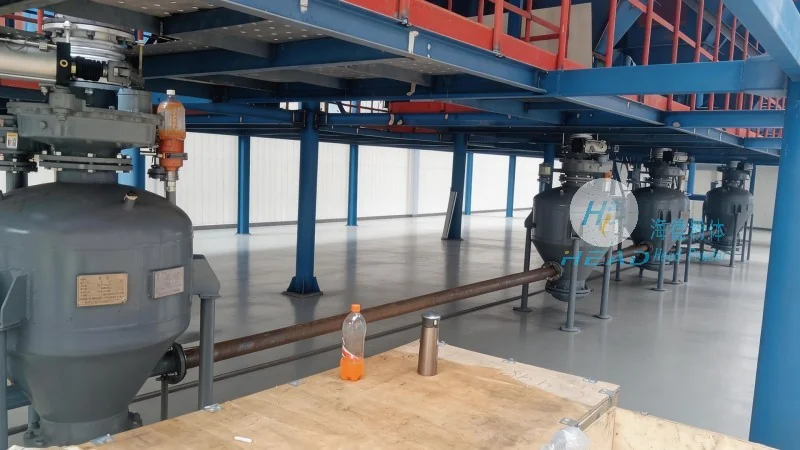
Maintaining the performance and safety of high-pressure powder conveying lines is essential for long-term operation. Regular maintenance is required to ensure that all components are functioning correctly and that the system operates efficiently. This includes checking the condition of the conveying line for signs of wear or corrosion, inspecting the feeding device for blockages or wear, and verifying that the control system is functioning properly. The blower or compressor should also be checked regularly to ensure that it is operating at the correct pressure and flow rate. Safety considerations are also critical when operating high-pressure powder conveying lines. The system should be equipped with pressure relief valves to prevent over-pressurization, and proper grounding should be implemented to avoid electrical hazards. Additionally, personnel should be trained on the proper operation and maintenance of the system to minimize the risk of accidents. Proper ventilation is also necessary to prevent the accumulation of dust or other airborne particles, which can pose health risks. By adhering to these maintenance and safety guidelines, operators can ensure that high-pressure powder conveying lines operate reliably and safely for extended periods.
Conclusion
High-pressure powder conveying lines are sophisticated systems that play a vital role in the efficient and safe transport of bulk powders in various industrial applications. Understanding their operation process and working principles is crucial for optimizing performance and ensuring system reliability. The integration of key components, such as feeding devices, conveying lines, control systems, and discharge mechanisms, enables these systems to transport powders with minimal degradation and maximum efficiency. By adhering to proper maintenance and safety practices, operators can ensure that high-pressure powder conveying lines continue to provide reliable service, supporting the productivity and success of industrial operations.