

Operation Process and Working Principle of Powder Handling Equipment for Lithium-Ion Battery Anode M
HeadPowder, a leading manufacturer in the field of powder handling technology, specializes in providing advanced equipment for the lithium-ion battery industry. This article delves into the operation process and working principle of their powder handling equipment designed specifically for anode materials in lithium batteries. The equipment is engineered to ensure efficient, safe, and precise handling of fine powders, which are critical components in modern battery production.
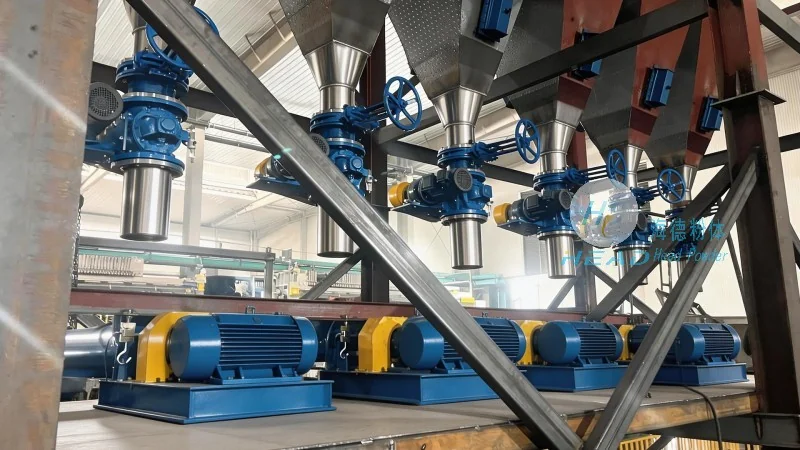
Overview of the Equipment and Its Role in Lithium-Ion Battery Production
The powder handling equipment from Shandong HeadPowder Engineering Co., Ltd. is a vital component in the production line for lithium-ion batteries. Anode materials, such as graphite or silicon-based powders, require specialized handling to maintain their quality and prevent contamination. The equipment is designed to handle these materials from raw material storage to the final processing stage, ensuring a seamless workflow in the battery manufacturing process. By integrating advanced control systems and robust construction, the equipment meets the stringent requirements of the battery industry, including high purity standards and consistent particle size distribution.
Key Components and Their Functions
The operation of the powder handling equipment involves several key components that work in tandem to achieve efficient material transport. The primary components include a hopper for material storage, a feeder system to control the flow rate, a conveyor or pneumatic system for transportation, and a control panel for monitoring and adjustment. Each component plays a crucial role in maintaining the integrity of the anode material during handling.
The hopper is typically made of stainless steel or other corrosion-resistant materials to prevent contamination from the environment. It is designed with a large capacity to accommodate bulk raw materials, ensuring a continuous supply to the processing line. The feeder system, often a rotary valve or a screw feeder, regulates the flow of powder from the hopper to the next stage. This component is critical for controlling the flow rate, which directly impacts the consistency of the material being processed. The conveyor or pneumatic system then transports the powder to the next processing unit. For high-purity applications, a pneumatic system is preferred as it minimizes particle attrition and contamination compared to mechanical conveyors.
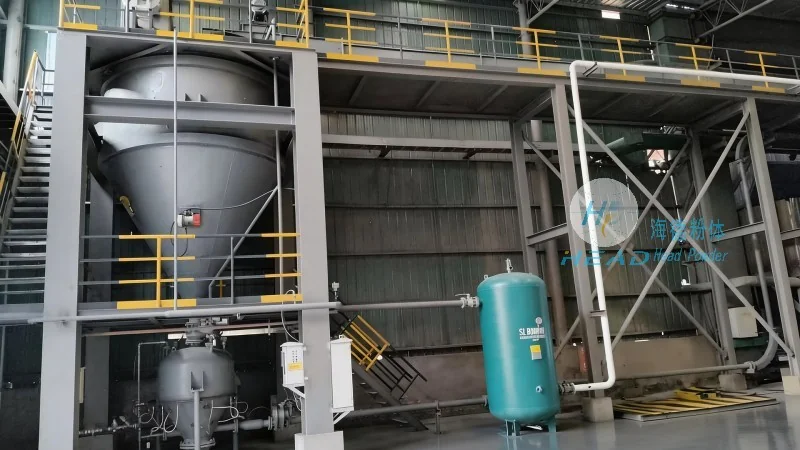
The Working Principle: From Material Loading to Discharge
The working principle of the powder handling equipment can be broken down into several stages, each ensuring the smooth and efficient movement of anode materials. The process begins with material loading into the hopper. The hopper is filled with the raw anode powder, which is then discharged into the feeder system. The feeder controls the flow rate, which is adjusted based on the production requirements. The controlled flow then moves into the conveyor or pneumatic system, which transports the powder to the next processing unit, such as a mixer or a coating machine.
During the transportation process, the equipment uses advanced sensors and control systems to monitor the flow rate, pressure, and temperature. These sensors provide real-time data to the control panel, allowing operators to make adjustments as needed. The control panel is equipped with user-friendly interfaces that enable operators to set parameters, monitor the process, and troubleshoot any issues that may arise. The system is designed to operate with minimal human intervention, reducing the risk of human error and ensuring consistent performance.
Operational Steps and Process Flow
The operation of the powder handling equipment follows a systematic process flow that ensures the efficient handling of anode materials. The first step is the preparation of the equipment, which includes checking the hopper, feeder, and conveyor systems for any blockages or malfunctions. The hopper is then filled with the required anode powder, and the feeder is set to the appropriate flow rate. The system is then started, and the powder is transported to the next stage of the production line.
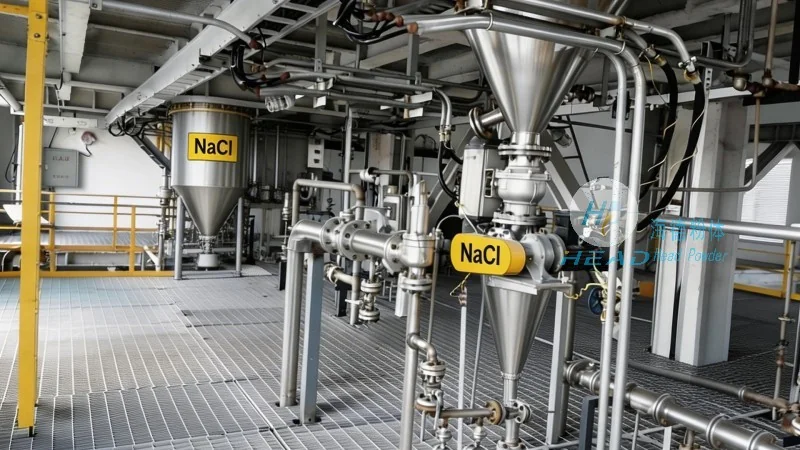
During operation, the control panel displays real-time data on the flow rate, pressure, and temperature. Operators can monitor these parameters to ensure that the process is running smoothly. If any issues are detected, such as a blockage in the conveyor or an abnormal flow rate, the system will alert the operator, who can then take corrective action. The equipment is designed to stop automatically if any critical parameter is exceeded, preventing damage to the equipment or the material.
The discharge process is the final stage of the operation, where the powder is delivered to the mixing or coating equipment. The discharge is controlled by the feeder system, which ensures a consistent flow rate. The powder is then transferred to the next processing unit, where it is mixed with other components or coated to form the final anode material. The entire process is automated, with minimal human intervention, ensuring high efficiency and consistency.
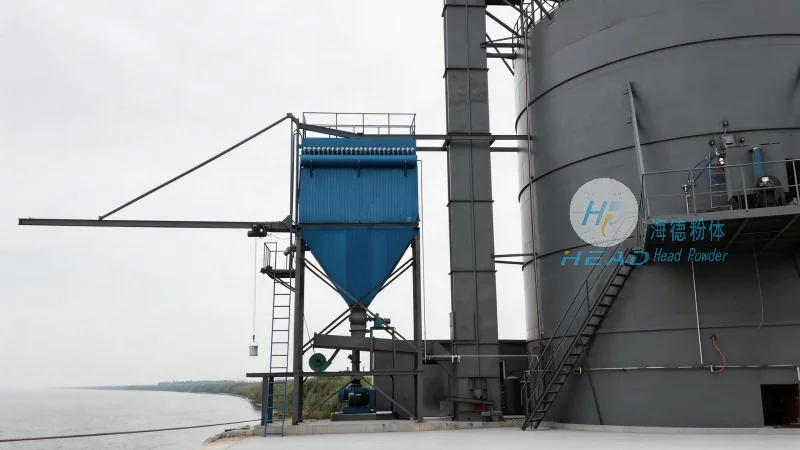
Ensuring Efficiency and Reliability in Production
Efficiency and reliability are crucial factors in the operation of powder handling equipment for lithium-ion battery anode materials. The equipment from Shandong HeadPowder Engineering Co., Ltd. is designed to maximize production efficiency while maintaining the quality of the anode material. The advanced control systems and robust construction ensure that the equipment operates reliably over long periods, with minimal downtime for maintenance.
The equipment is also designed to be easy to maintain and service. Regular maintenance, such as cleaning the hopper and feeder, checking the conveyor belts, and replacing worn parts, is essential to ensure the equipment's longevity and performance. The company provides comprehensive maintenance services to its clients, including on-site support and spare parts supply, to minimize downtime and ensure smooth operation.
In addition to efficiency and reliability, the equipment is designed to meet the stringent environmental and safety standards of the battery industry. The use of corrosion-resistant materials and sealed systems prevents contamination and ensures a safe working environment. The equipment is also equipped with safety features, such as emergency stop buttons and overload protection, to prevent accidents and ensure the safety of operators.