

Operation Process and Working Principle of Sawdust and Wood Flour Powder Conveying Equipment
Efficient and reliable powder conveying systems are essential in industrial settings, especially when handling materials like sawdust and wood flour. The operation process and working principle of the sawdust and wood flour powder conveying equipment developed by Shandong HeadPowder Engineering Co., Ltd. are engineered to deliver optimal performance while ensuring safety and efficiency in material handling operations.
Company Overview
HeadPowder, the manufacturer behind this advanced conveying solution, is a leading enterprise based in Shandong, China. Committed to innovation and quality, HeadPowder specializes in engineering and manufacturing high-performance powder handling equipment. The company’s headquarters and primary operations are situated in Shandong, providing a robust foundation for delivering dependable and efficient solutions to clients globally.
Operation Process of the Powder Conveying Equipment
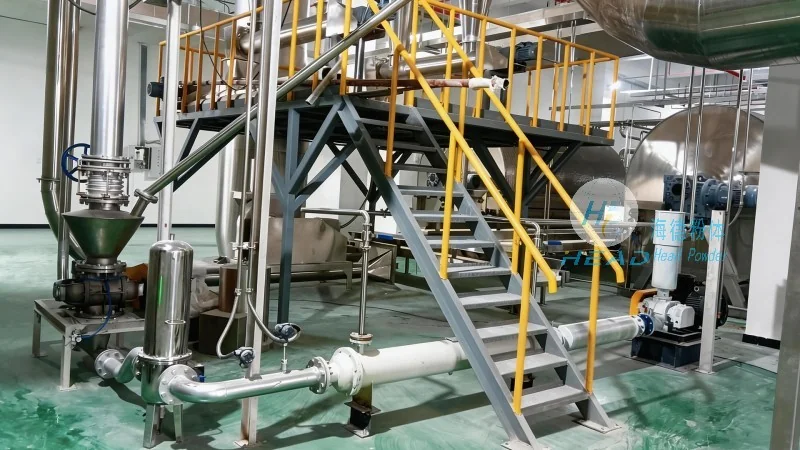
The operation process of the sawdust and wood flour powder conveying equipment begins with system preparation and inspection. Before activation, all components—including the hopper, conveyor mechanism, and control panels—are verified for proper installation and security. The start-up procedure involves activating the motor, which powers the conveyor system. This motor drives the conveyor (either a belt or screw, depending on design) to initiate material transport from the hopper to the discharge point.
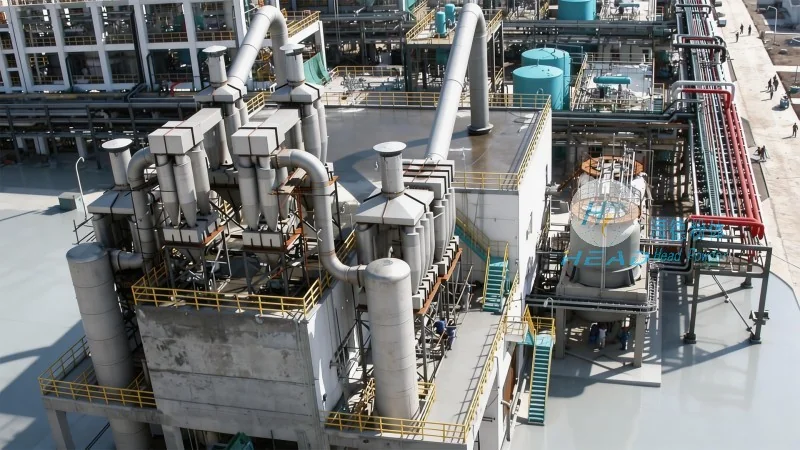
During operation, the system continuously monitors flow rate and pressure to maintain consistent performance. The control panel allows operators to adjust parameters like speed and pressure as needed, ensuring material is conveyed at an optimal rate and preventing blockages or overloading. The process continues until the material is fully transferred to the designated destination. Upon completion, the system is shut down following a standard procedure: the motor is stopped, and the conveyor is allowed to come to a complete stop before any maintenance or cleaning activities commence.
Working Principle of the Powder Conveying Equipment
The working principle of the sawdust and wood flour powder conveying equipment centers on mechanical energy conversion and material transport mechanisms. Core components include a hopper, conveyor system (such as a screw or pneumatic conveyor), and a control system. The hopper stores raw material, which is fed into the conveyor. The conveyor, driven by an electric motor, moves the material through the system. For screw conveyors, a rotating screw pushes material forward; for pneumatic conveyors, compressed air transports powder in a sealed pipeline.
The control system is critical for regulation. Sensors and feedback mechanisms monitor flow rate, pressure, and temperature to ensure safe and efficient operation. This enables real-time adjustments to maintain optimal performance. The equipment is designed to handle the unique properties of sawdust and wood flour—lightweight, fine particles—which can be challenging to transport without specialized equipment. Features like aeration and vibration are incorporated to prevent buildup and ensure smooth flow.
Key Features and Benefits
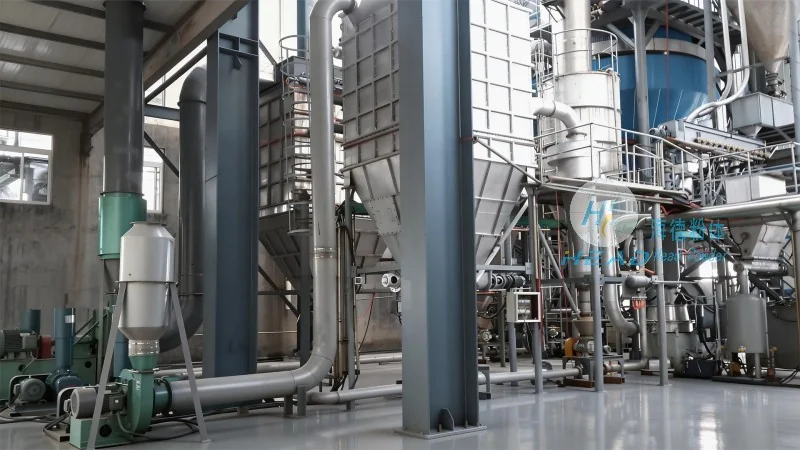
The sawdust and wood flour powder conveying equipment from HeadPowder offers several key features enhancing performance and reliability. These include high efficiency in material transport, low maintenance requirements, and robust construction to withstand industrial demands. The system is also designed with safety in mind, incorporating overload protection and emergency stop buttons. Additionally, its modular design allows easy integration into existing production lines and customization to meet specific client needs.
Conclusion
In summary, the operation process and working principle of the sawdust and wood flour powder conveying equipment from Shandong HeadPowder Engineering Co., Ltd. provide a reliable and efficient solution for handling fine powders. The equipment’s design and features ensure optimal performance, safety, and adaptability to various industrial applications. By understanding the operation process and working principle, users can better utilize and maintain the equipment, maximizing its lifespan and productivity.