

Operation Process and Working Principle of Soybean Grain Powder Conveying System Equipment
HeadPowder, a leading enterprise in the field of powder handling technology, specializes in the design, manufacturing, and supply of advanced conveying systems for bulk materials. Based in Shandong, China, the company has established itself as a trusted provider of high-efficiency equipment tailored for the soybean grain industry. This article delves into the operation process and working principle of the soybean grain powder conveying system equipment, highlighting its key components, functional mechanisms, and the efficiency it brings to material handling operations.
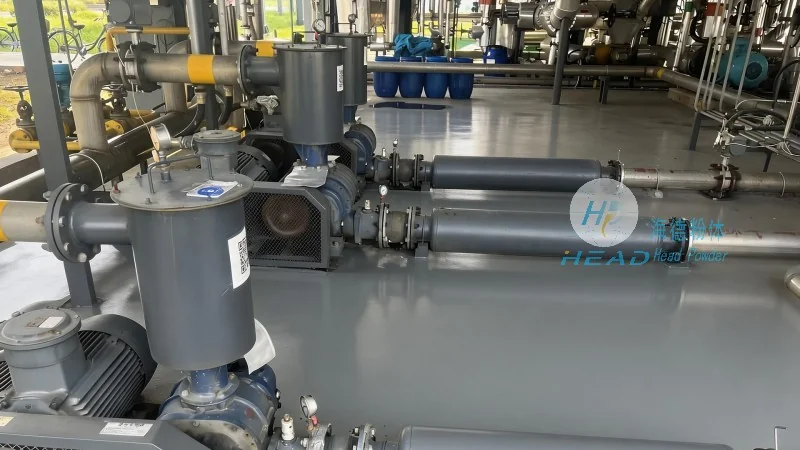
Overview of the Soybean Grain Powder Conveying System
The soybean grain powder conveying system is a sophisticated piece of machinery engineered to handle the transportation of soybean grains and other similar bulk powders with precision and reliability. At the core of this system lies a combination of mechanical, pneumatic, and control components that work in harmony to ensure smooth and continuous material flow. The system is designed to meet the demanding requirements of modern agricultural and food processing industries, where efficient material handling is crucial for maintaining productivity and product quality.
Key Components and Their Functions
The soybean grain powder conveying system comprises several critical components, each playing a vital role in the overall operation. The main parts include the hopper for material storage, the feeder to regulate the flow of powder, the conveying pipeline or ductwork, the drive system for power transmission, and the control panel for system management. The hopper is typically made of durable materials such as stainless steel or high-density plastic, ensuring resistance to corrosion and wear from the abrasive nature of soybean grains. The feeder, often a rotary valve or a screw feeder, is responsible for controlling the discharge rate of the material, preventing overloading and ensuring a consistent flow into the conveying pipeline. The conveying pipeline may utilize either pneumatic (air-assisted) or mechanical (belt or screw) methods, depending on the specific application and material characteristics. The drive system, which can be electric motors or pneumatic actuators, provides the necessary force to move the material through the pipeline. Finally, the control panel integrates sensors, valves, and a user interface to monitor and adjust the system's performance in real-time.
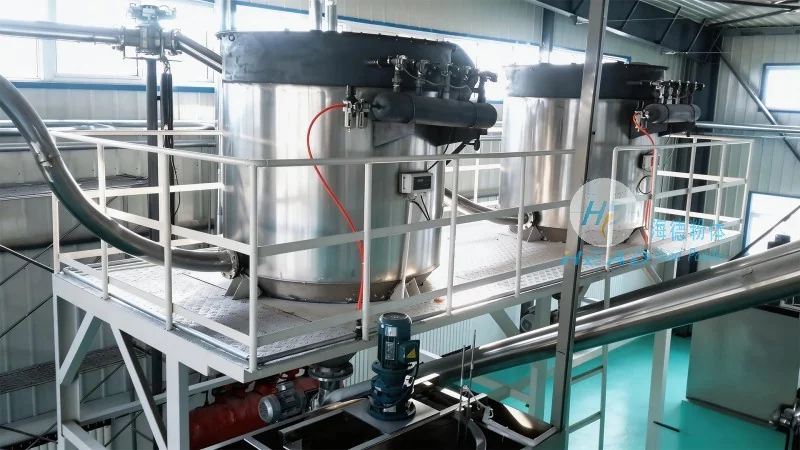
Operation Process of the Conveying System
The operation of the soybean grain powder conveying system follows a systematic sequence that ensures efficient material transfer from the storage hopper to the processing or packaging area. The process begins with the loading of soybean grains into the hopper. Once the hopper is filled, the feeder starts to regulate the flow of material, allowing a controlled amount to enter the conveying pipeline. The drive system then activates, moving the material through the pipeline using either air pressure (in pneumatic systems) or mechanical force (in mechanical systems). As the material travels through the pipeline, it is propelled by the airflow or the rotating components of the conveyor, maintaining a consistent velocity and preventing blockages. The control panel continuously monitors key parameters such as pressure, flow rate, and temperature, adjusting the system's settings as needed to maintain optimal performance. When the material reaches the destination point, such as a silo or a processing unit, the system automatically stops or redirects the flow, ensuring precise delivery. The entire operation is designed to be automated, minimizing the need for manual intervention and reducing the risk of human error.
Working Principle of the Conveying System
The working principle of the soybean grain powder conveying system is based on the fundamental principles of fluid dynamics and mechanical engineering. In pneumatic conveying systems, the material is suspended in a stream of air and transported through the pipeline. The air is typically generated by a blower or a compressor, creating a pressure differential that moves the material. The velocity of the air is carefully controlled to ensure that the material particles are fully entrained and do not settle out of the air stream. In mechanical conveying systems, such as screw conveyors or belt conveyors, the material is moved by the rotation of a screw or the movement of a belt. The screw or belt rotates at a specific speed, pushing the material forward through the pipeline. The design of the conveying components, including the angle of the screw and the spacing of the belt, is optimized to minimize friction and maximize efficiency. The control system plays a crucial role in maintaining the stability of the conveying process by adjusting the air pressure or motor speed based on real-time feedback from sensors. This closed-loop control ensures that the system operates within the optimal range, preventing overloading, underloading, or other operational issues.
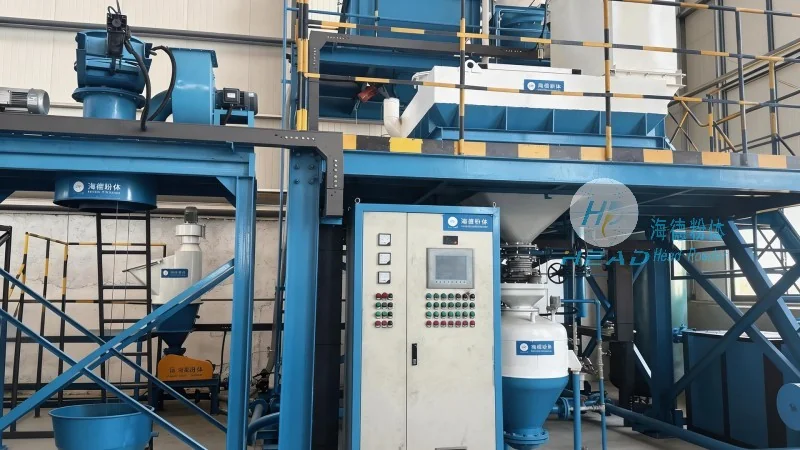
Advantages of the Soybean Grain Powder Conveying System
The soybean grain powder conveying system offers several advantages that make it an ideal choice for bulk material handling in the agricultural and food processing sectors. Firstly, it provides a high level of efficiency, with the ability to transport large quantities of soybean grains over long distances with minimal energy consumption. The system is also highly flexible, allowing for easy integration with existing processing lines and the ability to adapt to different material characteristics. Additionally, the system is designed for low maintenance, with durable components that resist wear and corrosion, reducing downtime and operational costs. The automated control system enhances safety by minimizing human exposure to the material and reducing the risk of accidents. Finally, the system contributes to improved product quality by preventing contamination and ensuring consistent material flow, which is critical for maintaining the quality of soybean-based products.
Conclusion
HeadPowder's soybean grain powder conveying system equipment exemplifies advanced powder handling technology, combining efficiency, reliability, and durability to meet the demanding needs of the soybean grain industry. Through its systematic operation process and well-defined working principles, the system ensures seamless material transportation from storage to processing, contributing to increased productivity and product quality. As a trusted provider based in Shandong, China, HeadPowder continues to innovate and deliver high-quality conveying solutions that enhance the operational performance of its clients in the agricultural and food processing sectors.