

Operation Process and Working Principle of the Headpowder Polystyrene Powder Conveying System Equipm
Headpowder, as a professional manufacturer based in Shandong, China, specializes in the development and production of advanced powder conveying systems. The company's core product, the polystyrene powder conveying system equipment, is designed to meet the precise requirements of material handling in various industrial applications.
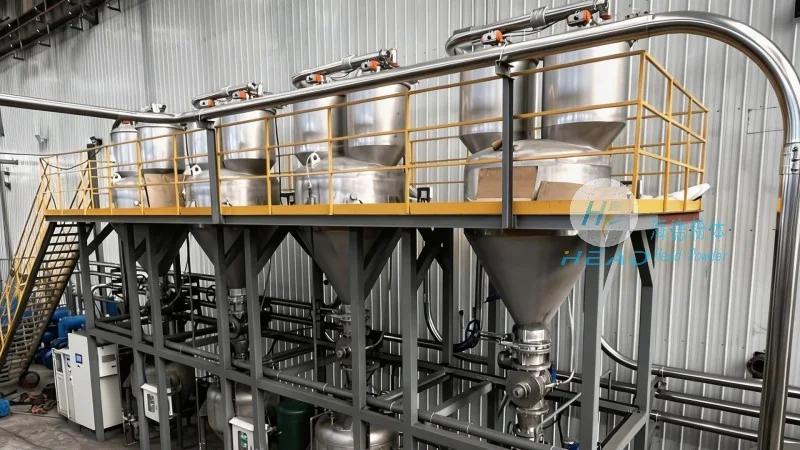
Overview of the Polystyrene Powder Conveying System
The polystyrene powder conveying system is a sophisticated piece of equipment engineered to efficiently transport polystyrene powder from storage to processing units. It integrates multiple components, including feeders, conveyors, and control systems, to ensure a smooth and reliable material flow. This system is particularly suitable for industries such as plastics manufacturing, where consistent and high-quality powder transfer is critical for production efficiency.
Key Components and Their Functions
The system comprises several key components that work in tandem to achieve optimal performance. The feeder is responsible for uniformly feeding the polystyrene powder into the conveying line, preventing blockages and ensuring a steady flow. The conveyor system transports the powder through the system. The control unit monitors and regulates the entire process, adjusting parameters like pressure and flow rate as needed. Each component is carefully designed to handle the specific characteristics of polystyrene powder, such as its light weight and potential for static accumulation.
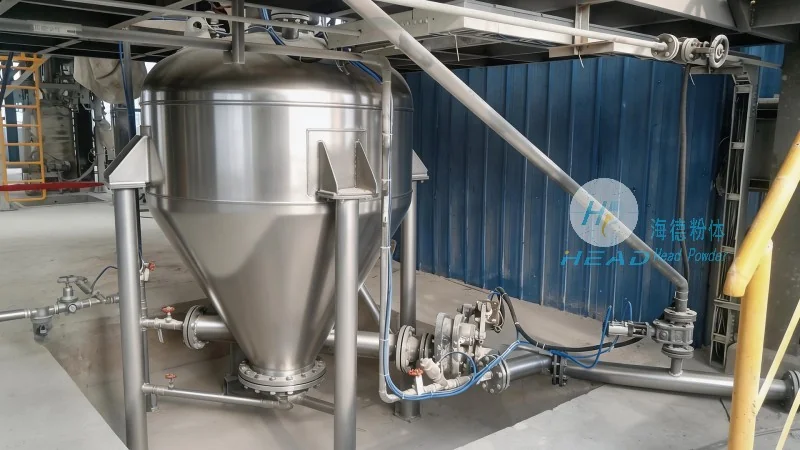
Operation Process of the System
The operation of the polystyrene powder conveying system follows a systematic sequence to ensure efficient material handling. Initially, the polystyrene powder is loaded into the storage hopper. The feeder then activates, drawing the powder into the conveying line. The conveyor system transports the powder to the desired destination, such as a mixing or molding unit. The control system continuously monitors the process, adjusting the feed rate and pressure to maintain a consistent flow. This process minimizes downtime and maximizes productivity, making it an essential tool for modern industrial operations.
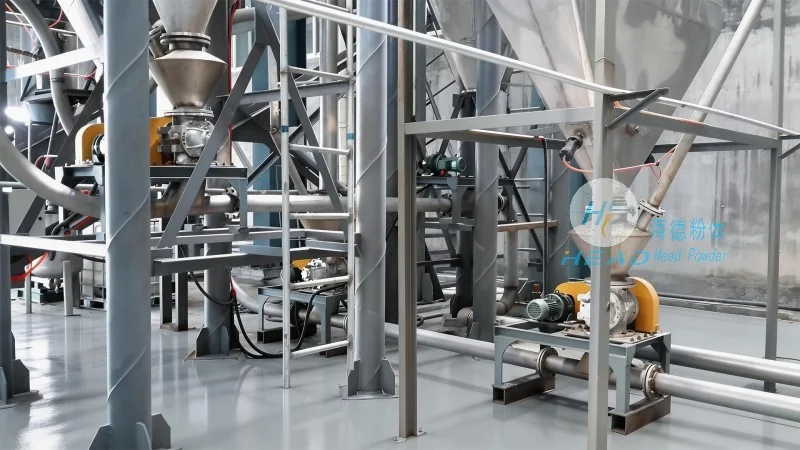
Working Principle of the System
The working principle of the polystyrene powder conveying system is based on the principles of pneumatic or mechanical conveying. In pneumatic systems, compressed air is used to create a flow that moves the powder particles through the system. The air pressure and velocity are carefully controlled to prevent particle degradation and ensure efficient transport. Mechanical systems, on the other hand, use rotating components like screws or belts to move the powder. Both methods are effective, but the choice depends on the specific characteristics of the material and the application requirements. The system's design ensures that the polystyrene powder is handled gently, preserving its quality and preventing contamination.
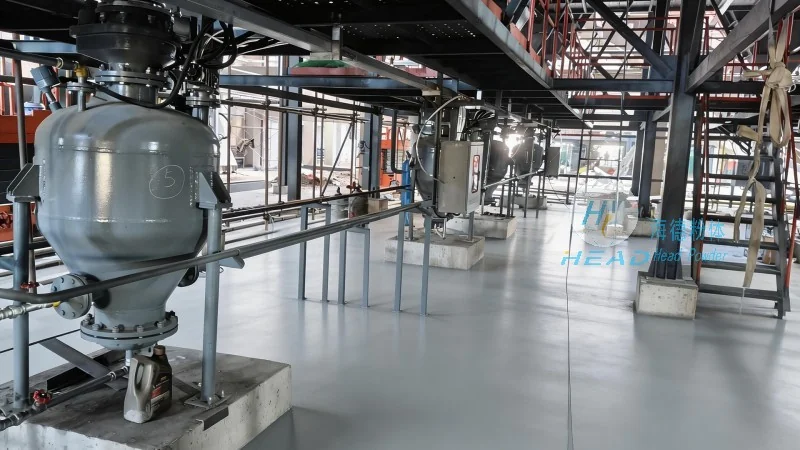
Technical Advantages and Benefits
Headpowder's polystyrene powder conveying system offers several technical advantages that enhance its performance and reliability. The system's modular design allows for easy installation and maintenance, reducing downtime and operational costs. The advanced control system provides real-time monitoring and data logging, enabling operators to optimize the process and troubleshoot issues quickly. Additionally, the system is designed to handle varying powder loads and flow rates, making it versatile for different production needs. These features contribute to improved productivity, reduced material waste, and enhanced overall operational efficiency.
Application and Industry Impact
The polystyrene powder conveying system is widely used in the plastics industry, where it plays a crucial role in the production of polystyrene products. By ensuring consistent and reliable powder transfer, the system helps manufacturers maintain high product quality and meet production targets. The system's adaptability to different production scales and environments makes it suitable for both small-scale and large-scale operations. As a result, it has become an indispensable part of modern industrial processes, contributing to the efficiency and competitiveness of companies in the sector.