

Operation Process and Working Principle of High-Pressure Material Handling
High-pressure material handling systems are critical in various industrial applications, ensuring efficient and safe transportation of bulk materials. Understanding the operation process and working principle is essential for optimizing performance and maintaining system reliability. This article, provided by Shandong HeadPowder Engineering Co., Ltd. (headpowder), offers a detailed overview of how high-pressure material handling systems function, covering key components, operational steps, and the underlying principles that drive their effectiveness.
Introduction to High-Pressure Material Handling
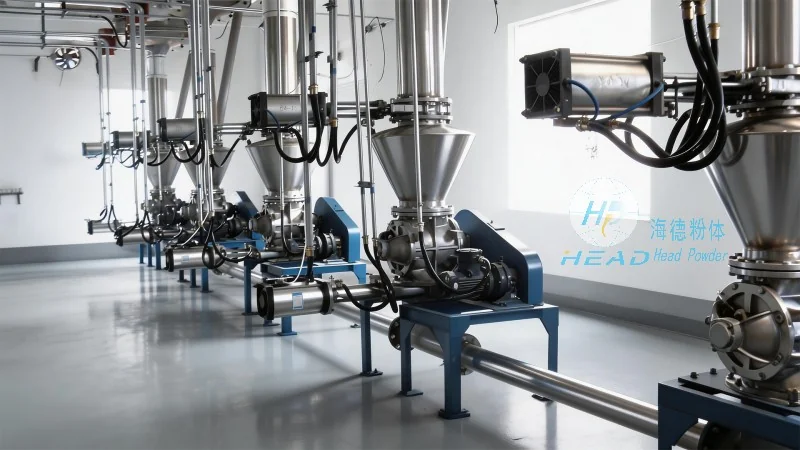
High-pressure material handling, often referred to as pneumatic conveying, utilizes compressed air or other gases to transport bulk materials through a network of pipes. This method is widely used in industries such as pharmaceuticals, food processing, chemicals, and mining due to its ability to handle a variety of materials, including powders, granules, and fine particles. The technology offers advantages like dust-free operation, reduced product contamination, and the capacity to transport materials over long distances with minimal energy consumption compared to traditional methods like belt conveyors or elevators.
Key Components of High-Pressure Material Handling Systems
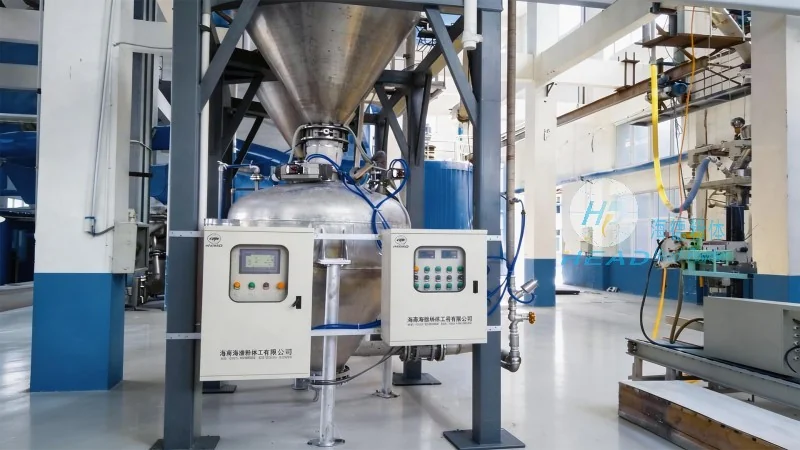
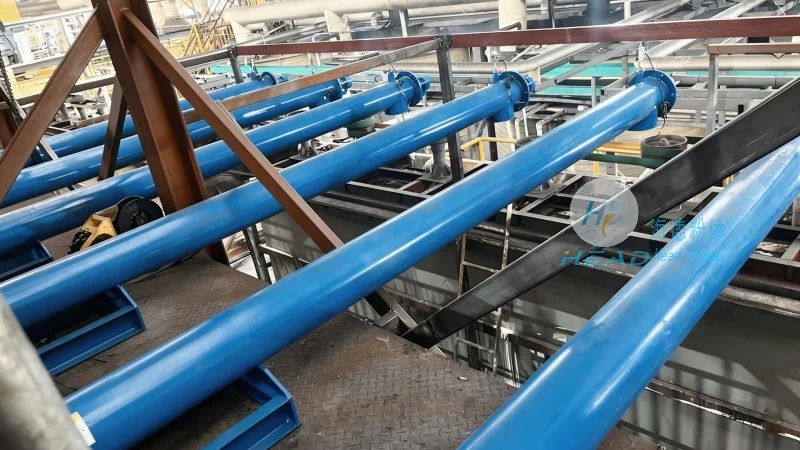
The core components of a high-pressure material handling system include the material feed device, the conveying line (pipes), the air compressor or pressure source, and the discharge equipment. Each component plays a vital role in the overall operation. The material feed device, such as a hopper or a rotary valve, ensures a consistent and controlled flow of material into the system. The conveying line, typically made of stainless steel or other corrosion-resistant materials, is designed to withstand high pressure and maintain material integrity. The air compressor provides the necessary pressure to move the material through the pipes, while the discharge equipment, like a rotary airlock or a valve, regulates the release of material at the destination.
Operation Process of High-Pressure Material Handling
The operation process of a high-pressure material handling system involves several sequential steps. First, the material is fed into the system from the source, usually a storage silo or a hopper. The feed device then controls the flow rate, ensuring a steady supply of material. Next, the compressed air is introduced into the conveying line, creating a high-pressure environment. As the air flows through the pipes, it entrains the material particles, forming a dense phase flow. This mixture travels through the system, overcoming any elevation changes or distance requirements. At the discharge point, the air and material are separated, with the material collected in a receiving container and the air either vented or recycled back to the system.
Working Principle: The Role of Air Pressure and Material Entrainment
The working principle of high-pressure material handling is based on the interaction between air pressure and the material being conveyed. The system operates under positive pressure, meaning the air pressure inside the pipes is higher than the ambient pressure. This pressure differential creates a force that propels the material forward. The entrainment of material particles by the air stream is a critical aspect; the air velocity must be sufficient to lift and transport the particles without causing excessive wear or degradation. The design of the system, including pipe diameter, bends, and fittings, is optimized to minimize pressure drop and maintain efficient material transport. The use of appropriate air flow rates and pressure levels ensures that the system operates within its design parameters, maximizing throughput and minimizing energy consumption.
Applications and Benefits in Industrial Settings
High-pressure material handling systems are employed in a wide range of industrial applications. In the pharmaceutical industry, they are used to transport active pharmaceutical ingredients (APIs) and excipients with strict purity requirements, as the system provides a dust-free environment and prevents cross-contamination. In food processing, the technology is utilized for handling powders like flour, sugar, and spices, ensuring product safety and quality. The chemical industry benefits from the ability to handle corrosive or hazardous materials, as the system can be customized with materials like stainless steel or special coatings to resist chemical exposure. Additionally, in mining and mineral processing, high-pressure conveying is used to transport ore and other bulk materials from processing plants to storage or further processing facilities. The benefits of these systems include improved safety, reduced labor costs, increased production efficiency, and enhanced product quality due to the controlled and clean conveying process.
Maintenance and Operational Considerations
Proper maintenance is crucial for the reliable operation of high-pressure material handling systems. Regular inspections of the conveying line for leaks or blockages, checking the air compressor for proper pressure and efficiency, and cleaning the feed and discharge equipment are essential tasks. The system should be designed with easy access points for maintenance, allowing for quick repairs and minimizing downtime. Operational considerations also include monitoring the pressure and flow rates to ensure the system is running within optimal parameters. Adjustments to the feed rate or air pressure may be necessary based on changes in material characteristics or system load. Proper training of operators on the system's operation and maintenance procedures is also vital to prevent accidents and ensure long-term system performance.
Conclusion
High-pressure material handling systems represent a sophisticated and efficient method for transporting bulk materials in various industrial sectors. By understanding the operation process and working principle, industries can leverage these systems to enhance productivity, improve safety, and maintain product quality. The technology's adaptability to different materials and applications, combined with its energy efficiency and minimal environmental impact, makes it a preferred choice for many industrial processes. As industrial demands continue to evolve, the continued development and optimization of high-pressure material handling systems will remain critical in meeting the needs of modern manufacturing and processing.