

Operation Process and Working Principle of Small Bag Quantitative Feeding Material Conveying
Small bag quantitative feeding systems are essential in industrial material handling, particularly for processes that require precise and efficient transfer of bulk materials from sealed bags. These systems are designed to automate the entire workflow from bag opening to material discharge, ensuring consistent and accurate feeding rates. The technology behind such systems integrates mechanical, electrical, and control components to achieve reliable performance in various production environments.
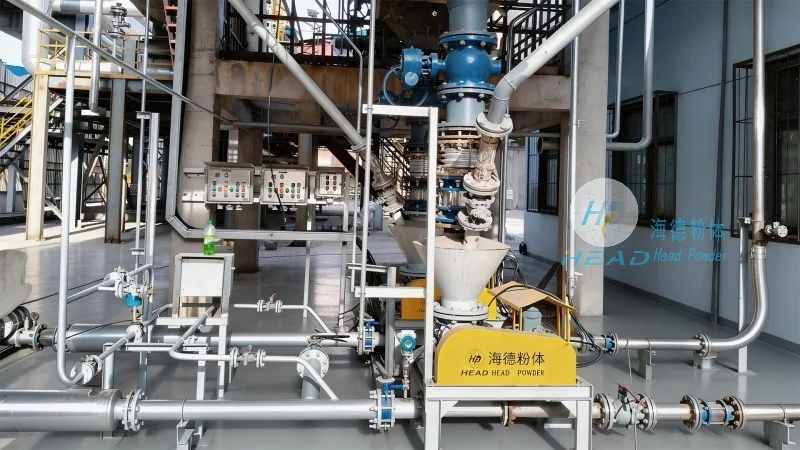
Company Introduction: Shandong HeadPowder Engineering Co., Ltd.
HeadPowder, as the company name suggests, specializes in engineering solutions for powder and bulk material handling. Based in Shandong, China, the company has established itself as a leader in providing advanced equipment for material feeding, conveying, and processing. With a focus on innovation and customer-centric design, HeadPowder delivers systems that meet the stringent requirements of modern industrial applications. The company's expertise lies in developing customized solutions that enhance operational efficiency and product quality.
Operation Process of Small Bag Quantitative Feeding
The operation of a small bag quantitative feeding system typically involves several sequential steps. Initially, the system prepares for material transfer by positioning the bag on a designated feeding platform. This platform may include mechanisms for aligning the bag and securing it in place to prevent movement during the process. Next, the system activates the bag opening mechanism, which could be a pneumatic or mechanical cutter that safely opens the bag without damaging the material inside. Once the bag is opened, the feeding hopper or chute is positioned to connect with the bag opening, allowing material to flow into the hopper.
Following the bag opening, the quantitative feeding process begins. The system uses a combination of sensors and control logic to measure and dispense the required amount of material. This may involve a gravimetric or volumetric feeder, which continuously monitors the material flow rate and adjusts the feeding speed to maintain the target quantity. The feeder is often integrated with a conveyor system that transports the material from the hopper to the downstream processing equipment. The entire operation is automated, with the system controlling each step to ensure precision and consistency. After the material is fully discharged from the bag, the system may perform a cleaning cycle to remove residual material from the hopper and chute, preparing the system for the next bag.
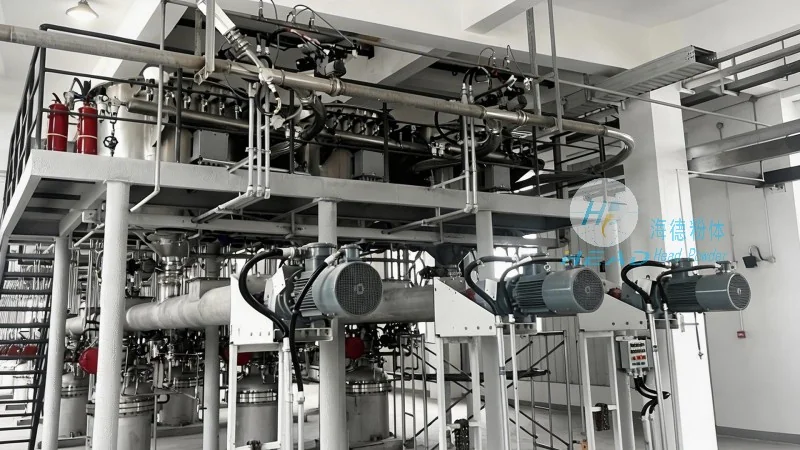
Working Principle of the System
The working principle of a small bag quantitative feeding system is based on precise control of material flow and measurement. At its core, the system utilizes sensors such as load cells or flow meters to detect the weight or volume of material being fed. These sensors provide real-time data to the control unit, which processes the information and adjusts the feeding mechanism accordingly. The control unit may be a programmable logic controller (PLC) or a more advanced digital control system, capable of executing complex algorithms to optimize feeding accuracy. The system also incorporates safety features, such as overload protection and emergency stop functions, to ensure operational safety and prevent equipment damage.
Key components of the system include the bag opening device, feeding hopper, conveyor, and control panel. The bag opening device is designed to handle various bag types and materials, ensuring reliable opening without compromising the integrity of the material. The feeding hopper is equipped with a discharge valve or gate that controls the flow of material into the conveyor. The conveyor system transports the material to the next stage of processing, such as mixing, packaging, or further conveying. The control panel provides operators with access to system settings, monitoring tools, and diagnostic information, enabling them to adjust parameters and troubleshoot issues as needed.
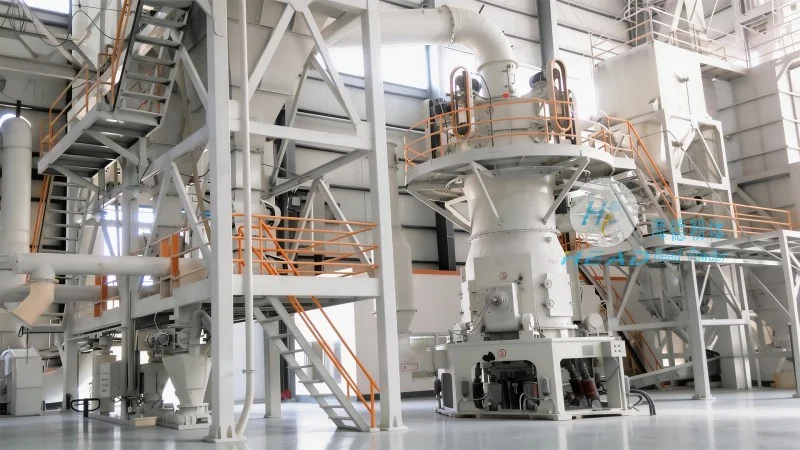
Advantages and Applications
Small bag quantitative feeding systems offer several advantages over manual or traditional feeding methods. The primary benefit is the high level of accuracy and consistency in material feeding, which is critical for applications where precise dosing is required, such as pharmaceutical manufacturing, food processing, and chemical production. The automated nature of the system reduces labor costs and minimizes human error, leading to improved productivity and product quality. Additionally, the system's compact design makes it suitable for integration into existing production lines, requiring minimal space and infrastructure modifications.
These systems are widely used in industries that handle bulk materials in small bags, including powders, granules, and other dry substances. Common applications include the pharmaceutical industry for drug formulation, the food industry for ingredient mixing, the chemical industry for reagent preparation, and the agricultural sector for fertilizer distribution. The adaptability of the system allows it to handle a variety of material types, from fine powders to coarse granules, making it a versatile solution for diverse industrial needs.
Conclusion
In summary, small bag quantitative feeding systems are sophisticated industrial equipment that streamline the process of material transfer from sealed bags. By combining advanced mechanical, electrical, and control technologies, these systems provide precise, efficient, and reliable feeding solutions. HeadPowder, with its expertise in engineering and manufacturing, offers high-quality systems that meet the demands of modern industries. The operation process, which includes bag opening, material measurement, and conveyor transport, is designed to ensure consistent performance. The working principle, based on real-time sensor feedback and automated control, guarantees accuracy and safety. As industries continue to seek more efficient and precise material handling solutions, small bag quantitative feeding systems remain a critical component of modern production workflows.