

Operation Process and Working Principle of Rice Husk Powder Material Handling System Equipment
Shandong HeadPowder Engineering Co., Ltd., a leading manufacturer based in Shandong, China, specializes in the design, development, and production of advanced material handling systems tailored for industrial applications. This article provides a detailed overview of the operation process and working principle of their rice husk powder material handling system equipment, highlighting key components, operational steps, and technical insights to enhance understanding of the system's functionality.
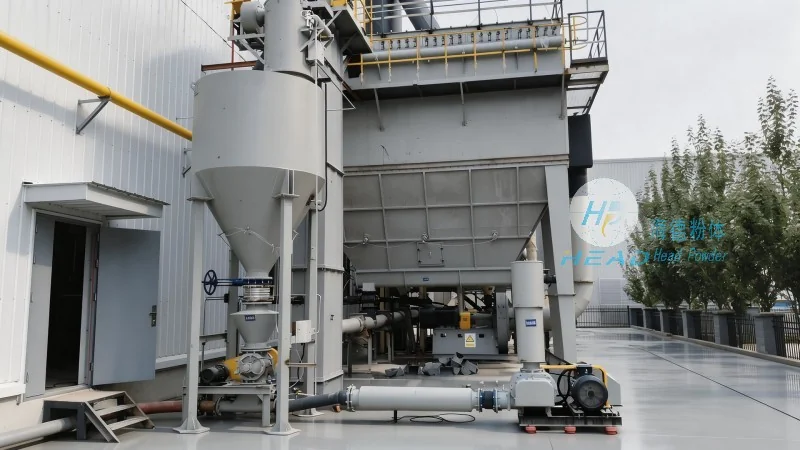
System Overview and Key Components
The rice husk powder material handling system is engineered to efficiently transport and process rice husk powder, a byproduct commonly used in biofuel, animal feed, and other industrial applications. The system typically comprises several critical components, including a hopper for material storage, a conveyor system for transport, a dust collection unit for air filtration, and a control panel for automated operation. Each component is designed to work in synergy to ensure smooth material flow and optimal performance.
Operation Process: Step-by-Step Guide
The operation of the rice husk powder material handling system follows a systematic sequence of steps, starting with material loading and ending with discharge. The process begins when rice husk powder is fed into the hopper, where it is stored until needed. A feeder mechanism then regulates the flow of material from the hopper into the conveyor system. The conveyor, equipped with appropriate belts or screws, transports the powder through the system, ensuring consistent and controlled movement. As the material moves, a dust collection system captures airborne particles, maintaining a clean and safe working environment. The control panel allows operators to monitor and adjust parameters such as conveyor speed, feed rate, and dust extraction efficiency, ensuring the system operates within optimal conditions.
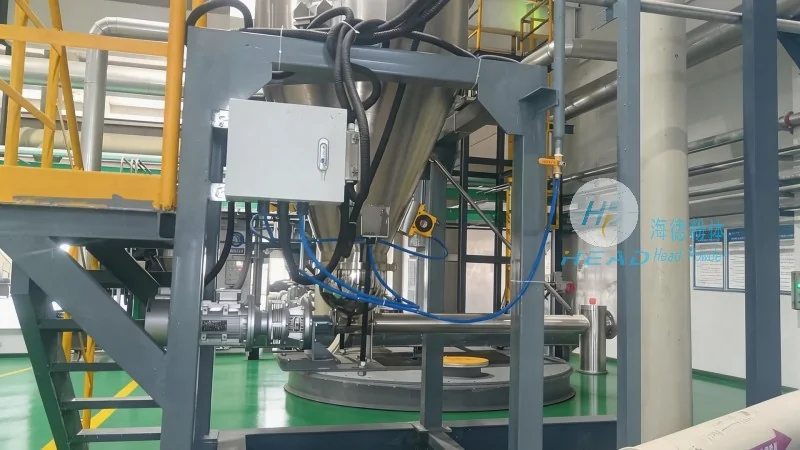
Working Principle: Mechanical and Control Integration
The working principle of the rice husk powder material handling system integrates mechanical engineering with advanced control technology. The system relies on gravity and mechanical force to move material through the conveyor. The hopper's design facilitates uniform material distribution, preventing blockages and ensuring steady flow. The feeder mechanism uses adjustable blades or screws to control the rate of material discharge, which is crucial for maintaining consistent conveyor speed. The dust collection unit operates on the principle of air filtration, using filters or cyclones to capture fine powder particles, reducing air pollution and protecting equipment from wear. The control panel, often equipped with sensors and programmable logic controllers (PLCs), monitors real-time data such as temperature, pressure, and material level, allowing for automated adjustments to maintain system efficiency and safety.
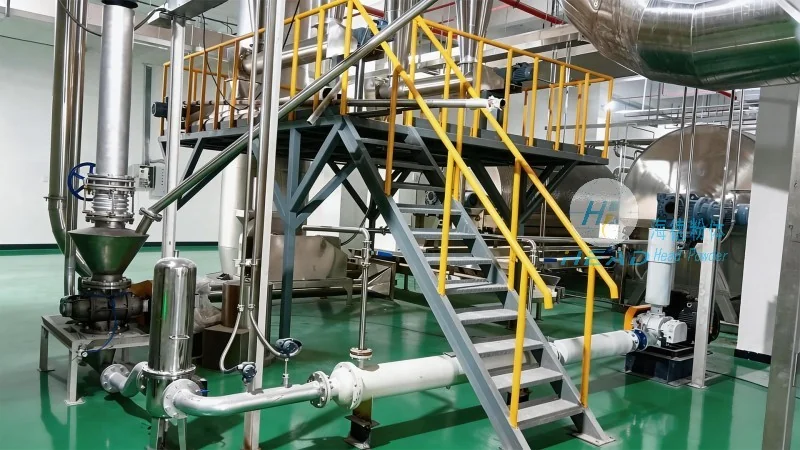
Technical Advantages and Applications
Shandong HeadPowder Engineering Co., Ltd.'s rice husk powder material handling system offers several technical advantages, including high efficiency, low maintenance costs, and environmental friendliness. The system's design minimizes material degradation and loss, ensuring maximum utilization of the rice husk powder. The dust collection system meets environmental regulations, making it suitable for industrial applications where air quality is a concern. The system is widely used in biofuel production facilities, where rice husk powder is processed into pellets or other energy products. Additionally, it is employed in animal feed manufacturing, where the powder is mixed with other ingredients to create high-quality feed. The system's adaptability allows it to handle varying material characteristics, such as moisture content and particle size, making it a versatile solution for different industrial needs.
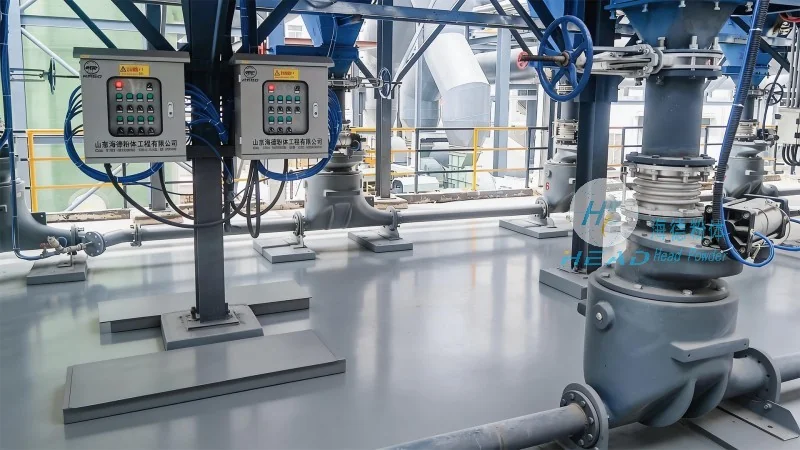
Maintenance and Safety Considerations
To ensure the long-term performance and safety of the rice husk powder material handling system, regular maintenance and adherence to safety protocols are essential. Routine checks should include inspecting conveyor belts for wear and tear, cleaning the hopper and feeder to prevent material buildup, and testing the dust collection system to ensure proper filtration. Operators should follow safety guidelines, such as wearing protective equipment and avoiding direct contact with moving parts. The control panel should be checked regularly to ensure all sensors and controls are functioning correctly. By following these maintenance and safety measures, the system can operate reliably and efficiently, minimizing downtime and maximizing productivity.
Conclusion
Shandong HeadPowder Engineering Co., Ltd.'s rice husk powder material handling system equipment exemplifies advanced engineering and practical application in material handling. Through its systematic operation process and integrated working principle, the system efficiently transports and processes rice husk powder, meeting the demands of various industrial applications. With its technical advantages and commitment to safety and efficiency, this system is a valuable asset for industries relying on rice husk powder as a key raw material. The company's expertise in designing and manufacturing such systems ensures that clients receive high-quality equipment tailored to their specific needs, supporting their operational goals and environmental responsibilities.