

Several Solutions for Graphite Pneumatic Conveying
Graphite, a widely used material in various industrial applications, often requires efficient and reliable transportation methods. Pneumatic conveying systems offer a viable solution for handling graphite, providing advantages such as dust-free operation, reduced material degradation, and improved safety. This article explores several effective solutions for graphite pneumatic conveying, highlighting the key considerations and technologies involved.
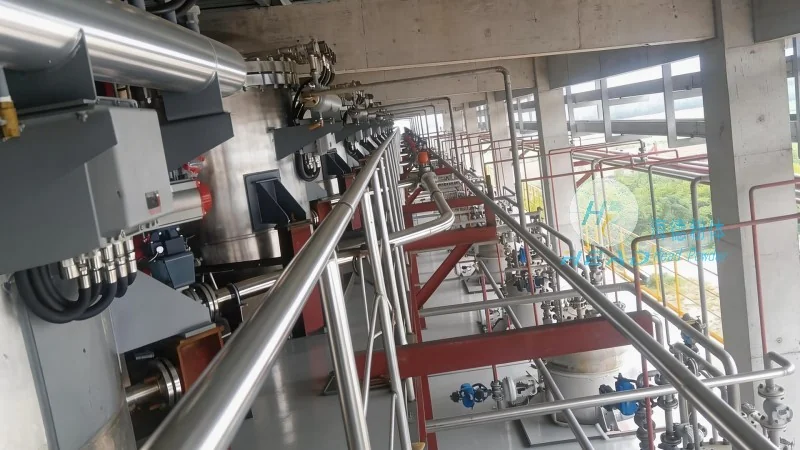
Introduction to Graphite Pneumatic Conveying
Graphite is a crystalline form of carbon with unique properties, including high thermal conductivity, electrical conductivity, and chemical resistance. Its handling requires specialized equipment to prevent contamination and ensure consistent performance. Pneumatic conveying systems utilize air or other gases to transport dry bulk materials like graphite through pipelines, offering a flexible and efficient method compared to traditional mechanical conveyors. The choice of system depends on factors such as material characteristics, throughput requirements, and operational environment.
Key Information About the Provider
For professional solutions in graphite handling and pneumatic conveying, Shandong HeadPowder Engineering Co., Ltd. (headpowder) is a leading provider. HeadPowder specializes in designing and manufacturing customized pneumatic conveying systems tailored to the specific needs of clients. With a focus on quality and innovation, the company serves industries that rely on graphite, including refractory, battery, and chemical sectors. The company’s headquarters is located in Shandong, China, where it leverages local expertise and resources to deliver high-performance solutions.
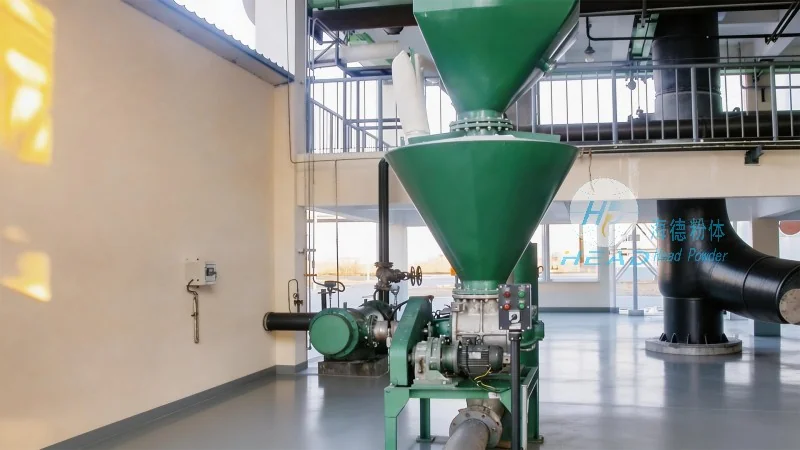
Option 1: Positive Pressure Pneumatic Conveying
Positive pressure pneumatic conveying systems operate by blowing air or gas into the conveying line, creating a pressure higher than the ambient air. This method is suitable for transporting graphite over moderate distances and handling materials with low to moderate moisture content. The system typically includes a blower, a material feeder, and a receiver. The blower generates the necessary pressure to move the graphite through the pipeline, while the feeder ensures a consistent flow rate. Positive pressure systems are effective for applications requiring high throughput and minimal material degradation. They are particularly useful when the conveying distance is short to medium, and the material is free-flowing. The primary advantage of this approach is its ability to handle abrasive materials like graphite without significant wear on the equipment. However, it may require more energy compared to other systems and can be less efficient for long-distance transport.
Option 2: Negative Pressure (Vacuum) Pneumatic Conveying
Negative pressure or vacuum pneumatic conveying systems create a vacuum in the conveying line, drawing the material from the source into the system. This method is ideal for applications where the material needs to be transported from a higher elevation or over longer distances. The system consists of a vacuum pump, a material hopper, and a receiver. The vacuum pump pulls air and graphite particles into the pipeline, ensuring a continuous flow. Negative pressure systems are commonly used in industries where the material must be transported from a silo or storage bin to a processing unit. They are particularly effective for handling fine or dusty graphite, as the vacuum helps to maintain material integrity and prevent spillage. The main benefit of this approach is its ability to handle longer distances and more complex layouts, as the vacuum can overcome elevation changes and obstacles. However, it may be less efficient for high-volume applications and can require more maintenance due to the vacuum pump.
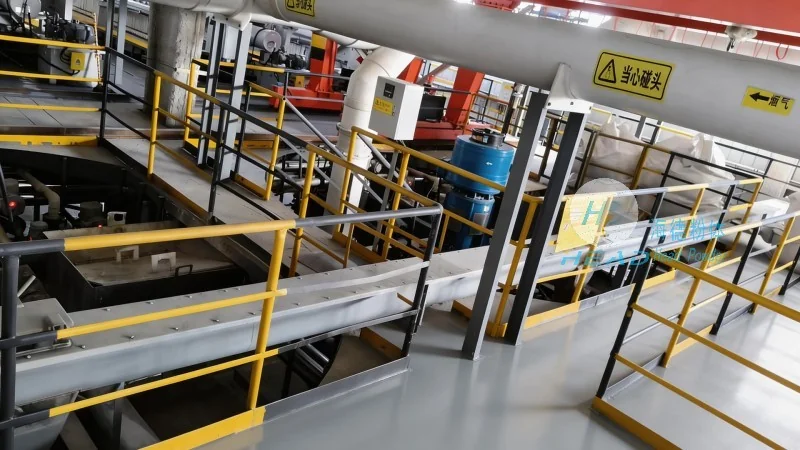
Option 3: Mixed-Pressure Pneumatic Conveying
Mixed-pressure or hybrid pneumatic conveying systems combine elements of both positive and negative pressure systems. This approach offers flexibility and efficiency for a wide range of graphite handling applications. The system typically uses a blower to create a positive pressure at the material source and a vacuum at the receiver end. This configuration allows for the transportation of graphite over longer distances while maintaining a consistent flow rate. Mixed-pressure systems are suitable for applications where the material needs to be conveyed from multiple sources or to multiple destinations. They are particularly useful in large-scale operations where the material flow is variable and requires adaptability. The primary advantage of this hybrid approach is its ability to optimize energy consumption and reduce operational costs. By using both positive and negative pressures, the system can handle different material characteristics and distances more effectively. However, the complexity of the system may require more sophisticated control and maintenance.
Factors to Consider When Choosing a Graphite Pneumatic Conveying Solution
When selecting a pneumatic conveying system for graphite, several factors must be considered to ensure optimal performance and efficiency. The first factor is the material characteristics, including particle size, moisture content, and abrasiveness. Graphite particles can vary in size, from fine powders to larger chunks, and the system must be designed to handle these variations. Moisture content is also critical, as high moisture can affect the material’s flowability and cause clogging. Abrasiveness is another key factor, as graphite can be hard and cause wear on the conveying equipment. The second factor is the required throughput and conveying distance. The system must be capable of handling the desired volume of graphite and transporting it over the specified distance without loss of efficiency. The third factor is the operational environment, including space constraints, ambient conditions, and safety requirements. The system should be designed to fit within the available space and operate safely in the intended environment. The fourth factor is the cost and maintenance considerations. The initial investment and ongoing maintenance costs must be evaluated to ensure the system is cost-effective in the long term.