

Design Considerations for Iron Sand Pneumatic Conveying System Solutions
When designing a pneumatic conveying system for iron sand, several critical factors must be considered to ensure efficient, reliable operation and optimal performance. The following key design considerations are essential for developing a successful system solution.
System Selection and Configuration
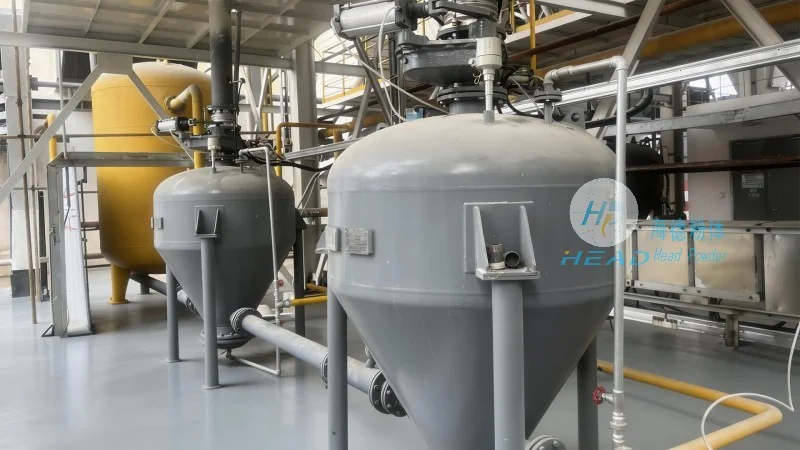
Choosing the appropriate pneumatic conveying system type is the first step in the design process. For iron sand, which typically has a high density and abrasive properties, a positive pressure system or a combination of positive and negative pressure is often recommended. Positive pressure systems, such as pressure vessels or rotary airlocks, are ideal for handling abrasive materials like iron sand, as they can maintain consistent flow rates and reduce wear on components. The selection of the system configuration—whether it's a dilute phase, dense phase, or a hybrid system—depends on the specific material characteristics, distance of transport, and required throughput. For example, dilute phase systems are suitable for short to medium distances and lower material loads, while dense phase systems are better for longer distances or more sensitive materials. In the case of iron sand, a dense phase system may be preferred to minimize material degradation and ensure smooth transport.
Equipment Selection and Sizing
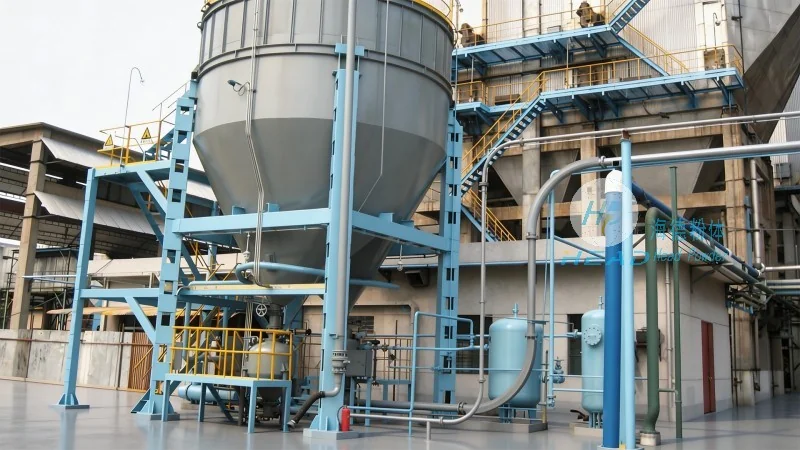
Proper equipment selection is crucial for the longevity and efficiency of the iron sand pneumatic conveying system. Key components include the air compressor, material feeders, conveying lines, and separation equipment. The air compressor must be sized to provide sufficient pressure and airflow to handle the material's density and flow characteristics. For iron sand, which can be abrasive, high-quality, wear-resistant materials are essential for components like the compressor housing, air filters, and piping. The material feeder, such as a rotary airlock or a star feeder, must be selected to maintain a consistent feed rate, preventing surges or blockages that could damage the system. The conveying line diameter and length are critical parameters that affect pressure drop and energy consumption. Proper sizing ensures that the system operates within optimal pressure and flow ranges, minimizing energy waste and reducing wear on the line. Additionally, the separation equipment, such as cyclones or bag filters, must be designed to handle the iron sand's particle size and density, ensuring efficient separation of the material from the air stream.
Design for Abrasion Resistance
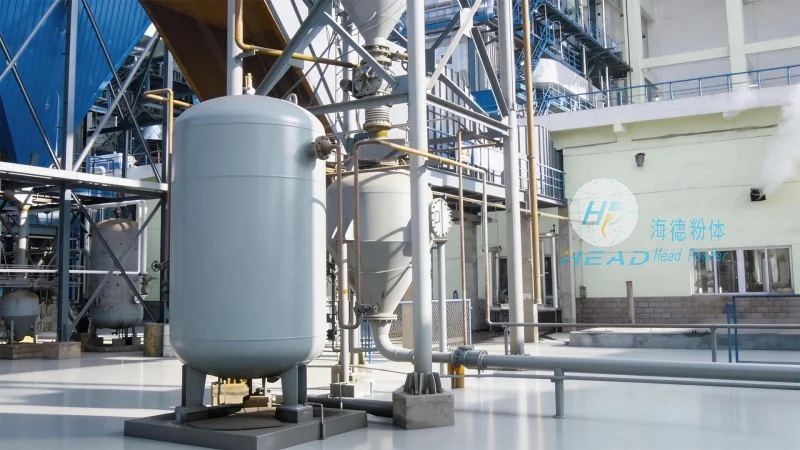
Iron sand is known for its abrasive nature, which can cause significant wear on system components over time. Designing the system with abrasion-resistant materials is a critical consideration. Components such as the air compressor's internal parts, the conveying line, and the material feeders should be made from materials like stainless steel, high-chrome alloy, or wear-resistant alloys. The use of liners or coatings on components can further enhance their durability. The system's layout should also minimize sharp turns or sudden changes in direction, as these can increase wear on the conveying line and other parts. Proper maintenance, including regular inspection and replacement of worn parts, is essential to maintain the system's performance and extend its lifespan.
System Integration and Control
Integrating the pneumatic conveying system with other processes and implementing effective control systems is vital for smooth operation. The system should be designed to interface with existing material handling equipment, such as storage silos or processing units, to ensure seamless material flow. Control systems, including pressure sensors, flow meters, and automated valves, should be incorporated to monitor and regulate the system's performance in real-time. This allows for adjustments to be made based on changes in material feed rate or system pressure, preventing issues like overloading or underflow. The control system should also include safety features, such as pressure relief valves and emergency shut-off mechanisms, to protect the system and personnel from potential hazards. Proper integration and control not only improve operational efficiency but also enhance safety and reduce downtime.
Installation and Maintenance Considerations
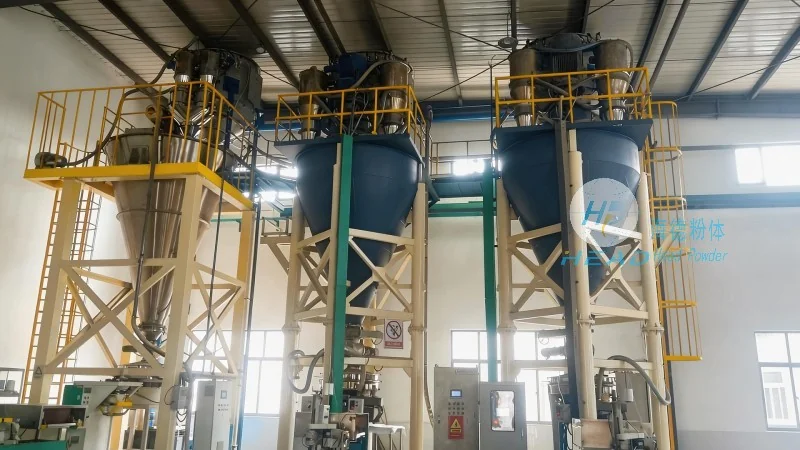
Proper installation and regular maintenance are essential for the long-term performance of the iron sand pneumatic conveying system. During installation, all components should be properly aligned and secured to prevent vibrations or misalignment that could lead to wear or failure. The system should be installed with adequate space for maintenance access, allowing for easy inspection and replacement of parts. Regular maintenance tasks include cleaning air filters, checking for wear on components, and verifying the system's performance parameters. It is recommended to follow the manufacturer's guidelines for maintenance schedules and procedures to ensure optimal system operation. By implementing a comprehensive maintenance plan, the system's reliability and lifespan can be significantly extended, reducing the need for costly repairs or replacements.