

Design Considerations for Slurry Pneumatic Conveying System Solutions
Slurry pneumatic conveying systems are critical in industrial applications where the efficient and reliable transport of slurries is essential. The design of such systems requires careful consideration of multiple factors to ensure optimal performance, safety, and longevity. This article outlines key design considerations for slurry pneumatic conveying systems, presented by Shandong HeadPowder Engineering Co., Ltd., a leading provider in the field.
Understanding the Core Principles of Slurry Pneumatic Conveying
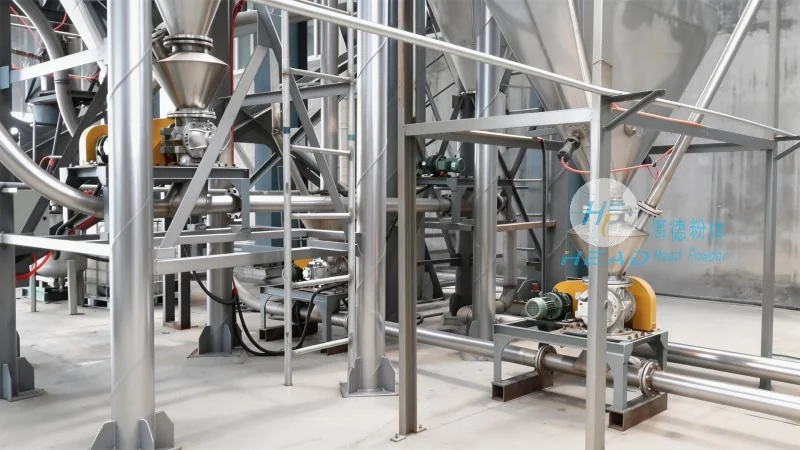
At the heart of slurry pneumatic conveying is the principle of using air or gas to transport particulate materials suspended in a liquid medium. This method offers advantages over traditional mechanical conveying, such as reduced wear on equipment, lower maintenance costs, and the ability to handle abrasive or corrosive materials. However, the complexity of slurry properties—like density, viscosity, particle size distribution, and moisture content—requires a tailored approach to system design. Shandong HeadPowder Engineering Co., Ltd. emphasizes the importance of analyzing these properties early in the design process to avoid operational issues down the line.
Key Design Considerations for System Performance
Several critical factors must be addressed during the design phase to ensure the slurry pneumatic conveying system operates efficiently. First, the selection of the appropriate conveying medium—air or gas—depends on the slurry characteristics and the required transport distance. For example, high-pressure air systems are often used for long-distance transport of dense slurries, while low-pressure systems may suffice for shorter distances with less viscous slurries. The choice of air compressor or blower is also crucial, as it directly impacts energy consumption and system reliability. HeadPowder engineers recommend evaluating the specific power requirements based on the system's capacity and the slurry's physical properties.
Second, the design of the conveying line itself is paramount. The diameter and length of the pipeline, along with the type of fittings and elbows, affect pressure drop and flow rate. Proper sizing of the pipeline ensures that the air velocity remains within the optimal range to prevent particle settling or blockages. Additionally, the use of smooth, corrosion-resistant materials for the pipeline—such as stainless steel or specialized plastics—helps maintain system integrity over time. Shandong HeadPowder Engineering Co., Ltd. advises conducting pressure drop calculations using established formulas (e.g., the Ergun equation) to determine the necessary air volume and pressure.
Material Handling and Equipment Selection
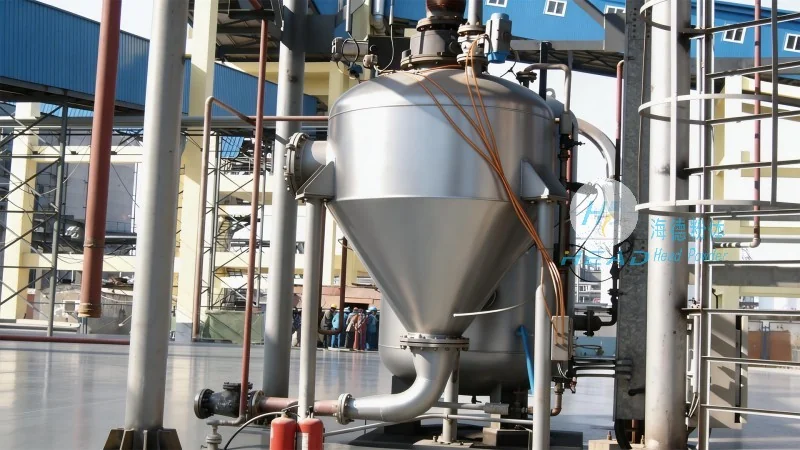
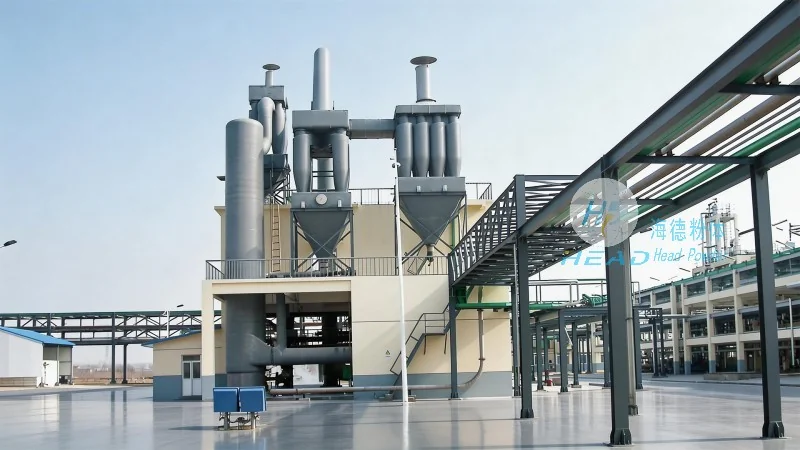
The selection of equipment for slurry pneumatic conveying, including feeders, cyclones, and separation units, is another critical design consideration. Feeders must be capable of maintaining a consistent flow rate to avoid surges or fluctuations in the system. For slurries with varying viscosities, variable-speed feeders or pump-fed systems may be necessary to ensure stable operation. Cyclones and separation units are essential for removing air from the slurry stream and separating the solid particles from the liquid. The design of these units must account for the slurry's density and particle size to achieve efficient separation without excessive pressure loss.
Furthermore, the choice of air filters and moisture separators is vital to protect downstream equipment from contamination. High-quality filters can prevent particulate matter from entering the compressor or other sensitive components, extending their lifespan. Moisture separators are particularly important in systems handling wet slurries, as excess moisture can lead to corrosion or reduced conveying efficiency. HeadPowder's expertise lies in integrating these components seamlessly into the overall system design, ensuring optimal performance and minimal downtime.
System Integration and Control
Effective control of the slurry pneumatic conveying system is essential for maintaining consistent operation and preventing damage to equipment. Automated control systems, including pressure sensors, flow meters, and variable frequency drives (VFDs), allow for real-time monitoring and adjustment of system parameters. These controls help maintain the optimal air-to-slurry ratio, preventing over or under-conveying. Additionally, the integration of safety features—such as pressure relief valves and emergency shut-off systems—is critical to ensure operator safety and system protection. Shandong HeadPowder Engineering Co., Ltd. specializes in designing integrated control systems that balance efficiency with safety, adhering to industry standards and regulations.
Maintenance and Longevity
Proper maintenance is key to extending the lifespan of a slurry pneumatic conveying system and minimizing operational costs. Regular inspection of components, such as pipelines, filters, and cyclones, is necessary to detect and address issues before they escalate. HeadPowder recommends establishing a preventive maintenance schedule that includes cleaning filters, checking for leaks, and inspecting for wear and tear. The use of high-quality, corrosion-resistant materials and components also contributes to the system's longevity. By following these maintenance practices, users can ensure the system operates at peak efficiency for years to come.
Conclusion
Designing a slurry pneumatic conveying system requires a comprehensive approach that considers the unique properties of the slurry, the operational requirements, and the long-term goals of the user. Shandong HeadPowder Engineering Co., Ltd. brings decades of experience to the table, providing tailored solutions that address the specific needs of each project. By focusing on key design considerations—from material selection to system control—companies can achieve efficient, reliable, and cost-effective slurry transport. Whether for industrial, mining, or wastewater applications, the expertise of HeadPowder ensures that slurry pneumatic conveying systems are designed to meet the highest standards of performance and durability.